










Why January Works for a Honeymoon
Think of January as the start of the great winter escape season. For couples in the US, it pairs short-haul sunshine (Mexico, Costa Rica and the Caribbean are all in prime dry-season form) with big long-haul trips that simply peak at this time of year. The Maldives are typically at their calmest and clearest and the southern Serengeti fills with wildebeest preparing to give birth. Thailand's Andaman coast is reliably sunny.
The first week of January still carries holiday pricing and minimum stays at many resorts, so the sweet spot usually begins around the second week. After that, the month settles into a steady rhythm: high demand, but fewer families than at Christmas or spring break, which means pools and beaches often feel more grown-up. If your wedding was in December, a mid-January departure gives you enough breathing room to plan without paying the year's highest rates.
Our Top Picks for January
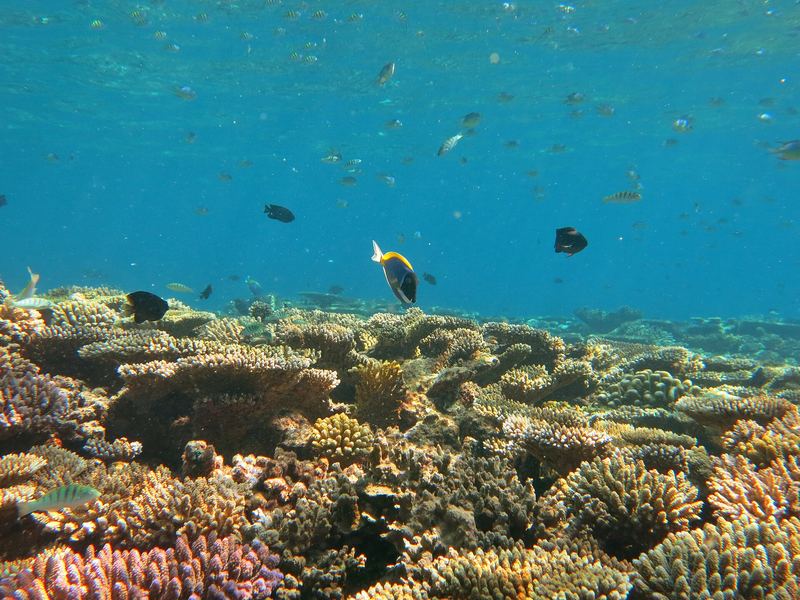
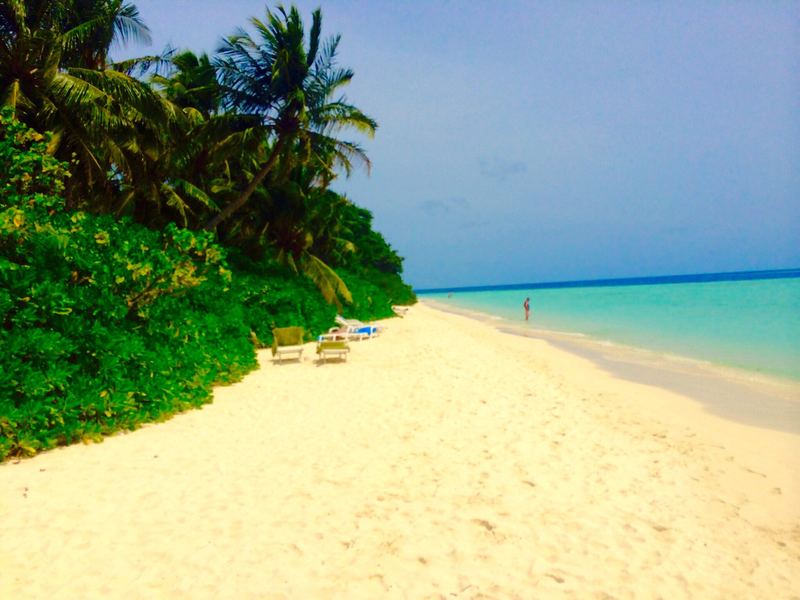
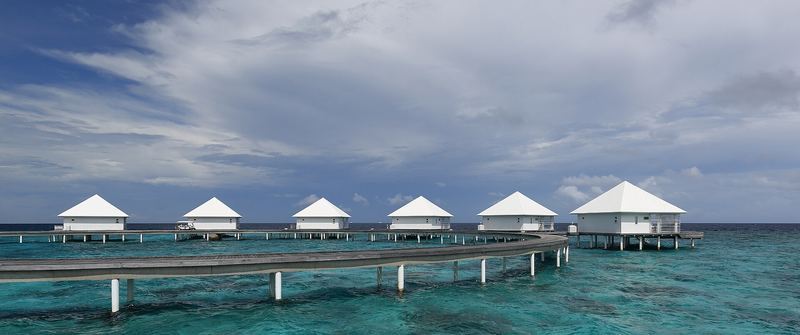
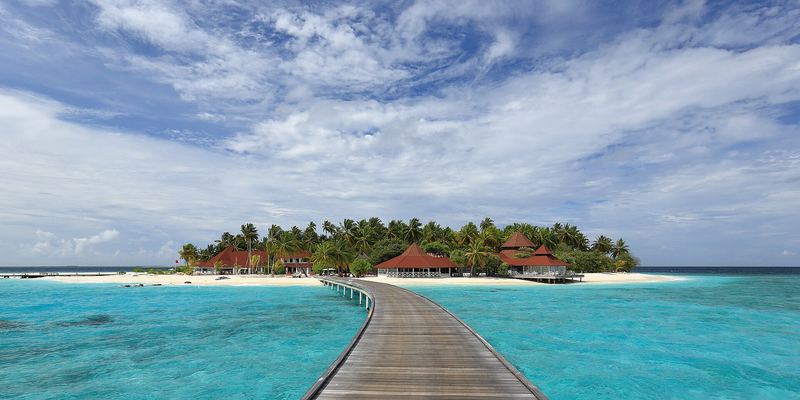
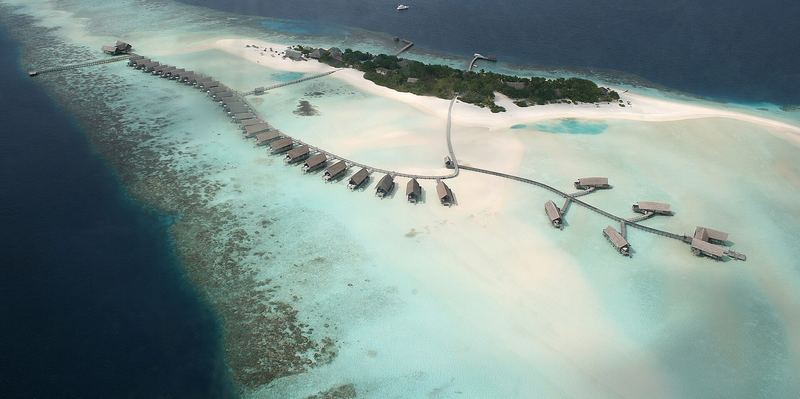
South Malé Atoll is our first call for a January lagoon honeymoon. The dry season usually brings calm channels and excellent visibility. The speedboat transfer from the airport means no seaplane schedules to juggle. COMO Cocoa Island is intimate and calm, while Waldorf Astoria Maldives Ithaafushi delivers big, glamorous villas and a private-island option for couples who want to splurge.
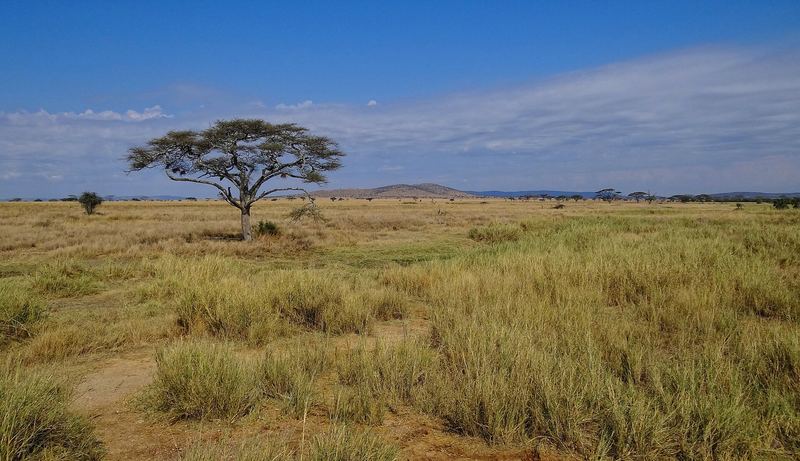
The Serengeti is extraordinary right now. Roughly from January to March, the migrating herds gather on the southern short-grass plains. Calving season brings newborns and very active predators. Pair a safari with a few nights on Zanzibar, which is hot, sunny and generally dry in January. &Beyond Mnemba Island, a tiny private isle with its own reef, makes a fine all-inclusive finale.
Punta Mita is our favorite short-flight pick. Whale season in Banderas Bay runs roughly December through March. Four Seasons Resort Punta Mita sits right where the bay meets the Pacific. For something wilder, Imanta Punta de Mita hides its stone casas in a private jungle reserve.
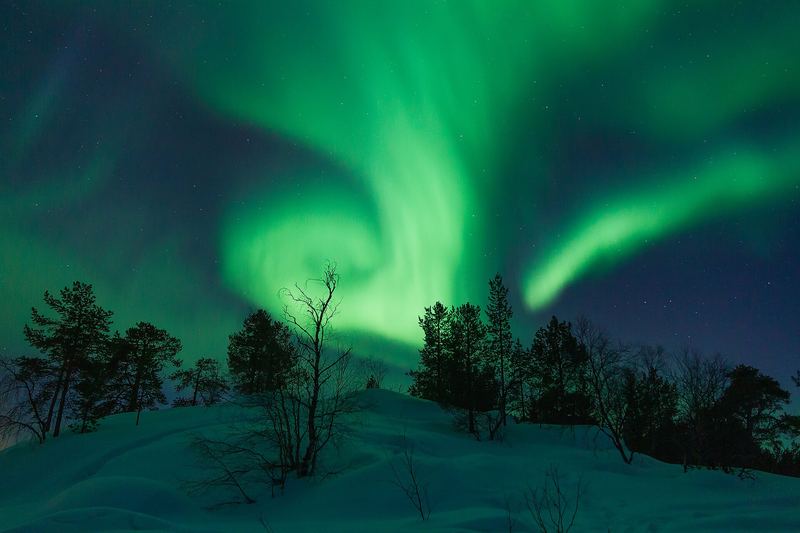
If you want snow and northern lights instead of sand, the Reykjanes Peninsula is easy to reach on a direct flight to Iceland and puts you minutes from the airport. The Retreat at Blue Lagoon lets you soak in silica-blue water as darkness falls, with aurora chances on clear nights.
The Cape Winelands are in full summer. Babylonstoren, a historic wine farm with a celebrated garden, is ideal for long lunches and cycling between vineyards. Cape Town is only about 45 minutes away.
Krabi & Railay is classic January Thailand: dry, sunny and calm for long-tail boat trips, with Rayavadee tucked among limestone cliffs. Guanacaste, on Costa Rica's dry Pacific side, delivers near-constant sunshine at Four Seasons Resort Costa Rica at Peninsula Papagayo. And Parrot Cay in Turks & Caicos, home to COMO Parrot Cay, is a private-island escape only a few hours from the East Coast, with humpback whales typically passing through the islands from about January.
Weather & Crowds
In the tropics north of the equator, January is dry season almost everywhere we cover: Mexico, Central America, the Caribbean and Thailand typically see lots of sunshine, low humidity and cooling trade winds. Daytime highs usually sit in the low to mid 80s Fahrenheit, though evenings in Cayo District or northern Thailand can feel cool. The Maldives are hot, sunny and calm.
Southern Africa is in summer, which means warm to hot days in the Winelands and green, lush bush on safari. In the Arctic, expect short days, deep cold and, in Iceland, changeable weather that can close roads; Reykjanes is milder than inland Iceland but windy.
Crowds are high at beach resorts all month, but they thin noticeably after New Year's. Popular Maldives and Caribbean properties fill early, so January is not a month for last-minute bargains.
Where to Avoid (or Go Anyway)
French Polynesia and Fiji are in their warm, wet season, which also falls within the South Pacific cyclone season. Rain often comes in short bursts and rates can be gentler, so Bora Bora, Moorea and The Brando on Tetiaroa can still work, especially if you build in flexibility and buy travel insurance. Turtle nesting on Tetiaroa, roughly September to March, is a lovely bonus.
The Mediterranean is largely closed. Most of the famous hotels in Santorini, Mykonos, on the Amalfi Coast and on Lake Como shut for winter, so save Italy and Greece for spring.
Bali, including Ubud, Uluwatu and nearby Sumba, is in its wettest period, with January often the rainiest month in Ubud. The landscape is gorgeous and prices soften, but expect daily downpours.
On the West Coast, Big Sur, the Pacific Northwest and Vancouver Island are moody and wet. That can be a feature, not a bug: storm-watching from the Wickaninnish Inn in Tofino is one of the coziest winter honeymoons we know. Newfoundland, however, is firmly closed for the season.
Festivals & Seasonal Moments
- Calving season in the southern Serengeti typically begins in late January and builds into February, one of nature's most remarkable spectacles.
- Humpback whale season is underway in Banderas Bay, Los Cabos and Hawaii, with sightings in Maui typically peaking from January through March.
- Northern lights season is in full swing across Iceland, Lapland and Alaska, with long nights maximizing your viewing window.
- In Napa Valley, wild mustard typically starts blooming between dormant vines from January into March.
- Lunar New Year sometimes falls in late January, bringing lanterns and celebrations to Thailand's Chinese communities, including Phuket's Old Town; check the calendar for your year.
Booking Tips
Book January honeymoons early. Six to nine months ahead is sensible for the Maldives, private Caribbean islands and Serengeti lodges during calving season, which have limited rooms and loyal repeat guests.
Avoid the first few days of the month if you can. Holiday minimum stays and festive dinner supplements often run until around January 5 or 6. Airports are packed with returning travelers.
If you are combining safari and beach, ask your planner to sequence them so you finish on the beach. Flying from Zanzibar or the Seychelles home after a week of island time is a gentler landing than a red-eye from a bush airstrip.
Finally, consider travel insurance, especially if you are hedging with a South Pacific trip in cyclone season. Read the policy terms carefully to see what is covered for weather disruptions.