Why Honeymoon in Nyerere National Park
Few parks let you do so many different things. Boat safaris on the Rufiji and its lakes are the signature and seeing elephants swim or a lion drinking from a boat at eye level is a different thrill from a vehicle sighting. Walking safaris with an armed ranger are permitted and so is fly camping, which gives you a night in a small bush camp under the stars.
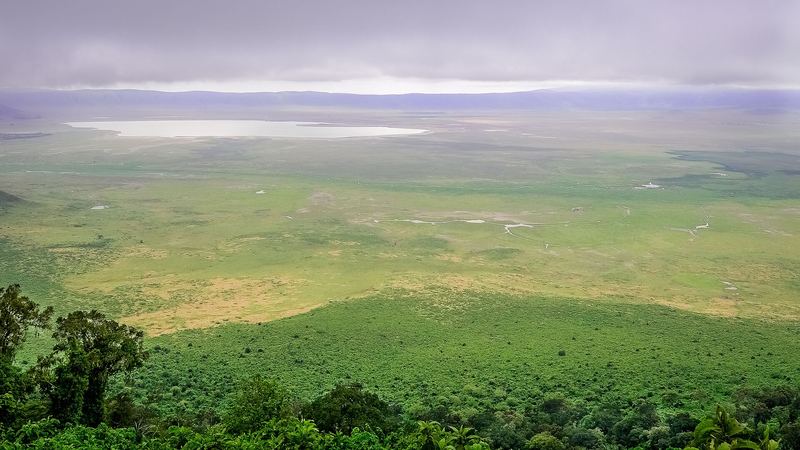
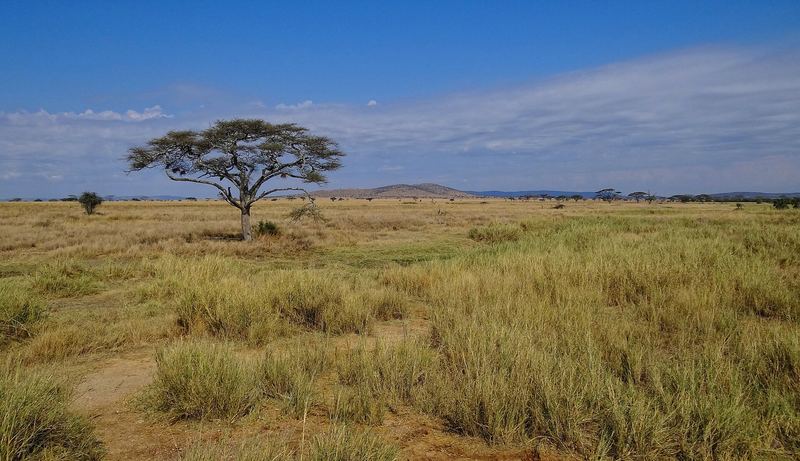
The park is known for one of Africa's largest populations of African wild dogs. Lions, leopards, buffalo, giraffes and big herds of elephants are also here, along with rich birdlife on the lakes. The landscape mixes palm-fringed lakes, sand rivers, miombo woodland and open floodplains.
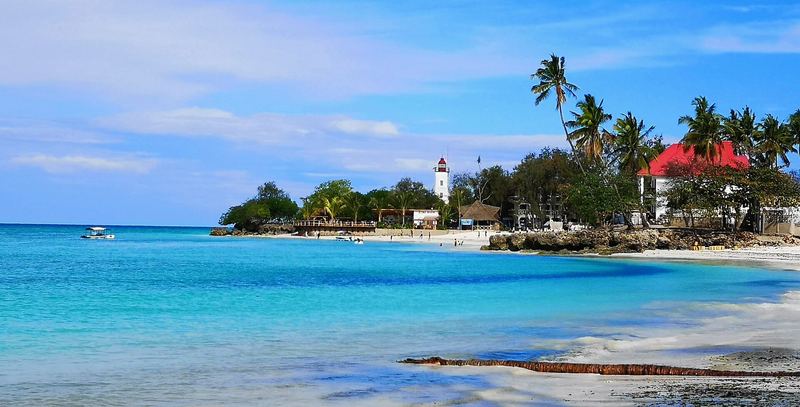
Only a small part of the park is used for photographic safaris and camps are small and spaced out. Pair three nights here with four or five on Zanzibar, Pemba or Mafia for a short-transfer safari and beach honeymoon.
When to Go
June to October is the dry season and the best time for game viewing. Water retreats to the river and lakes, animals concentrate along the shores and the bush thins. Days are hot by late season and the humidity is lower than on the coast.
November and December bring the short rains, green growth and baby animals, with lower rates. January and February are hot and humid but often workable, with good birding.
March to May is the long rainy season. Many camps close around April and May because roads flood and the bush grows dense. If you want boat safaris at their best with the most wildlife on the banks, aim for July to October. That window also matches the dry, calmer season on Zanzibar, so the whole trip lines up.
Where to Stay
Camps are concentrated around the Rufiji lakes and riverbanks.
Sand Rivers Selous sits on a bend of the Rufiji with stone and thatch rooms open to the river and it is known for its walking and fly camping. Roho ya Selous, run by Asilia, has tents above Lake Nzerakera and works well for couples who like modern design. Siwandu stands on the shores of Lake Nzerakera with spacious tents and a pool. Beho Beho, in the hills away from the river, offers stone cottages with views over the plains and a strong walking program.
In the dry season, expect roughly $800 to $2,000 per night for two at a high-end camp, usually with meals, drinks and activities included (approximate). Park fees may be extra. Green season rates are lower. Ask about honeymoon touches such as a private dinner on a sandbank or a private boat for sunset.
Romantic Things to Do
Take a sunset boat trip. Small aluminum boats glide past hippo pods and crocodiles, with elephants and giraffes on the banks and fish eagles calling. Many camps serve drinks on a sandbank as the sun goes down.
Walk the floodplains with an armed ranger and guide. You will learn tracks, plants and the small creatures you never notice from a vehicle. A morning walk followed by a bush breakfast is a highlight.
Spend a night fly camping. A simple dome tent with a mattress, a campfire dinner and a sky full of stars, with lions roaring somewhere out there, is the night many couples talk about afterward.
Join a game drive to search for wild dogs. The park has a strong population, though sightings depend on luck and denning patterns. In the hot middle of the day, relax by the pool or in your tent overlooking the water.
Getting There and Around
There are no nonstop flights from the US to Tanzania. Most couples connect via Amsterdam, Doha, Dubai, Istanbul or Addis Ababa into Dar es Salaam (DAR) or Zanzibar (ZNZ).
From either, daily scheduled light aircraft reach the park in under an hour, landing at airstrips such as Mtemere, Matambwe, Kiba, Beho Beho or Siwandu depending on your camp. This short hop is the main reason Nyerere pairs so well with Zanzibar. Flights also connect to Ruaha and Mafia Island.
By road, the park is roughly 200 km from Dar es Salaam, about six hours with the last stretch on bumpy gravel. Most honeymooners fly. Within the park, camps run all activities in their own vehicles and boats. Light aircraft have strict luggage limits, usually around 15 to 20 kg each in soft bags, so pack light.
Food and Drink
Meals are part of the package and are often served in memorable settings: breakfast on a riverbank after a boat trip, lunch in camp overlooking the lake, dinner by lantern. Expect fresh breads, grilled fish and meats, salads and Tanzanian flavors such as coconut curries and pilau rice.
Tanzanian coffee and tea are good, local beers include Safari and Kilimanjaro and South African wines are standard. Some camps make a point of sourcing from local farms and fishing communities nearby.
Tell your camp about dietary needs when you book, since supplies come by small plane or a long road. Drinking water is filtered or bottled. If you want a private dinner on a sandbank or deck, mention it at booking; camps are good at making it happen.
Honeymoon Tips
- Read the State Department's Tanzania advisory before booking and again before departure.
- Malaria is present. Take prophylaxis on medical advice and use repellent. If you're pregnant or hoping to be soon, check CDC travel health notices.
- Tsetse flies can be present in wooded areas. Wear neutral colors and avoid dark blue and black.
- Respect the water. Never trail hands in the river from the boat and keep a distance from hippos and crocodiles.
- Combine Nyerere with Zanzibar, Pemba or Mafia. Light aircraft connections make it seamless.
- Book early for the dry season, since camps are small and fill quickly.
- Three nights is a good minimum to fit in a boat trip, a walk and a game drive.