Africa Honeymoons
Lions at dawn, a canoe past hippos, then barefoot days on the Indian Ocean or the Atlantic
Most couples come to Africa to wake in a tent and watch animals cross open country with nobody else in sight. That early start, coffee by the fire and a guide reading tracks in the sand, makes a safari honeymoon feel unlike any beach trip. Then most of them finish on a beach anyway, which is the second thing this continent does very well.
The choice is really between styles of safari. Tanzania and Kenya give you the vast plains and the Great Migration. Botswana, Zambia and Zimbabwe trade crowds for water, canoes and walking. South Africa pairs private reserves with wine country and Cape Town. Namibia is a desert road trip. Rwanda is about one hour with mountain gorillas.
Mauritius, Seychelles and Madagascar have their own Indian Ocean hub. Morocco, Egypt and Tunisia sit in our Middle East & North Africa section.
Plan around three things: the dry season, a long flight with at least one connection and a budget that runs higher than most couples expect.
Africa covers 32 countries and territories on Honeymoon Huts, with 81 destination guides and 49 hand-picked stays. The months when the most places here hit their best weather are September, August and July.
Start with the most popular picks below, then browse every country. Each country page covers flights, the best time to go and where to stay.
Africa A to Z
Angola
Benin
Botswana
Cameroon
Cape Verde
Djibouti
Equatorial Guinea
Eritrea
Eswatini
Ethiopia
Gabon
Ghana
Guinea
Ivory Coast
Kenya
Lesotho
Liberia
Malawi
Mozambique
Namibia
Republic of the Congo
Rwanda
Saint Helena
Senegal
Sierra Leone
South Africa
São Tomé and Príncipe
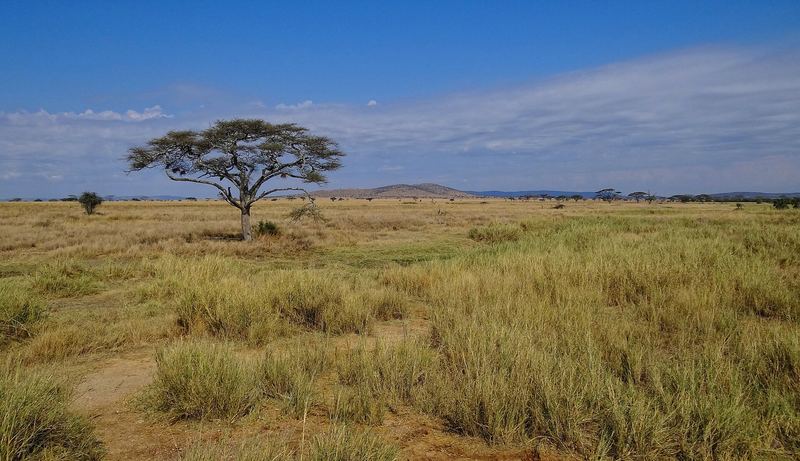
Tanzania
The Gambia
Togo
Zambia
Zimbabwe
Botswana: Central Kalahari Game Reserve, Chobe National Park, Makgadikgadi Pans, Mashatu and the Northern Tuli Game Reserve, Okavango Delta, Selinda Reserve
Ethiopia: Bale Mountains, Bishoftu
Kenya: Amboseli, Chyulu Hills, Diani Beach, Laikipia, Lake Naivasha, Maasai Mara, Samburu, Tsavo, Watamu
Lesotho: Ts'ehlanyane National Park
Mozambique: Bazaruto Archipelago, Gorongosa National Park, Inhambane Coast, Maputo, Ponta do Ouro
Namibia: Damaraland, Etosha National Park, Fish River Canyon, Skeleton Coast, Sossusvlei, Swakopmund
Republic of the Congo: Odzala-Kokoua National Park
Rwanda: Akagera National Park, Nyungwe National Park, Volcanoes National Park
Saint Helena: Jamestown, Saint Helena
Senegal: Cap Skirring, Sine-Saloum Delta
South Africa: Sabi Sand, Cape Winelands, Cape Town, Drakensberg, Eastern Cape Safari Reserves, Garden Route, Hermanus, iSimangaliso Wetland Park, Madikwe Game Reserve, Panorama Route and Blyde River Canyon, Tswalu Kalahari Reserve
São Tomé and Príncipe: Príncipe
Tanzania: Serengeti, Ngorongoro Crater, Zanzibar, Mafia Island, Nyerere National Park, Pemba Island, Ruaha National Park, Tarangire National Park
Zambia: Kafue National Park, Liuwa Plain National Park, Lower Zambezi, South Luangwa
Which Safari Country Fits You
- Tanzania: the classic first safari. The Serengeti, Ngorongoro Crater and Tarangire National Park line up on one northern circuit, with Zanzibar a short flight away.
- Kenya: the Maasai Mara for big cats and river crossings, plus private conservancies in Laikipia and Samburu where night drives and walks are allowed.
- Botswana: the Okavango Delta by mokoro, elephants at Chobe National Park and low-volume camps by design.
- Zambia and Zimbabwe: walking safaris in South Luangwa, canoes on the Lower Zambezi, the herds of Hwange National Park and Victoria Falls between them.
- South Africa: polished lodges in the Sabi Sand and malaria-free Madikwe Game Reserve, then the Cape Winelands and Cape Town.
- Namibia: Sossusvlei dunes, Damaraland and Etosha National Park on a self-drive.
- Rwanda: gorilla treks in Volcanoes National Park, with lions and rhinos in Akagera National Park.
Malawi, Mozambique and Eswatini are quieter, cheaper add-ons.
Dry Season, Green Season and the Migration
Across East and Southern Africa the dry season, roughly June to October, is prime time. Grass is short, animals gather at water and days are sunny, though morning drives can be cold. It is also when rates peak.
Timing matters most in Tanzania and Kenya. The Great Migration's river crossings in the northern Serengeti typically start around July and move into the Maasai Mara from about July to October. From January to March the herds gather on the southern Serengeti plains for calving.
Green season, roughly November to April, brings lower rates (30 to 40 percent off in Zambia where camps stay open), newborn animals and dramatic skies. Some remote camps close.
The Cape runs the other way: Cape Town is best in its summer, November to March. Victoria Falls is fullest from about April to August. The Mozambique coast peaks from May to October, which pairs neatly with a dry-season safari.
Plains, Big Cats and the Big Five
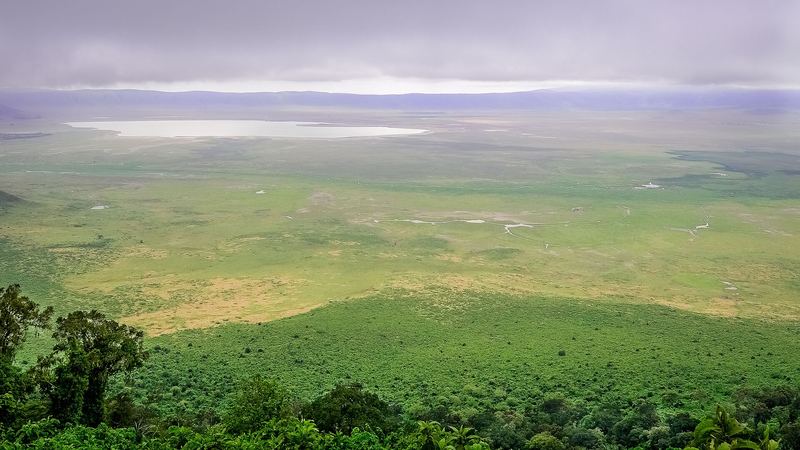
If you picture lions on a termite mound and a horizon full of wildebeest, start in the Serengeti. Pair it with the Ngorongoro Crater, an ancient volcano with a world of wildlife on its floor. Tarangire National Park adds elephant herds under thousand-year baobabs.
In Kenya, the Maasai Mara delivers the same plains with a tent on the grassland. Amboseli adds elephant families with Kilimanjaro behind them, Laikipia has rhinos at dawn and horseback rides. Samburu has dry-country species found nowhere farther south.
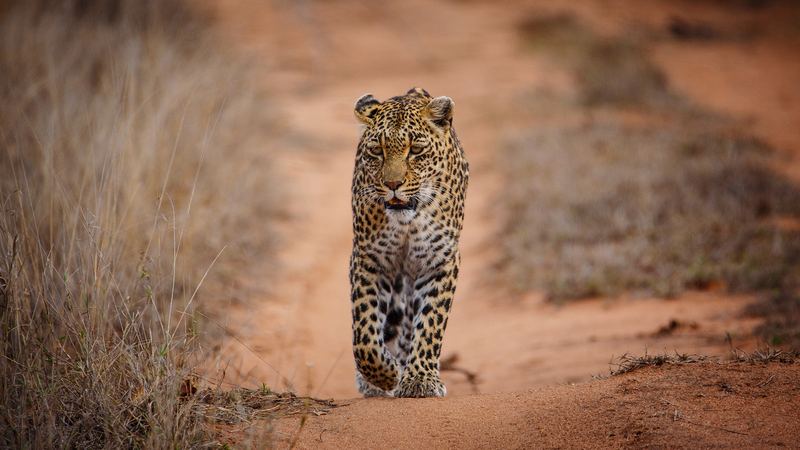
South Africa does this with the most comfort. The Sabi Sand shares an unfenced border with Kruger and is known for leopards that stroll past the vehicle. Madikwe Game Reserve is a short hop from Johannesburg and malaria-free, a real plus for couples who would rather skip the pills.
Canoes, Walking Safaris and Wilder Camps
Southern Africa's best safaris often happen off the vehicle. In the Okavango Delta you glide through papyrus channels in a mokoro, with your tent on stilts above the water. Chobe National Park puts hundreds of elephants at the river's edge, seen from a small boat. The Makgadikgadi Pans swap animals for a white horizon and a bedroll under the stars.
Zambia is the home of the walking safari. South Luangwa pairs morning walks with leopards by spotlight, while the Lower Zambezi lets you paddle past elephants. Across the border, Hwange National Park draws huge herds to its waterholes.
Namibia feels like another planet: climb a red dune at Sossusvlei before breakfast, look for desert elephants in Damaraland and watch rhinos drink at a floodlit waterhole in Etosha National Park.
For primates, Volcanoes National Park in Rwanda means an hour with a silverback. Odzala-Kokoua National Park and Loango National Park in Central Africa suit couples who have already done a classic safari.
Beaches to End On
Zanzibar is the default finish for Tanzania, with spice-scented alleys in Stone Town and dhows at sunset. Kenya's answer is Diani Beach, ten miles of white sand south of Mombasa.
Mozambique is the quieter, wilder choice. The Bazaruto Archipelago has dunes and sandbars you can have to yourselves, the Inhambane Coast has whale sharks offshore and Ponta do Ouro is a short road trip from South Africa. Lake Malawi swaps salt for clear fresh water and granite islands.
West Africa's coast is for couples who want culture with their sand. Cap Skirring and the mangrove creeks of the Sine-Saloum Delta in Senegal, Busua and Cape Coast in Ghana and the lagoon at Assinie in Ivory Coast all reward a slower trip.
For islands, Sal in Cape Verde has a long white beach and steady wind, Santo Antão has cliff paths and Príncipe has cocoa estates running down to empty sand.
Getting There From the US
Johannesburg is the main gateway. Delta flies nonstop from Atlanta and United from Newark in about 15 to 16 hours. South Africa also has nonstops to Cape Town. From Johannesburg, short regional flights reach Maun and Kasane in Botswana, Victoria Falls, the Mozambique coast and private airstrips in the Sabi Sand.
For East Africa, Kenya Airways flies nonstop from New York JFK to Nairobi in 14 to 15 hours, though frequency has been cut. Ethiopian Airlines flies nonstop from Washington Dulles to Addis Ababa in about 13 hours and connects onward across the continent. Tanzania has no nonstops, so couples connect through Doha, Dubai, Istanbul, Amsterdam or Addis Ababa to Kilimanjaro or Zanzibar.
West Africa is closer: Delta and United fly to Accra in 10 to 11 hours.
Entry and visa rules depend on your citizenship and can change at short notice, so check the official government website before you book. If your first bush flight leaves early, plan a spare night in Johannesburg on the way out, since a missed connection can cost you a day of safari.
What a Safari Honeymoon Costs
Safari is priced per person per night, usually including meals, drinks, game drives and park fees. All figures below are approximate.
- Botswana is the most expensive by design: about $900 to $2,000 per person in established Delta camps and $2,500 or more at the top. Many couples spend $15,000 to $30,000 for 10 days including flights.
- Tanzania's top lodges often pass $1,500 per person in high season, with good tented camps around $600 to $1,200.
- Rwanda's gorilla permit has cost $1,500 per person per trek for years.
- Zambia's well-known camps run roughly $800 to $1,800 per person in peak months.
Value comes from Zimbabwe, which tends to cost less than Botswana for a similar experience, from Malawi and from a self-drive in Namibia, where mid-range lodges run around $300 to $600 per couple per night. Cape Town and the Winelands cost far less than the bush, so a longer Cape stay stretches the budget.
Safety and Travel Advisories
Africa's advisories vary enormously, often within a single country. Here is how the safari and beach countries we cover stood in October 2026.
- A few countries in the region are under Do Not Travel advisories and are not covered on our site.
- Level 3, reconsider travel: Kenya, raised on October 19, 2026 after imported Ebola cases in Nairobi and also citing crime, terrorism and unrest, with Level 4 zones including Lamu County. Ethiopia is also Level 3.
- Level 2: most other safari and beach countries, including Botswana, Namibia, Rwanda, Zimbabwe, Malawi and Mozambique, mainly for crime in towns. Mozambique's Do Not Travel zones in Cabo Delgado are far from Bazaruto and Inhambane.
- Level 1, normal precautions: Zambia, Senegal and Cape Verde.
Check travel.state.gov for Tanzania and South Africa before booking. On safari, the bigger practical issues are malaria prevention and your guide's rules around animals: stay in the vehicle unless told otherwise and let staff walk you to your tent after dark. Most safari areas carry malaria, so if you're pregnant or hoping to be soon, check CDC travel health notices for your destination. Madikwe is the easy malaria-free alternative.
In towns, use hotel cars or registered taxis at night rather than walking. Zanzibar and the Kenyan coast are largely Muslim, so both of you should cover shoulders and knees in Stone Town and the villages and save beachwear for the resort. South Africa is the notable exception, with marriage equality since 2006.
Building a Bush-and-Beach Route
Ten to fourteen nights is the sweet spot. These pairings work without wasted days.
- Tanzania: Ngorongoro Crater and the Serengeti, then four or five nights on Zanzibar.
- South Africa: the Sabi Sand or Madikwe Game Reserve, then Cape Town and the Cape Winelands. Add the Garden Route if you like a road trip.
- Botswana and Victoria Falls: the Okavango Delta and Chobe National Park, then a short transfer to the falls.
- Zambia: South Luangwa and the Lower Zambezi, finishing in Livingstone at Victoria Falls.
- Safari and Mozambique: fly from Johannesburg to the Bazaruto Archipelago after any Southern Africa safari.
- Rwanda and Tanzania: gorillas in Volcanoes National Park, then a regional flight to Tanzania for the Serengeti.
Avoid packing in three countries with long road transfers. Light aircraft between camps cost more but give you back whole days.
Africa Honeymoon FAQ
Which African country is best for a first safari honeymoon?
Tanzania is the easiest all-round choice: the Serengeti and Ngorongoro Crater deliver huge numbers of animals on one circuit. Zanzibar is a short flight away for the beach. South Africa is the most comfortable and easiest to reach, with nonstops to Johannesburg. Botswana is the pick if you value privacy and can afford it.
When is the best time for an African safari honeymoon?
June to October is the dry season across East and Southern Africa, with the easiest game viewing and the highest rates. January to March is good for calving in the southern Serengeti. Green season, roughly November to April, is cheaper and lush. Cape Town is best from November to March.
How long is the flight from the US to Africa?
Nonstops to Johannesburg from Atlanta or Newark take about 15 to 16 hours. New York to Nairobi takes 14 to 15. West Africa is shorter, at 10 to 11 hours to Accra. Most safari camps then need a regional flight, so plan on 20 to 26 hours door to door for Botswana, Zambia or Namibia.
Is Kenya still a good choice for a safari honeymoon?
Kenya's parks and conservancies remain superb, but the State Department raised the country to Level 3 on October 19, 2026, citing imported Ebola cases in Nairobi as well as crime and terrorism. Entry health screening has tightened. Couples booking now may prefer Tanzania, Botswana or Zambia and should recheck Kenya's advisory before paying deposits.
How much does a safari honeymoon in Africa cost?
Expect roughly $600 to $1,200 per person per night for good tented camps in Tanzania, more in Botswana, where 10 days often totals $15,000 to $30,000 with flights. Self-drive Namibia and Zimbabwe cost less. Rates usually include meals, drinks and game drives. Green season can bring discounts of 30 to 40 percent.
Can we see gorillas on our honeymoon?
Yes. Rwanda's Volcanoes National Park is the most reliable option for American couples, a Level 2 country with luxury lodges and short transfers from Kigali. The permit has cost $1,500 per person per trek. Treks run from one to several hours on steep, muddy slopes, so pack gloves and good boots. The hour with the family at the end is the part couples talk about for years.