







Why South Africa for Your Honeymoon
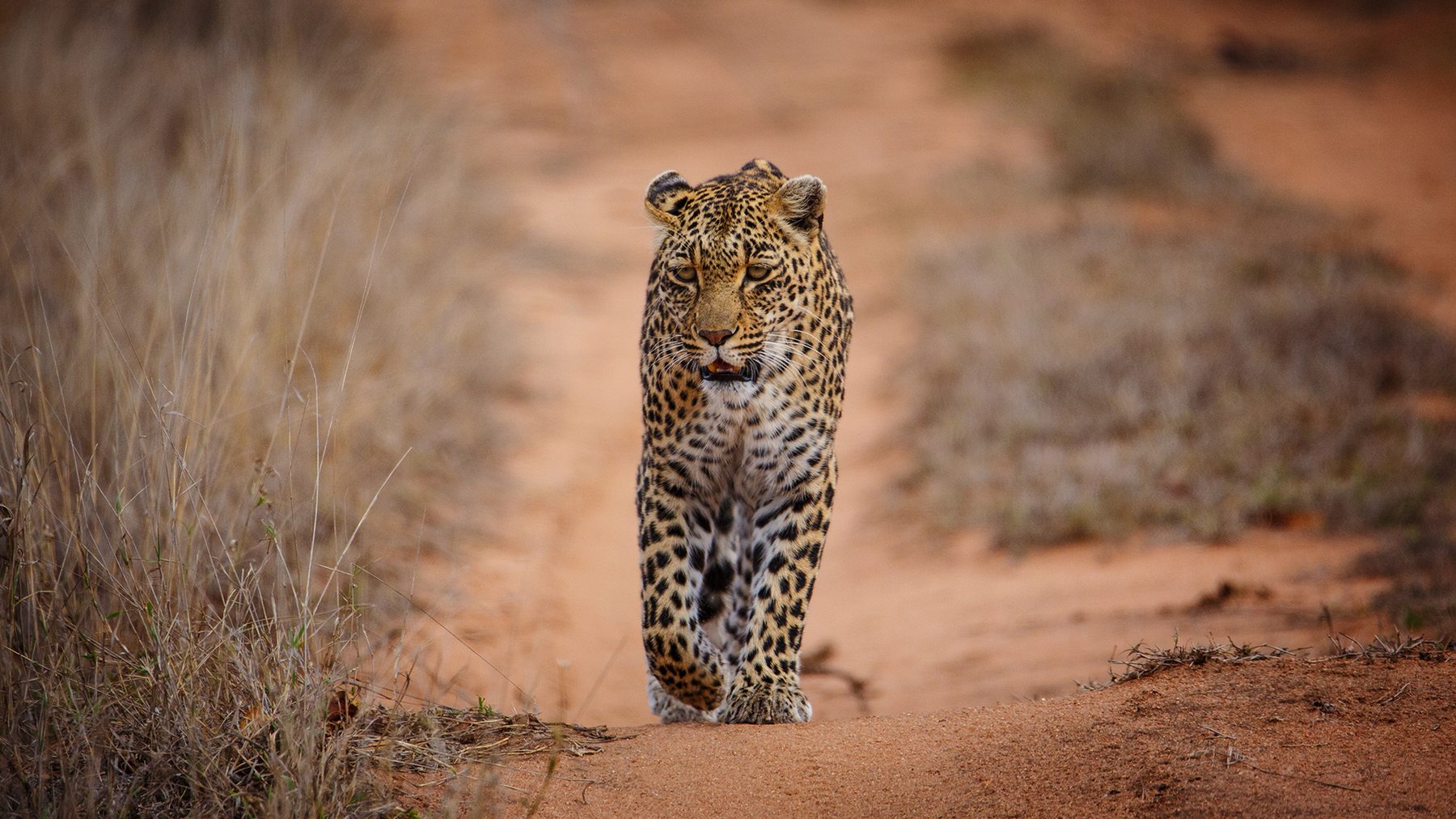
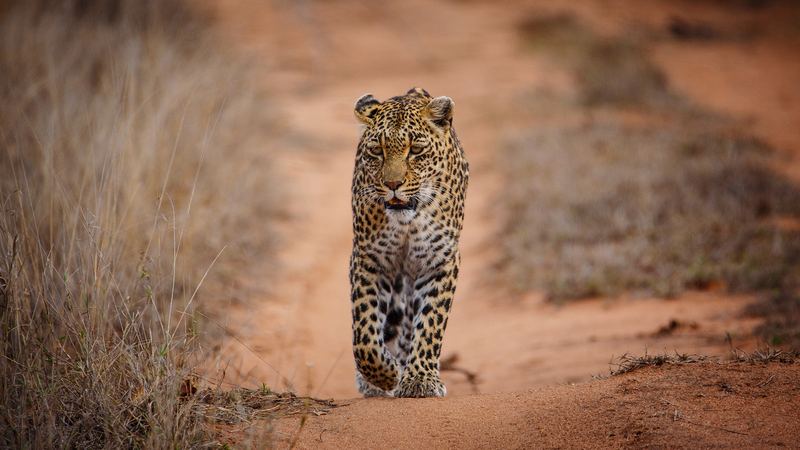
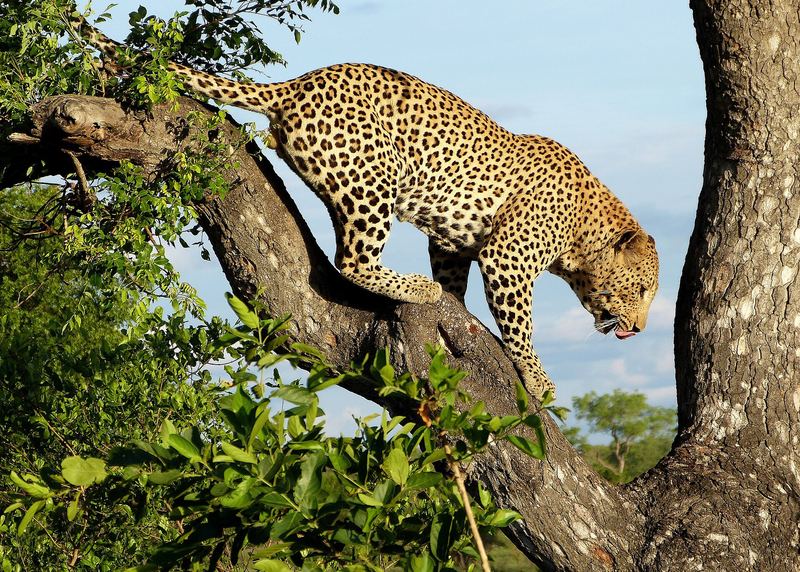
South Africa offers a polished, varied honeymoon where the quality rarely slips. On safari, you can watch leopards at close range, follow elephant herds to the river and dine under the stars in the bush. In the Winelands, you can cycle between historic farms, sample celebrated wines and enjoy some of Africa's best restaurants.
The infrastructure is excellent, with reliable domestic flights, high-quality roads in the Cape and outstanding hotels. English is widely spoken, making it easy for US travelers to navigate. And because the US dollar typically goes far, many couples find they can enjoy a level of luxury here that would cost considerably more elsewhere. It is a destination that rewards curiosity and a taste for comfort in equal measure.
Best Time to Visit
South Africa's seasons are the reverse of North America's. The best time depends on your priorities. For safari, the dry winter months, roughly May to September, are generally considered ideal. Vegetation thins, animals gather at water sources and days are sunny, though early mornings can be cold.
The Cape is loveliest in its summer, roughly November to March, when days are warm and dry, made for outdoor dining and beach time. Harvest season in the Winelands runs from about February to April.
A great compromise is to travel in the shoulder months, such as April, May, September or October, when you can enjoy good game viewing and pleasant weather in the Cape. Safari is rewarding year-round, so you can plan around the Cape's best months if wine and coast are your priority.
Top Honeymoon Destinations
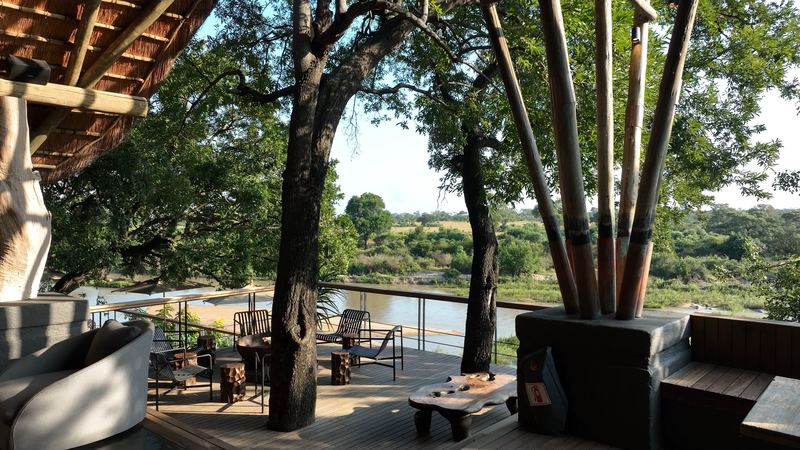
The Sabi Sand is a group of private reserves sharing an unfenced border with Kruger National Park. It is famous for leopard sightings and luxury lodges. Singita Boulders Lodge has glass-walled suites with private plunge pools on the Sand River, while Londolozi, in the Varty family since 1926, has five intimate camps, with Pioneer Camp recommended for honeymoons.
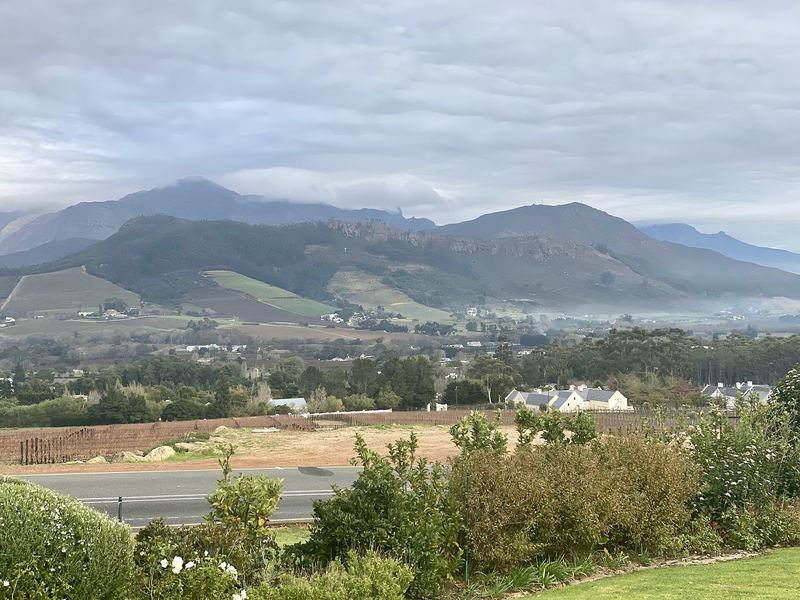
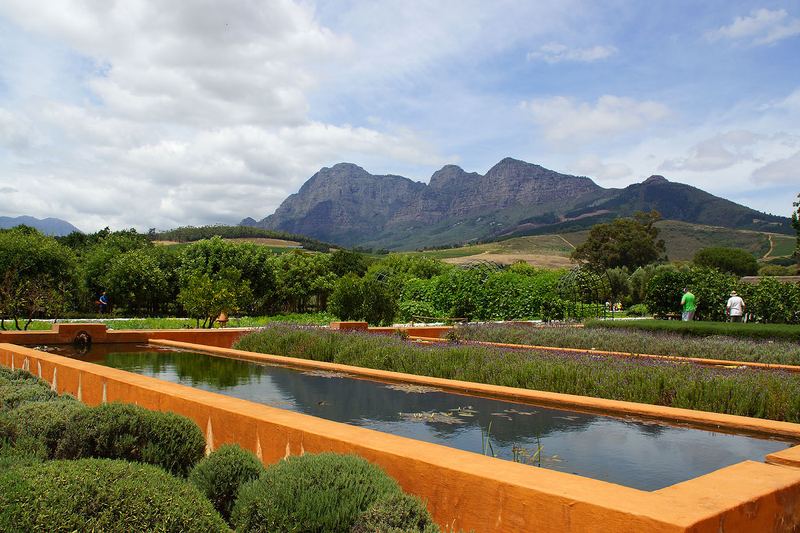
The Cape Winelands, less than an hour from Cape Town, include the historic towns of Stellenbosch and Franschhoek, along with hundreds of wine estates. Babylonstoren, a Cape Dutch farm at the foot of the Simonsberg between Paarl and Franschhoek, is a standout, with stylish cottages, a celebrated garden and the award-winning Babel restaurant. Cape Town itself deserves four or five nights for Table Mountain, the Cape Peninsula drive and its restaurants. The Garden Route, a few hours east, is a slow coastal road trip of lagoons, forests and whale-watching bays. If you'd rather avoid malaria areas, Madikwe Game Reserve near the Botswana border offers Big Five drives without antimalarial pills, about an hour's flight from Johannesburg.
How Long to Stay & Sample Itinerary
Plan at least 10 to 12 nights to make the most of a South African honeymoon. This allows time to enjoy both safari and the Cape without rushing.
A sample 11-night honeymoon:
- Night 1: Johannesburg. Arrive on an overnight flight from the US and rest near the airport.
- Nights 2 to 5: Sabi Sand. Fly to a lodge airstrip for four nights of game drives at Singita Boulders or Londolozi.
- Nights 6 to 8: Cape Winelands. Fly to Cape Town and transfer to Babylonstoren for wine, food and relaxation.
- Nights 9 to 11: Cape Town. Explore Table Mountain, the waterfront and a day trip to Cape Point and the penguins at Boulders Beach.
With more time, add the Garden Route or a beach escape.
Budget & Costs
South Africa spans a wide range of budgets, but luxury safaris are the biggest expense. Top Sabi Sand lodges typically charge per person per night on an inclusive basis, covering meals, most drinks and game activities. Expect the most exclusive lodges to rank among the priciest stays of your trip, with rates varying significantly by season, camp and suite.
The Cape offers better value, with excellent hotels, restaurants and wines at lower prices than comparable destinations in Europe or the US. Budget also for activities, international and domestic flights, light-aircraft transfers to the reserves and tips for guides and staff. All figures here are approximate and subject to change, so confirm current rates when planning.
Practical Tips for US Travelers
Nonstop flights connect the US to Johannesburg (JNB) and Cape Town (CPT) from hubs such as Atlanta and New York/Newark, with flight times of roughly 15 to 17 hours. From Johannesburg, short flights reach Skukuza or private airstrips near Sabi Sand lodges.
The currency is the South African rand (ZAR). Credit cards are widely accepted. English is widely used, though South Africa has 12 official languages. Small planes to safari lodges have strict luggage limits, so pack light in soft-sided bags. The Sabi Sand is in a malaria area, so consult your doctor about prevention. If you're pregnant or hoping to be soon, check CDC travel health notices and consider a malaria-free reserve such as Madikwe instead. South Africa drives on the left. Entry and visa rules depend on your citizenship and can change at short notice, so check the official government website before you book.
Culture & Etiquette
South Africa is a diverse nation with many cultures, languages and traditions. Greet people warmly and politely; a handshake is common. Tipping is customary: in restaurants, around 10 to 15 percent is typical. On safari, lodges usually provide guidance on tipping guides, trackers and staff.
On safari, follow your guide's instructions at all times, keep noise to a minimum near animals and never leave the vehicle unless told it is safe. In the Winelands, tasting rooms welcome visitors of all levels, so don't be shy about asking questions. Supporting community and conservation projects, such as those run by lodges in the Sabi Sand, is a meaningful way to give back.
Quick tips
- Fly from Johannesburg to small airstrips near Sabi Sand lodges.
- The dry winter months (May–September) are best for spotting wildlife.
- The Cape is loveliest in its summer, roughly November–March.