Serengeti
Honeymoon in Tanzania

Serengeti

Endless plains, a million hooves on the move and a sky full of stars for two

2 hand-picked staysBest: Jan–OctKilimanjaro
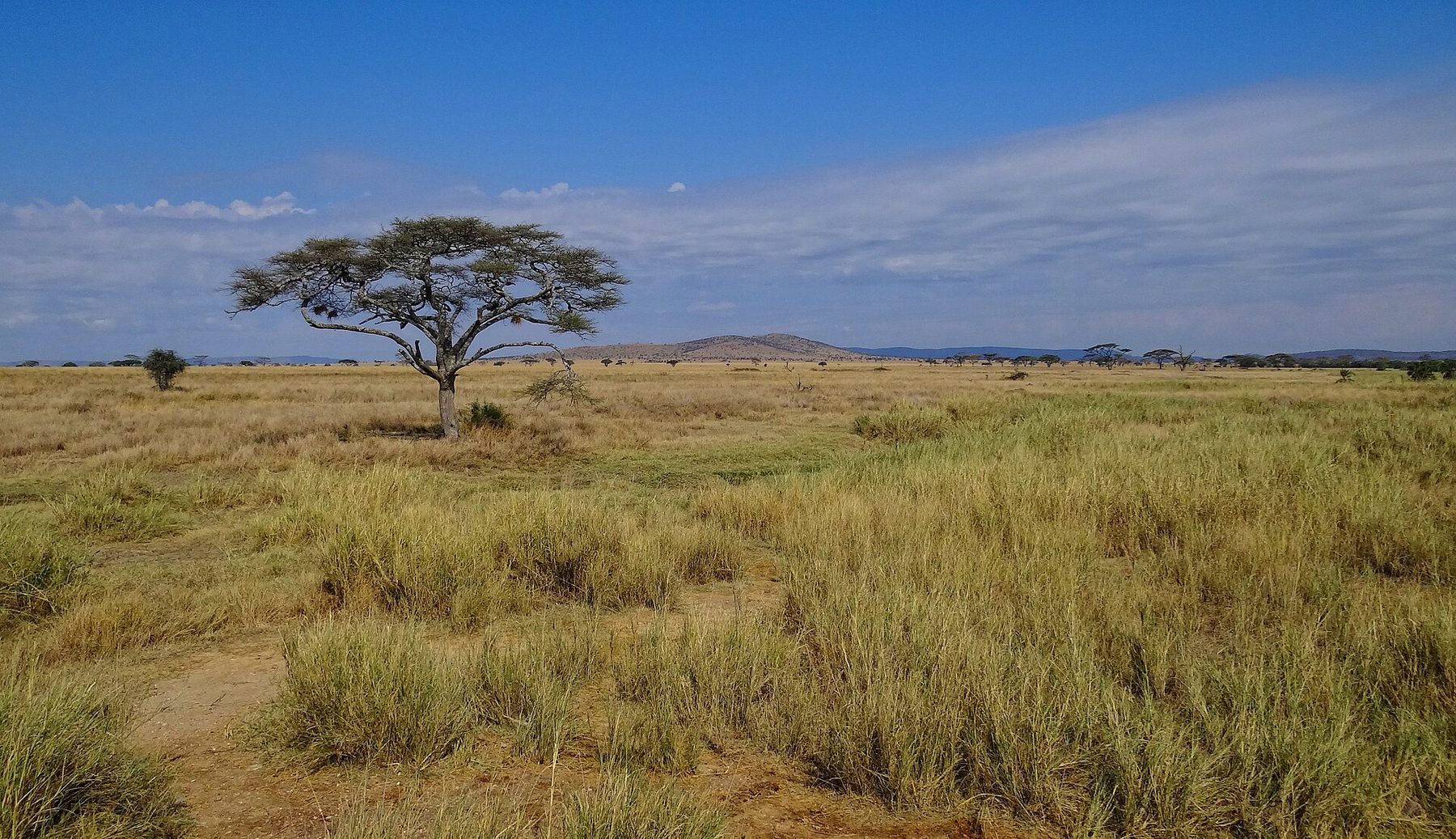
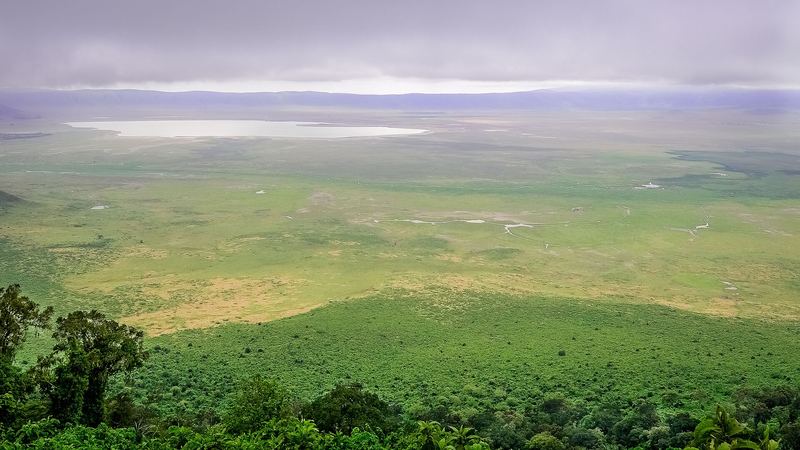
Photo: Serengeti-Landscape-2012 · Bjørn Christian Tørrissen · CC BY-SA 3.0
The short answer

The Serengeti is the classic safari honeymoon: endless plains, the Great Migration and luxury lodges with plunge pools, bush breakfasts and lantern-lit dinners. There is wildlife year-round, but match your lodge to the herds: calving on the southern plains around January to March, Mara River crossings around July to October. Plan at least four or five nights, then finish on Zanzibar. Private reserves cost more but bring off-road drives and few vehicles. Don't miss a sunrise balloon flight over the herds.

Best for
  • Couples who want big wildlife moments
  • A bush-and-beach trip with Zanzibar
  • Lodges with private plunge pools
Maybe skip it if
  • Early starts and long drives don't appeal
  • You want a short, simple journey

The Serengeti is the safari you have seen in documentaries, only bigger. The name comes from the Maasai word for endless plains. When you first see the grasslands rolling away to a horizon dotted with umbrella acacias and granite kopjes, the description feels almost modest. This is the stage for the Great Migration, when roughly 1.5 million wildebeest and a quarter of a million zebras follow the rains in a vast, circular loop of some 500 miles, with lions, cheetahs, hyenas and crocodiles never far behind.

A honeymoon here is about shared astonishment: a lioness stalking through the grass at dawn, a hot-air balloon drifting over the herds, a sundowner on a kopje as the sky blazes orange, then dinner under more stars than you knew existed. The park covers some 5,700 square miles and is a UNESCO World Heritage site. Around it lie private reserves where you can drive off-road and rarely see another vehicle. With the right timing and the right lodge, it can be the week you talk about for the rest of your marriage.

Best time to visit Serengeti

Peak months: January, February, June, July, August, September, October

BestGood / shoulderLow season (rain, heat, storms or closures)
Best months
January to February and June to October
Shoulder
March and November to December
Stays from
about $1,200 a night for two
Getting there
Kilimanjaro (JRO) or Arusha (ARK), then a light aircraft to a bush airstrip
Country
Tanzania
From the US
Connect through Doha, Dubai, Istanbul, Amsterdam or Addis Ababa to Kilimanjaro (JRO) or Zanzibar (ZNZ).
Don’t miss

Serengeti at a glance

  • Hot-air balloon safari at sunrise
  • Witness a river crossing (roughly July–October)
  • Bush breakfast under an acacia
  • Night game drive (in private concessions)
  • Sundowners on a kopje

Best months: January, February, June, July, August, September, October

Why Honeymoon in the Serengeti

Few experiences bond two people like a safari. Every game drive is unscripted. The moments you share (the first elephant, the first lion, the first river crossing) become stories you will tell for decades. The Serengeti delivers on a scale nowhere else can match: Africa's largest lion population; healthy numbers of leopards and cheetahs; and plains game in numbers that are hard to comprehend.

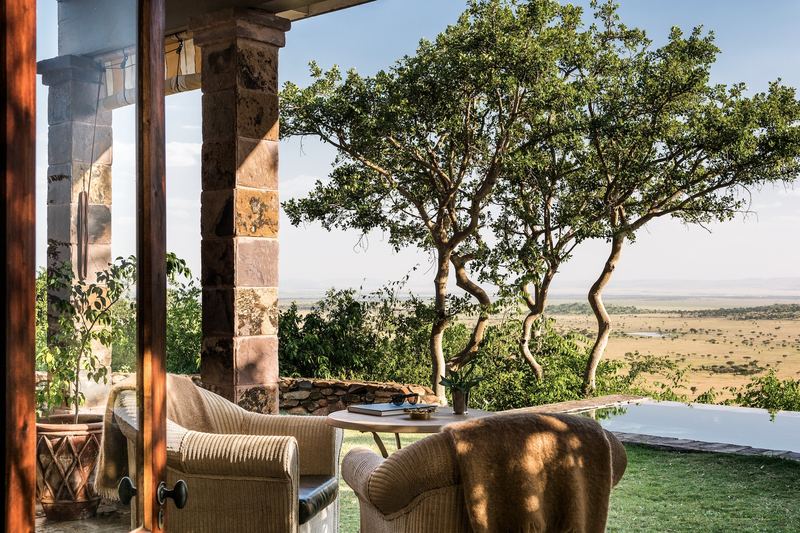
The luxury lodges here are also built for romance. Think private plunge pools facing the plains, butlers who arrange bush breakfasts and lantern-lit dinners, spa treatments after dusty drives and an inclusive approach that lets you forget about logistics. Add a beach finale on Zanzibar and you have the best-known bush-and-beach honeymoon on the continent.

When to Go

There is wildlife to see year-round, but where you stay should follow the season. In broad strokes:

  • Roughly January to March: the herds gather on the southern short-grass plains, around the Ndutu area and the edge of the Ngorongoro Conservation Area, where hundreds of thousands of calves are born and predators are active.
  • Roughly April and May: the long rains, with lush scenery, fewer visitors and some lodges closed.
  • Roughly May to July: the herds move through the Western Corridor, crossing the Grumeti River.
  • Roughly July to October: the migration reaches the northern Serengeti, with dramatic Mara River crossings.
  • November and December: the short rains, as herds head south again.

The dry months from June to October are the most popular for easy game viewing. Timing varies with rainfall, so let a specialist guide you.

Where to Stay

Your first choice is between staying inside the national park and staying in a private concession bordering it. Lodges inside the park offer central access to wildlife but share roads with other vehicles; private reserves offer exclusivity, off-road driving, night drives and walking safaris.

Four Seasons Safari Lodge Serengeti sits in the central Serengeti, within the park, built around a watering hole that elephants visit constantly. Its 77 rooms, suites and villas include terrace suites with private plunge pools. The lodge adds a spa, a firepit boma dinner and wine-cellar dining. For old-world elegance, Singita Sasakwa Lodge crowns a hilltop in the roughly 350,000-acre Singita Grumeti reserve on the park's western edge, with nine cottages and a villa, each with an infinity pool. Many couples also spend a few nights at a mobile or tented camp that moves with the herds.

Romantic Things to Do

Float over the plains in a hot-air balloon at sunrise, then land for a Champagne breakfast in the bush. Spend long days on game drives with a guide who knows the territory of every lion pride. In private reserves, set out on a walking safari to read tracks and learn the small wonders of the bush, or head out after dark on a night drive to spot nocturnal creatures.

Most lodges will arrange a private bush breakfast under an acacia or a sundowner on a kopje, the granite outcrops that dot the plains and serve as lookout posts for big cats. If your dates line up, waiting by the Grumeti or Mara rivers for a crossing is hard to beat. Back at camp, swap stories over dinner by firelight, then fall asleep to the sounds of the night.

Getting There & Around

Most US travelers connect through Europe or the Middle East to Kilimanjaro International Airport (JRO), usually spending a night near Arusha. From there, scheduled and charter light aircraft fly to airstrips across the Serengeti, such as Seronera in the central park and strips near the private reserves, with your guide waiting on arrival.

Flying saves many hours of bumpy roads and opens up the more remote areas. Light aircraft enforce strict luggage limits, typically requiring soft-sided bags. Some couples drive part of the northern circuit from Arusha through Ngorongoro into the Serengeti, which adds scenery but takes a full day. Within the park, game drives are in open or pop-top safari vehicles with expert guides.

Food & Drink

Safari dining has come a long way from tinned rations. Luxury lodges serve fresh, seasonal menus that blend East African flavors with international cooking, often featuring vegetables and herbs from their own gardens. Expect generous breakfasts after early drives, picnic lunches on longer outings and multi-course dinners by candlelight.

Some of the most memorable meals happen outdoors: grilled dishes around a boma fire, a table set beneath the stars, or a breakfast spread on the open plains. Many high-end lodges offer impressive wine lists, especially South African labels. At inclusive camps, drinks are usually part of the rate, so a gin and tonic at sunset is simply part of the rhythm of the day.

Honeymoon Tips

  • Match your lodge to the migration calendar, or choose a reserve with strong resident wildlife.
  • Combine two areas, for example the central park and a private reserve, for variety.
  • Plan at least four nights in the Serengeti; five or more is better.
  • Pack neutral colors, layers for chilly mornings and soft-sided luggage. Skip dark blue and black, which attract tsetse flies in the wooded western areas.
  • Talk to a travel doctor about vaccinations and malaria prevention well ahead of time. If you're pregnant or hoping to be soon, check CDC travel health notices for this destination.
  • End with a few nights on Zanzibar to rest up.
Plan the rest

Book the details for Serengeti

Partners we use for flights, transfers, connectivity and cover.

Experiences & tours

Sunset cruises, snorkel trips, cooking classes and private guides. Most offer free cancellation.

Private airport transfers

A private driver waiting at arrivals with your name on a sign. No taxi lines after a long flight.

Stay connected (eSIM)

Install a travel eSIM before you fly so your phone works the moment you land, with no roaming bill.

Travel insurance

Compare trip-cancellation and travel-medical plans built for US travelers.

Flights

Search flexible fares and clever routings to your honeymoon gateway.

FAQ

Serengeti honeymoon FAQ

When is the best time to see the Great Migration?

It depends on what you want to see. Calving happens on the southern plains roughly January to March. The herds move through the Western Corridor around May to July and typically reach the northern Serengeti for Mara River crossings from about July to October. Rainfall shifts the timing each year, so book lodges that suit the season.

How many days should we spend in the Serengeti?

Plan at least four nights, ideally five or six if the Serengeti is the heart of your safari. That gives you time to see a variety of wildlife, enjoy a balloon flight and relax at your lodge. Many couples split their time between two lodges in different areas, then add Ngorongoro Crater and a Zanzibar beach finale.

Is it better to stay inside the park or in a private reserve?

Both have advantages. Lodges inside the park, like Four Seasons Safari Lodge Serengeti, offer central access to wildlife but share roads with more vehicles. Private reserves, such as Singita Grumeti, offer exclusivity, off-road driving, walking safaris and night drives. Combining the two gives you the best of both worlds.

How do we get to the Serengeti from the US?

Fly to Kilimanjaro International Airport via a hub in Europe or the Middle East, usually staying a night near Arusha. From there, light aircraft fly to airstrips throughout the Serengeti in about one to two hours. Driving is possible but takes most of a day. Luggage limits on small planes are strict.

Is a Serengeti safari suitable for a honeymoon?

Yes, if you are happy with early starts and long days in a vehicle. Luxury lodges specialize in romance, with private plunge pools, candlelit bush dinners, spa treatments and butlers who arrange surprises. Pairing the safari with a beach stay on Zanzibar gives you adventure and relaxation in one trip, a classic East African honeymoon.

Honeymoon Huts is reader-supported. When you book through links on this page we may earn a commission, at no extra cost to you. Our picks are editorially independent. How we earn money.

Nearby

Honeymoon spots near Serengeti

Same mood, elsewhere

If you love Serengeti

More in Africa