





























Why Australia for a Honeymoon
The range is the draw. In ten days you can wake up to cockatoos on a rainforest lodge balcony, snorkel over giant clams on the outer reef, then fly to the Red Centre and eat dinner under a sky so dark the Milky Way casts a faint shadow. Few destinations stack that many different landscapes into one trip with English spoken everywhere and roads, food and hotels that work the way you expect.
It also rewards couples who like doing things together rather than lying still. Scenic flights over Heart Reef, a guided walk at sunrise around the base of Uluru, a wine tasting where the winemaker pours, a cliff-top coastal walk that ends at a beach pub: the best memories here tend to be active and outdoors.
The honest downsides are cost and time. Flights are long and rarely cheap, domestic airfares add up and Australian wages push restaurant prices higher than many Americans expect. Plan for at least twelve days on the ground to make the journey worthwhile.
Best Time to Visit
Seasons run opposite to the US. December through February is summer, June through August is winter. Which months are best depends on where you go, because the country spans tropical, desert and cool temperate zones.
- Tropical north (Cairns, Port Douglas, Whitsundays): May to October is dry, sunny and mild, with calm water for reef trips. November to April brings humidity, heavy rain, cyclone risk and box jellyfish season.
- Red Centre (Uluru): April to September has warm days and cold nights. Summer highs often pass 104°F, which makes walking risky.
- Southern states (Sydney, Melbourne, Tasmania, the wine regions): October to April is warm and long-lit. Winter is cool and quieter but still pleasant in Sydney.
For a single trip that covers reef, outback and a southern city, September through November is the sweet spot. Spring flowers are out in the south, the north is still dry and the desert has not yet turned hot.
Where to Go
Start with Sydney, which most honeymoons pass through anyway. Its harbor, beaches and dining scene make for an easy three nights to recover from the flight.
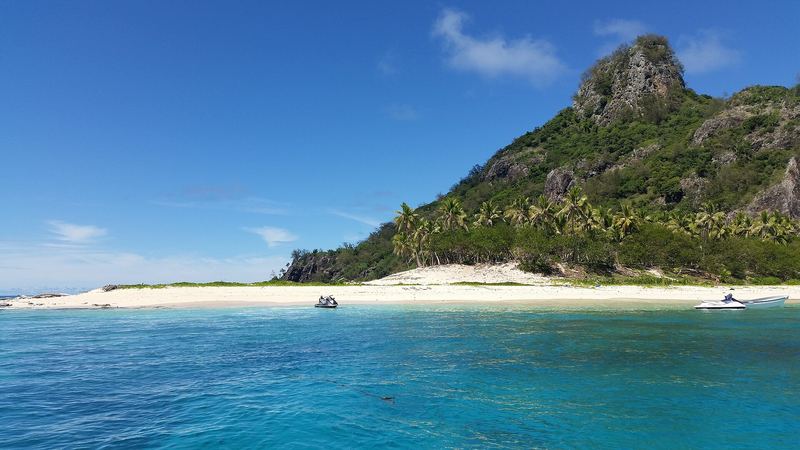
For the reef, there are two strong bases. One is the Whitsunday Islands, where you sail between island resorts and walk the white silica sand of Whitehaven Beach. The other is Port Douglas, a small town where the Daintree rainforest meets the outer reef. Both are best from May to October.
Uluru brings the outback in two or three nights, with sunrise walks, desert dinners and an artwork of 50,000 lights spread over the dunes.
Wine lovers have three strong options. The Barossa Valley outside Adelaide is famous for old-vine Shiraz. Margaret River in Western Australia pairs Cabernet and Chardonnay with surf beaches and limestone caves. Kangaroo Island, a short hop from Adelaide, adds wildlife and luxury lodges.
Tasmania suits couples who like cool air, mountain hikes and seafood. The Great Ocean Road from Melbourne is the classic coastal road trip. Byron Bay offers a slower beach town with whale watching in the cooler months.
Sample 10-Day Itinerary
This route assumes a September or October trip and one long-haul arrival into Sydney.
- Days 1–3, Sydney: land, sleep, then take the ferry to Manly and walk the Bondi to Coogee coastal path. Book a harbor-view dinner for the second night and the BridgeClimb for the third morning.
- Days 4–5, Uluru: fly direct to Ayers Rock Airport. Watch sunset at the dune viewing area, walk the base at sunrise and spend an evening at an outdoor desert dinner.
- Days 6–9, Port Douglas: fly to Cairns, direct on some schedules or via Sydney or Brisbane, then drive an hour north along the coast. Spend one day on the outer reef, one in the Daintree and Mossman Gorge, one sailing to the Low Isles and one doing nothing at all.
- Day 10: fly Cairns to Sydney or Brisbane and connect home.
If you have two more days, add Tasmania or the Barossa between Sydney and Uluru. Swap Port Douglas for the Whitsundays if you would rather stay on an island.
Budget and Costs
All figures here are approximate and swing with season and the exchange rate. The Australian dollar has traded well below the US dollar in recent years, which helps, but local prices are high to begin with.
Round-trip economy flights from the West Coast often fall somewhere around $1,200 to $2,000 per person, with business class many times that. Domestic flights between regions typically run $150 to $400 each way per person.
Comfortable four-star hotels in Sydney or Melbourne generally start around $200 to $350 a night. Boutique reef and island resorts often sit between $400 and $900. The famous all-inclusive lodges, such as those at Uluru, Kangaroo Island or Freycinet, can run well over $1,500 per couple per night including meals and guided activities.
A mid-range honeymoon of two weeks, with good hotels, a few splurge experiences and domestic flights, commonly lands in the $12,000 to $20,000 range for two before international airfare. Tipping is not expected, which offsets a little of the sticker shock.
Getting There and Around
Nonstop flights leave Los Angeles, San Francisco, Dallas–Fort Worth, Houston and Honolulu for Sydney, Brisbane and Melbourne, operated by Qantas, United, Delta and American. United has also added San Francisco to Adelaide. Most flights depart late in the evening and land early morning two calendar days later, because you cross the date line. Coming home, you arrive before you left.
Inside the country, fly. Qantas, Virgin Australia and Jetstar connect the main cities with frequent service. Book domestic legs as part of the same ticket as your international flight when you can, which protects you if a delay causes a misconnect.
Rent a car for wine regions, the Great Ocean Road, Tasmania and Margaret River. Australians drive on the left, distances are longer than the map suggests and kangaroos are a genuine hazard at dawn and dusk. Most rental contracts forbid driving at night in remote areas for exactly that reason. In Sydney and Melbourne, skip the car and use trains, trams, ferries and rideshare.
Culture and Etiquette
Australians are informal and allergic to pretension. First names are used straight away, sarcasm is affectionate and a bit of self-deprecation goes a long way. Tipping is not part of the culture, though rounding up or leaving around 10 percent at a fine-dining restaurant is appreciated.
Some places carry deep meaning for Aboriginal and Torres Strait Islander peoples, the traditional owners of the land. At Uluru, climbing has been banned since 2019 and certain sections of the rock are culturally sensitive sites where photography is not allowed. Signs mark them clearly. Joining a tour led by Aboriginal guides adds a layer of understanding you will not get from a plaque.
The sun deserves respect. UV levels are among the highest in the world, so hats, long-sleeve rash guards and reef-safe sunscreen are standard kit. Swim between the red and yellow flags on patrolled beaches, since rip currents are common and surf lifesavers set those flags for a reason.
Quick tips
- Book Uluru and reef lodges early for September and October, when the most popular rooms fill months ahead.
- Fly domestic legs on a separate day from your long-haul arrival, since the trip across the date line costs you a calendar day.
- From November to May, swim inside stinger nets or wear a lycra suit anywhere in tropical Queensland.