Why Honeymoon on the Makgadikgadi Pans
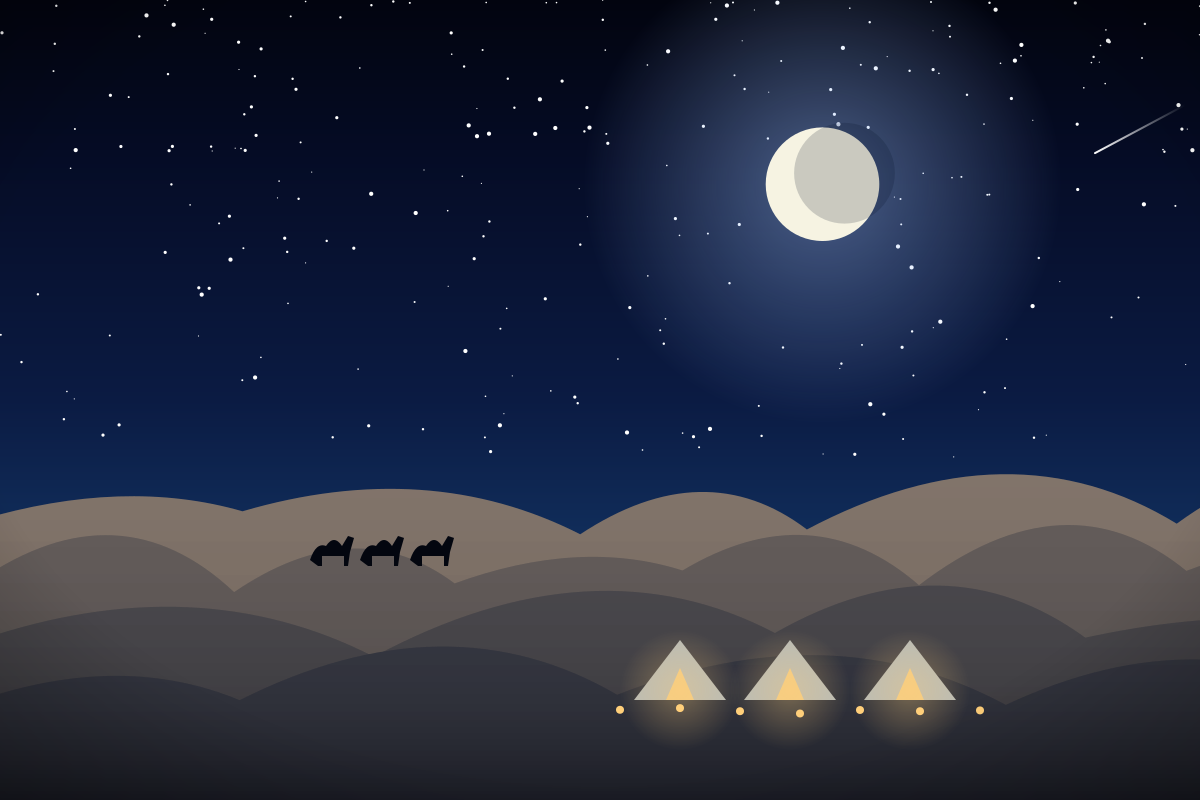
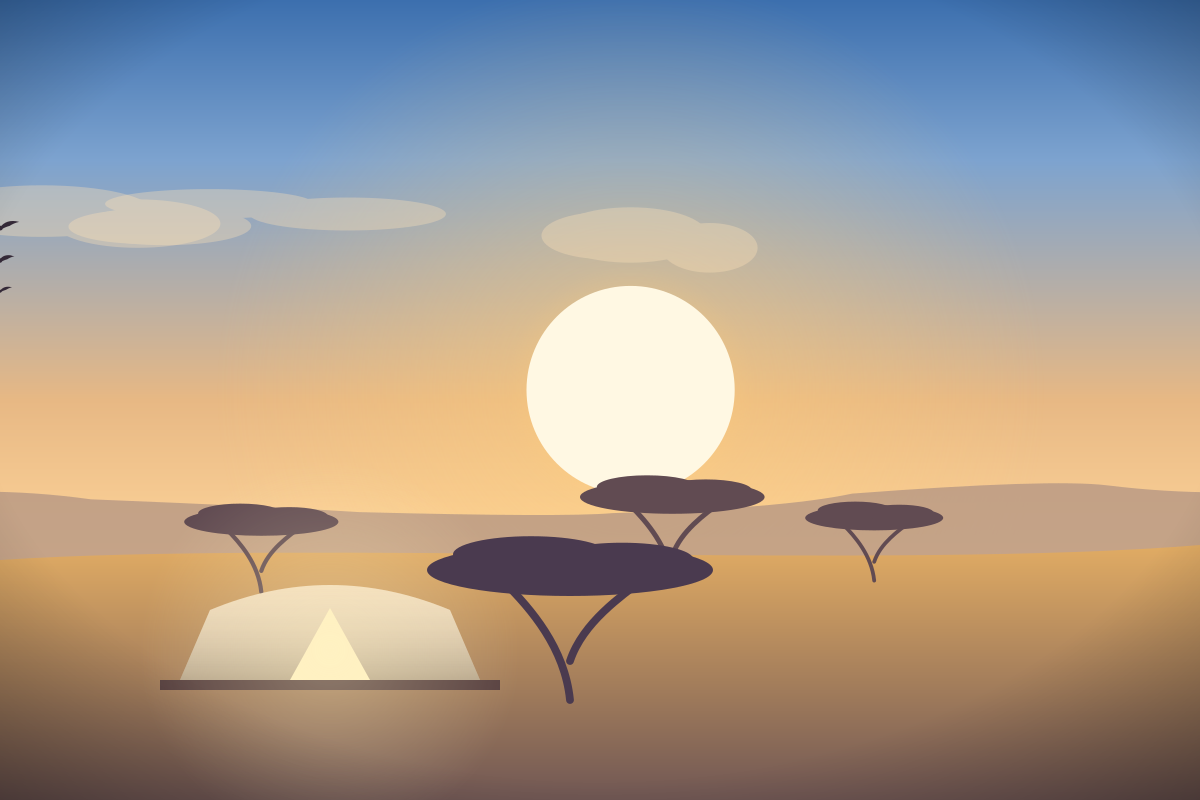
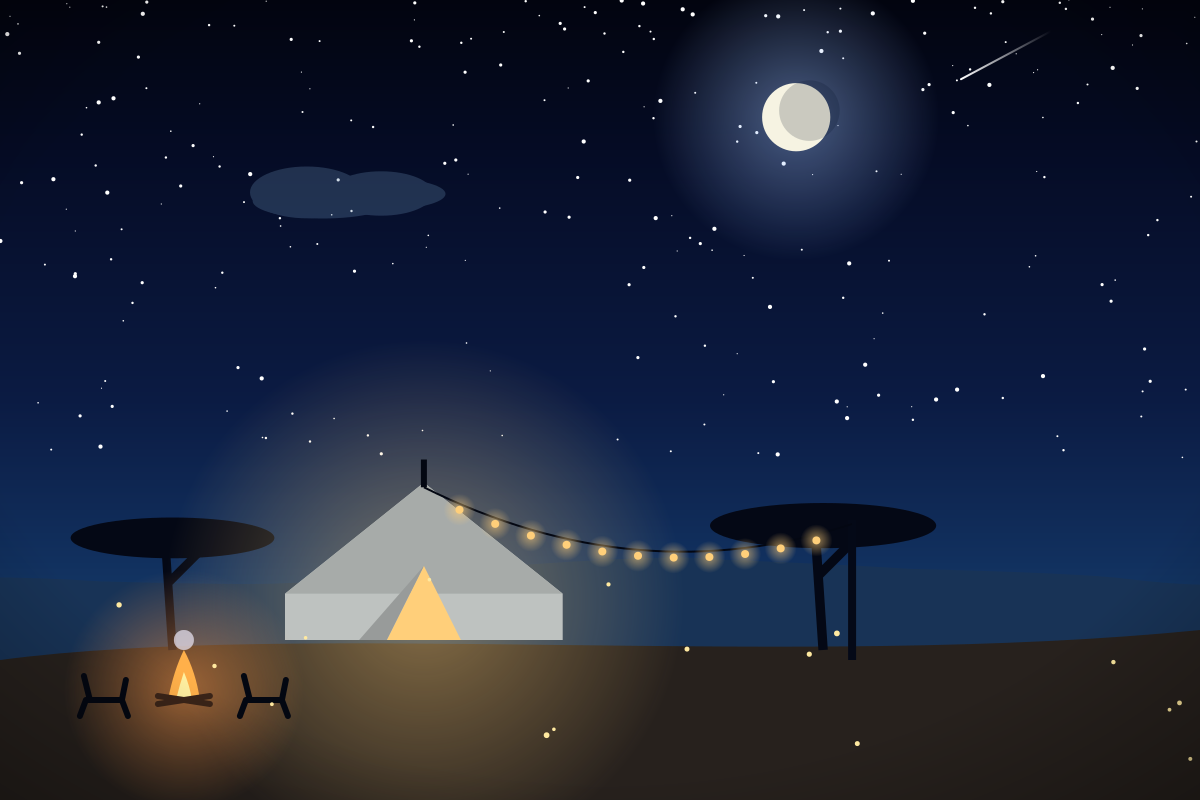
The pans are about space and silence rather than a checklist of animals. You still see wildlife, sometimes a lot of it, but the lasting memory tends to be a moment: lying on a bedroll with no sound at all, or watching the full moon rise over a plain that glows almost blue.
The area also adds depth to a Botswana trip. Camps here often work with San guides, who demonstrate tracking, plant knowledge and fire-making from one of the oldest cultures in Africa. There are archaeological sites with stone tools, fossilized shorelines from the ancient lake and huge baobabs that have stood for centuries. After the busy rhythm of a Delta camp, it feels like a reset.
When to Go
The pans have two distinct seasons that feel like different places.
The dry season, roughly May or June through October, is when the salt is hard enough for quad biking and sleep-outs. Days are warm and nights in June and July can be cold, so the bedrolls come with thick blankets. Along the Boteti River on the western edge, zebra and wildebeest gather at the last water during these months.
After the rains begin, usually from December, zebra and wildebeest move onto the grasslands around the pans in large numbers, with lions and cheetahs following. If enough rain falls, flamingos can gather on Sua Pan. Quad biking and sleep-outs are usually off the table then because the surface turns soft. Late October and November are very hot.
Where to Stay
A handful of camps near Gweta on the edge of Ntwetwe Pan set the tone. Jack's Camp is the most famous, with grand canvas tents furnished in old-world safari style. Its sister camps, San Camp and Camp Kalahari, offer lighter and more relaxed versions of the same experiences at lower rates. San Camp opens only in the dry season, with white tents facing the pan.
On the western side, lodges along the Boteti River in Makgadikgadi Pans National Park look onto a waterhole where zebra and elephant come to drink in the dry months. Nxai Pan National Park to the north has its own small camps and the baobabs painted by Thomas Baines in the 1860s.
For a budget night, Planet Baobab near Gweta offers quirky huts under baobab trees.
As a rough guide, the all-inclusive camps run from several hundred dollars to well over $2,000 per person per night depending on the camp and season (approximate), with Jack's Camp at the top of that range.
Romantic Things to Do
Sleeping out on the pan is the signature experience. Your guides drive you onto the salt, set up a camp of bedrolls and a fire, cook dinner and leave you to the stars. There is no tent, just the sky. It works best in the dry season and around a new moon if you want the Milky Way.
The meerkats are the other highlight. Researchers and guides have habituated several colonies near the camps, so you can sit quietly while they forage and stand guard around you.
Quad bike trips onto the pans run in the dry months, often ending at a spot with no visible landmark in any direction. A day trip to Kubu Island, a granite outcrop covered in baobabs on Sua Pan, is a long drive but a memorable picnic site.
Getting There and Around
Maun is the main gateway, with flights from Johannesburg and Cape Town. Camps near Gweta are about two to two and a half hours by road from Maun on a paved highway, then a sandy track. Many itineraries use a light aircraft charter instead, which links neatly with Delta camps and lands on a strip near the camp.
Nata, on the eastern side, connects by road to Kasane for couples coming from Chobe. Self-drivers can reach the national park and Kubu Island in a well-equipped 4x4, but navigating the pans is risky: soft patches can trap a vehicle in the salt crust. There is also no cell signal. Go with a guide unless you have real desert driving experience.
Food and Drink
Meals at the main camps are generous and often served in style, with long tables, candles and white linen in the middle of the desert. Sleep-out dinners are simpler, cooked over a fire on the pan, which only adds to the charm.
Your San guides may show you edible roots and plants from the Kalahari, a reminder of how people survived here for thousands of years. Camps stock a full bar with South African wines. Ask for a bottle of bubbly to be packed for your night out on the salt, since a toast in the middle of nowhere is hard to beat.
Honeymoon Tips
Check the season before you book. Sleep-outs and quad bikes depend on dry conditions, while the zebra migration needs rain. Camps can tell you which experiences are likely in your dates.
Bring warm layers for dry-season nights. Temperatures can drop sharply after sunset. The pan offers no shelter from the wind.
Pair the pans with the Delta. Light aircraft make the connection easy and the contrast between water and salt is part of the appeal.
Plan for hot afternoons in October and November. Camps schedule activities early and late, so use the middle of the day for a long siesta or a dip in the pool.
Malaria is present in northern Botswana, especially after the rains, so pack repellent and ask a travel clinic about prevention. If you're pregnant or hoping to be soon, check CDC travel health notices for Botswana.