Why Mauritius for a Honeymoon
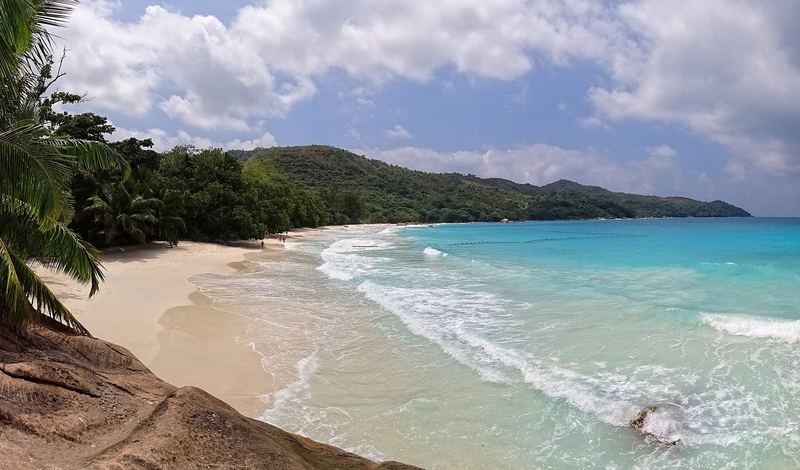
The short answer is water you can actually use. Many tropical islands have beautiful beaches with rough surf or steep drop-offs. In Mauritius the reef does the work, so the lagoon in front of most resorts is waist to chest deep for a long way out, warm all year and good for kayaks, paddleboards and lazy snorkeling.
The longer answer is variety within a small space. The island is roughly 40 miles long. From a beach hotel you can be hiking a rainforest trail in Black River Gorges, tasting rum at a distillery in Chamarel or bargaining for spices in the Port Louis market within an hour. The population mixes Indian, African, Chinese and French roots, so the food is better and more varied than at most resort destinations.
It suits couples who want polish without a fixed program. Half-board resort stays are the norm, the hotels are used to honeymooners and many add small touches such as a private dinner on the sand for couples who mention the occasion when booking.
Best Time to Visit
Mauritius has two seasons. Both work for a honeymoon with some tradeoffs. Summer runs from about November to April. It is hot and humid, the water is at its warmest and short tropical downpours are common, especially from January to March. That is also cyclone season. Direct hits are not frequent, but a passing storm can mean two or three days of wind and rain, so travel insurance matters for trips in that window. Dengue flares up in some years, mostly in the hot, wet months, so pack repellent. If you're pregnant or hoping to be soon, check CDC travel health notices for Mauritius.
Winter, from May to October, is drier and cooler, with daytime highs in the mid 70s to around 80°F on the coast and cooler nights. The southeast trade winds blow hardest from June to August, which makes the east and south coasts breezy and the water a little choppy. The north and west are more sheltered then.
The sweet spots are April to early June and September to early December. October is usually the driest month. Christmas, New Year and European school holidays push resort prices to their peak.
Where to Go
Each coast has a different personality. Many couples split their stay between two of them.
Le Morne, on the southwest tip, is the most dramatic setting: a UNESCO-listed basalt mountain rising over a long lagoon, with a cluster of upscale resorts and some of the best kitesurfing in the Indian Ocean. The wider west coast around Tamarin and Flic en Flac gets the best sunsets.
Belle Mare and the east coast have the longest white beaches and several of the island's grandest resorts, plus boat trips to Île aux Cerfs. Mornings are bright, evenings quiet and the breeze keeps things cool.
Grand Baie in the north is the social side of the island, with calm water, restaurants, catamaran day trips to the northern islets and easy access to Pamplemousses botanical garden.
Rodrigues is a separate island about 90 minutes away by plane, a slow and rustic add-on for couples who want hiking, octopus curry and an enormous empty lagoon.
The wild south coast around Gris Gris has no protecting reef in places. It is for looking at, not swimming.
Sample 10-Day Itinerary
Days 1 to 4: Arrive and head straight to Le Morne or the nearby west coast, roughly 75 to 90 minutes from the airport. Spend the first day recovering by the lagoon. Later, drive up to Chamarel for the Seven Coloured Earths and the waterfall, take a morning boat out to see dolphins off Tamarin and hike a Black River Gorges trail in the cool hours.
Days 5 to 7: Move north to Grand Baie, stopping in Port Louis for the Central Market and the Aapravasi Ghat immigration depot, then Pamplemousses garden. Book a full-day catamaran to the islets off the north coast and give yourselves one dinner out in town.
Days 8 to 10: Finish on the east coast at Belle Mare, close to the airport for the long flight home. Take a boat to Île aux Cerfs early before the crowds arrive, book a spa afternoon and let the last night be slow.
With 14 days, add three nights on Rodrigues between the west and east coast stays.
Budget and Costs
Mauritius covers a wide range, though it leans upscale. All figures are approximate and swing with season.
Comfortable four-star beach hotels often run around $250 to $450 a night for two with breakfast or half board. The best-known five-star resorts typically start around $600 and can pass $1,500 a night in peak weeks, with villas higher still. Smaller guesthouses and self-catering apartments in places like Pereybère or Flic en Flac can cost well under $150.
Eating outside the resorts is cheap by comparison. Street snacks such as dholl puri cost a dollar or two. A good dinner for two at a local restaurant might be $40 to $80 with drinks. Half board is usually worth it at remote resorts where there is little nearby.
Catamaran day trips are often around $60 to $120 per person with lunch. A rental car can be around $30 to $50 a day. Round-trip economy flights from the US commonly fall in the $1,300 to $2,200 range per person depending on season and routing.
Getting There and Around
Flying from the US always involves at least one connection. Emirates through Dubai is the most popular routing from many US cities, with a long first leg and a shorter hop of about six and a half hours to Mauritius. Air France and Air Mauritius fly from Paris, British Airways from London, Turkish Airlines from Istanbul and several carriers from Johannesburg. A stopover of a night or two in Dubai, Paris or Cape Town breaks the journey nicely.
The airport sits in the southeast. Most resorts arrange transfers, which take anywhere from 30 minutes to the southeast coast to about 75 to 90 minutes to Le Morne or Grand Baie.
On the island, hiring a car gives the most freedom. Traffic drives on the left, roads are paved but narrow in places and the single north to south motorway makes crossing the island quick. Taxis have no meters, so agree the fare first or hire a driver for a full day of sightseeing. Buses are very cheap but slow.
Culture and Etiquette
Mauritius was uninhabited until the Dutch arrived in the 1600s. Every group that came after left a mark: French planters, enslaved Africans and Malagasy, Indian indentured laborers and Chinese traders. Roughly half the population is Hindu, with large Christian and Muslim communities, so festivals fill the calendar. Maha Shivaratri, usually in February or March, brings huge pilgrimages on foot to the sacred crater lake at Grand Bassin.
Remove your shoes and cover shoulders and knees when visiting temples or mosques. Away from resort beaches, swimwear belongs on the sand rather than in shops or villages.
English works everywhere for tourists, though French is often the first language of hotel staff and Creole is the language of the street. A simple bonzour goes a long way. Tipping is appreciated but not expected the way it is at home; leaving around 10 percent for good restaurant service is generous. Bargaining is limited to markets, where a modest discount is normal.
Quick tips
- Rent a car or hire a driver for a day or two; the island is small and some of the best food is outside the resorts.
- Pack water shoes. Sea urchins and coral rubble are common in the shallows of many lagoons.
- Plugs are mostly the UK three-pin type, so bring a Type G adapter.