Why Honeymoon on Pemba Island
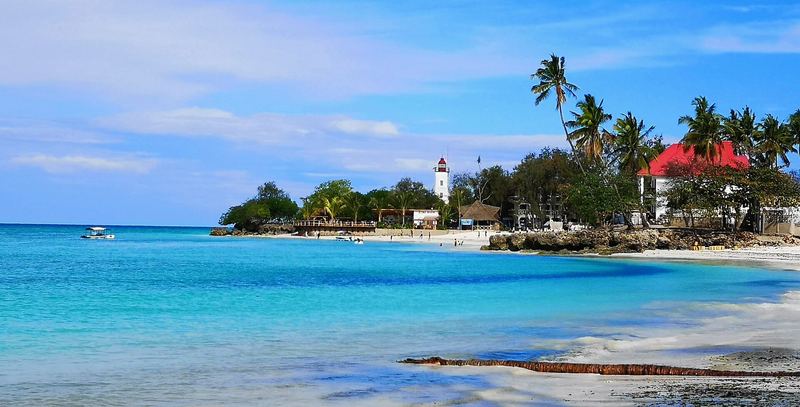
Pemba offers what Zanzibar had before it got busy: empty beaches, reefs with few boats and villages where tourism is a small part of life.
The diving is the strongest reason to come. Walls plunge into the Pemba Channel, a deep stretch of water about 50 km wide and the coral is in good shape, with turtles, rays, reef sharks and big pelagic fish. Misali Island, a small protected island off the west coast, has some of the best snorkeling, with a reef right off its beach.
On land, Pemba feels green and lived-in. It has millions of clove trees and you will smell them in drying season. There are forest reserves where you can look for the endemic Pemba flying fox, ancient Swahili ruins dating back many centuries and quiet fishing villages.
Lodges are few and small, so expect privacy and personal service rather than resort facilities. Couples who like water and solitude tend to love it.
When to Go
The best weather runs from June to October, when the island is dry and cooler with good diving visibility. December to February is hot and mostly dry with calm seas, often the best time for diving and lazy beach days.
November brings the short rains, usually in brief bursts. The long rains fall from about March to May and many lodges close in April and May as roads turn muddy and boat trips are often cancelled. Humidity is high in the wet season.
If you are pairing Pemba with a safari, June to October lines up with the dry season in the Serengeti, Ruaha and Nyerere. Clove harvest season varies, but it often runs in the second half of the year, when drying cloves scent the roadsides. Ask your lodge for local timing.
Where to Stay
Pemba has only a few lodges, which is part of the appeal.
Fundu Lagoon, on a peninsula in the southwest reached by boat, has long been the island's best-known boutique hotel, with thatched rooms on the hillside and a jetty bar for sunset. The Manta Resort, in the far north near Vumawimbi Beach, is known for its underwater room, a floating structure moored over the reef where you sleep below the waterline; it books out early and costs well above the standard rooms. A few smaller eco-lodges and guesthouses cover the middle of the range.
Expect roughly $300 to $900 per night for two at the better lodges, often with full board and much more for special rooms (approximate). Confirm what is included, since diving and excursions are usually extra. Check whether your lodge is reachable only by boat, which is part of the charm but affects luggage and timing.
Romantic Things to Do
Dive the walls. Pemba's drop-offs suit experienced divers and lodges with dive centers can arrange trips to the best sites. Beginners can learn in the shallow lagoons and progress to easy reef dives.
Snorkel at Misali Island, a marine conservation area with clear water and coral close to shore. Tide timing matters, so go when your boatman suggests.
Take a dhow at sunset along the mangrove channels. Many lodges offer sunset cruises with drinks on board.
Walk through a clove plantation and village with a local guide to learn how cloves are grown, picked and dried. Visit Ngezi Forest in the north for indigenous forest walks and look for Pemba flying foxes at dusk in roost areas. Explore ancient Swahili ruins at Ras Mkumbuu or Chwaka. In the far north, Vumawimbi Beach is a long stretch of sand that is often deserted.
Getting There and Around
There are no nonstop flights from the US to Tanzania. Most couples connect via Amsterdam, Doha, Dubai, Istanbul or Addis Ababa into Zanzibar (ZNZ), Dar es Salaam (DAR) or Kilimanjaro (JRO).
From Zanzibar, light aircraft reach Pemba Karume Airport (PMA) near Chake Chake in about 30 minutes. There are also flights from Dar es Salaam and Arusha, which makes it possible to fly straight from a northern safari. Ferries run between Zanzibar and Pemba, but schedules and conditions vary and flying is easier.
On the island, roads are narrow and winding. Lodges arrange transfers, which can take an hour or more depending on your location and some include a boat leg. Driving yourself is not recommended. Light aircraft have strict luggage limits, usually around 15 to 20 kg each in soft bags.
Food and Drink
Expect Swahili cooking with a strong spice accent. Cloves, cinnamon, cardamom and black pepper show up in pilau rice and curries. Seafood is fresh: octopus, lobster, prawns and reef fish grilled or cooked in coconut sauce.
Try local snacks such as mandazi and chapati and drink fresh coconut water or spiced tea. Tropical fruits including mango, jackfruit and passion fruit are abundant in season.
Pemba is a conservative, overwhelmingly Muslim island. Alcohol is available at lodges but rarely elsewhere. During Ramadan, avoid eating or drinking in public during daylight. Drinking water is filtered or bottled. Many lodges make a feature of beach dinners or private meals on a jetty, so ask for one if you are celebrating.
Honeymoon Tips
- Read the State Department's Tanzania advisory before booking and again before departure. Watch for political tension if your dates coincide with elections.
- Malaria is present. Take prophylaxis on medical advice and use repellent at dusk. If you're pregnant or hoping to be soon, check CDC travel health notices.
- Dress modestly off the lodge grounds: both partners should cover shoulders and knees. Public displays of affection are best kept for the lodge.
- Many lodges close during the long rains. Check opening dates before you book.
- Bring cash in small US dollar bills and Tanzanian shillings. ATMs are few.
- Pack reef-safe sunscreen and a rash guard; the sun is strong on the water.
- Combine Pemba with Zanzibar's Stone Town for a night of culture before or after.