



































Italy
Mediterranean

Honeymoon in Italy

La dolce vita for two: cliffs, lakes, vineyards and canals in one trip.

26 destinations26 stays
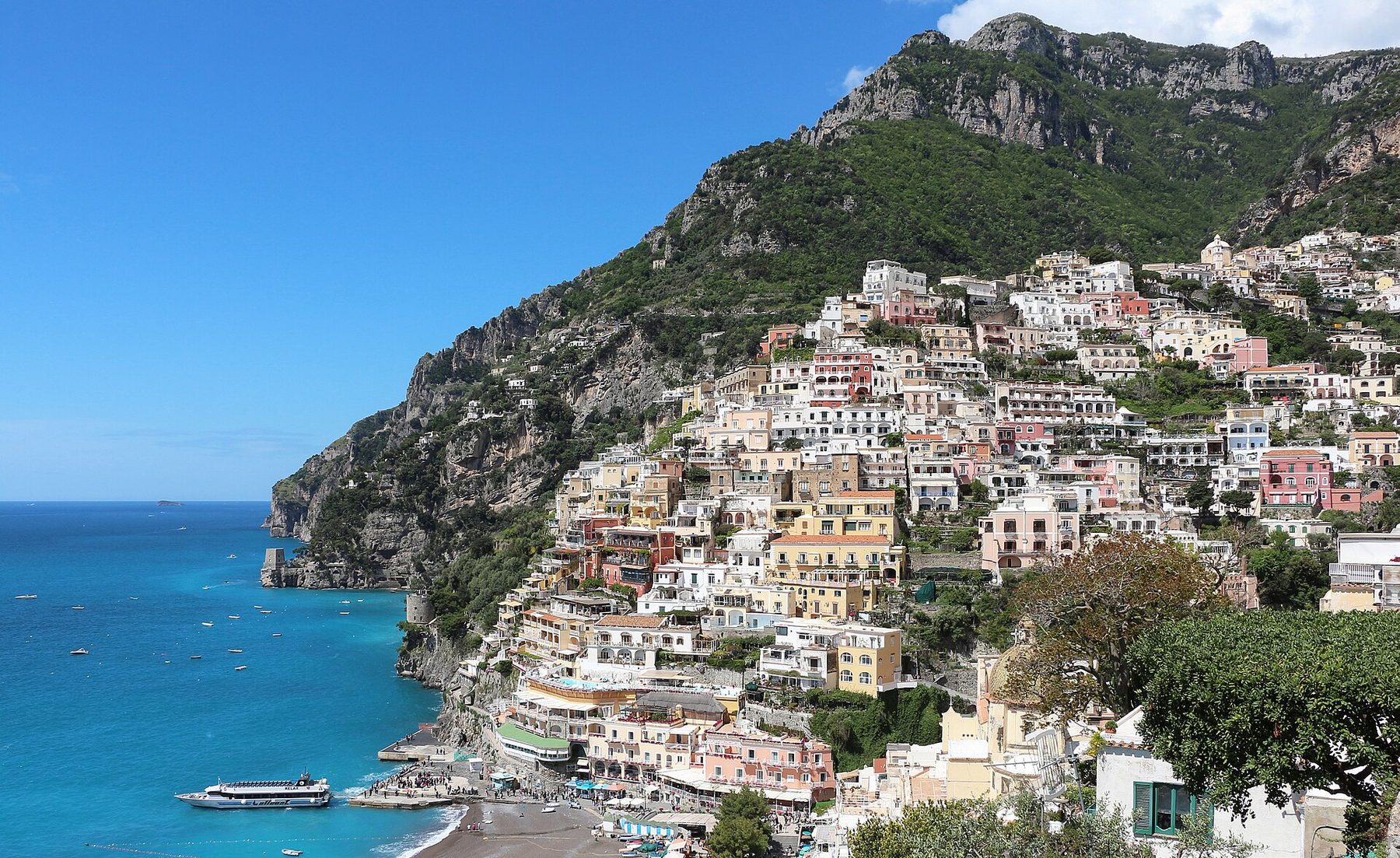
Photo: Positano (Italy) 03 · Bernard Gagnon · CC BY 4.0
The short answer

Italy is one of the easiest honeymoon wins there is: Amalfi cliffs, Lake Como villas, Tuscan vineyards and Venice canals, all linked by fast trains. May, June and September are best; many Amalfi and Como hotels close from about November to March. Plan 10 to 14 nights with at least three per base. Luxury hotels run from several hundred dollars to well over $1,500 a night in peak season. Don't miss a private boat day along the Amalfi Coast.

Best for
  • Couples who live for food and wine
  • First-time Europe honeymooners
  • Pairs mixing coast, lakes and cities
Maybe skip it if
  • You want quiet, uncrowded summer sights
  • You'd rather stay in one place

Few countries reward a honeymoon the way Italy does. Within a single trip you can wake above the lemon terraces of the Amalfi Coast, glide past grand villas on Lake Como in a vintage wooden boat, sip Brunello among the cypresses of Tuscany and drift beneath the bridges of Venice by gondola at dusk. Each region has its own landscape, cuisine and rhythm. Together they add up to a journey that feels like a collection of love stories.

What sets Italy apart is the way romance is woven into everyday life. Meals are long and convivial. Evenings begin with aperitivo on a terrace. Beauty is everywhere, from Renaissance frescoes to a simple plate of pasta made with care. Then there are some of the most storied hotels in the world, many of them family-run for generations. It is easy to see why so many American couples choose Italy for their first trip as newlyweds. This guide will help you pick your regions, time your trip and plan the logistics so you can simply enjoy la dolce vita together.

Best time for Italy

Peak months: January, February, March, April, May, June, July, August, September, October

BestGood / shoulderLow season (rain, heat, storms or closures)
Flights from the US
Nonstop to Rome (FCO), Milan (MXP) or Venice (VCE) from major US hubs; about 8–10 hours from the East Coast.
Currency
Euro (EUR)
Language
Italian; English common in hotels
Entry
Entry and visa rules depend on your citizenship and can change at short notice. Check the official government website for Italy and your own government's travel advice before you book.
Where to stay

Every Italy stay

Style
Illustrated impression of Le Sirenuse
Cliffside Suite
Amalfi Coast, Italy

Le Sirenuse

A family villa turned legend, where Positano glows below your balcony.

Cliffside Suites
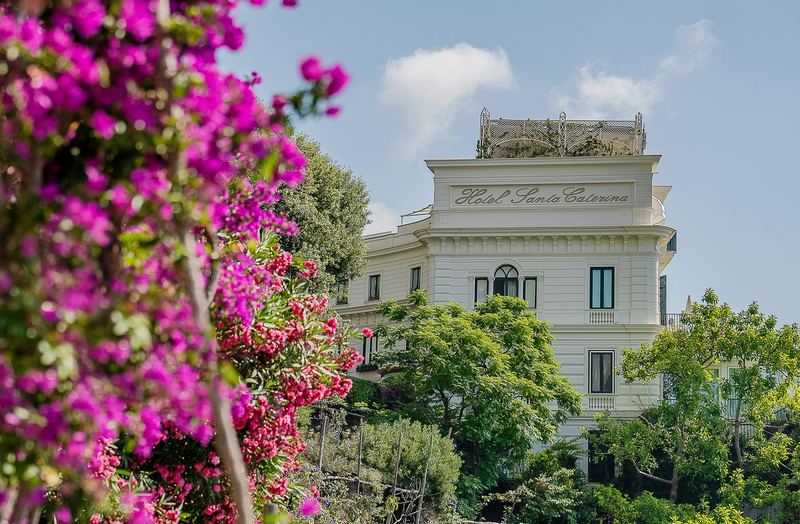
Hotel Santa Caterina
Cliffside Suite
Amalfi Coast, Italy

Hotel Santa Caterina

Lemon groves, a cliffside elevator and the sea waiting at the bottom.

Cliffside Suites
Caruso, A Belmond Hotel
Cliffside Suite
Amalfi Coast, Italy

Caruso, A Belmond Hotel

An 11th-century palazzo where the pool seems to spill into the sky.

Cliffside Suites
Illustrated impression of Monastero Santa Rosa Hotel & Spa
Cliffside Suite
Amalfi Coast, Italy

Monastero Santa Rosa Hotel & Spa

A 17th-century convent turned 20-room sanctuary, hanging over the sea.

Cliffside Suites
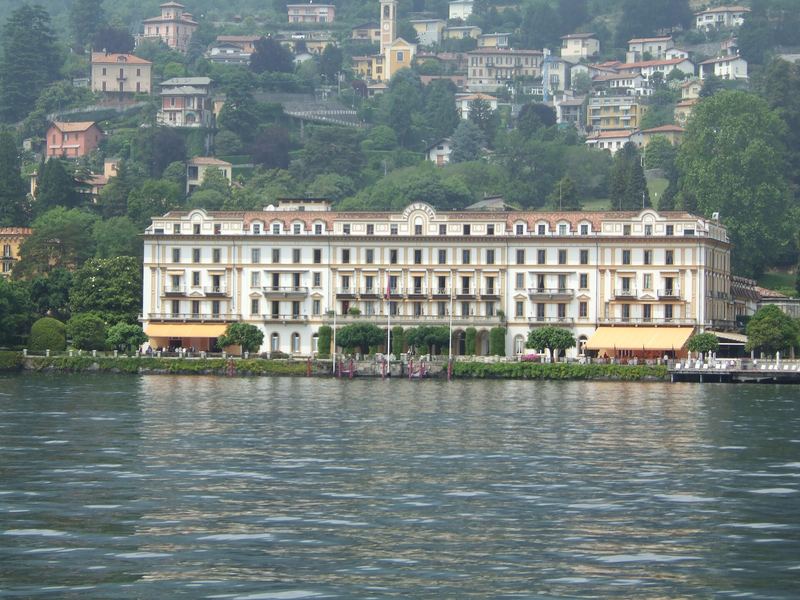
Villa d'Este
Historic Grand Hotel
Lake Como, Italy

Villa d'Este

A cardinal's Renaissance villa, a queen's retreat and Lake Como's grandest address.

Historic Grand Hotels
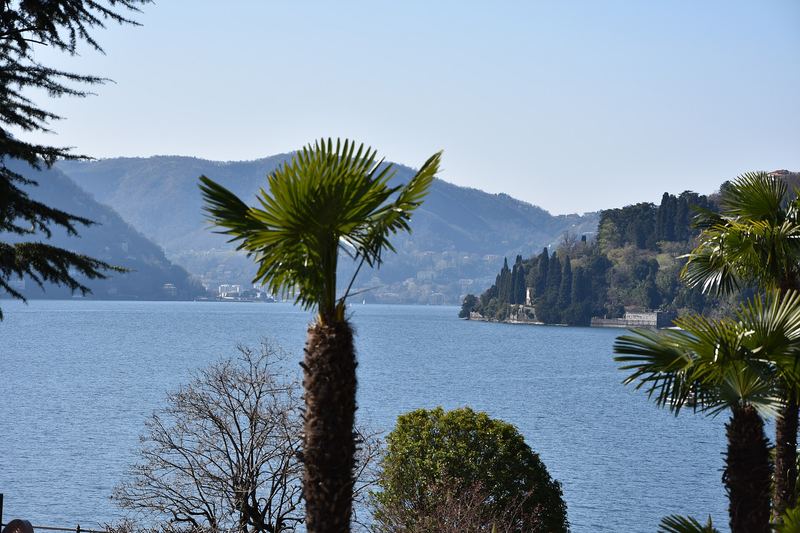
Passalacqua
Historic Grand Hotel
Lake Como, Italy

Passalacqua

Twenty-four rooms, a composer's villa and the art of doing nothing beautifully.

Historic Grand Hotels
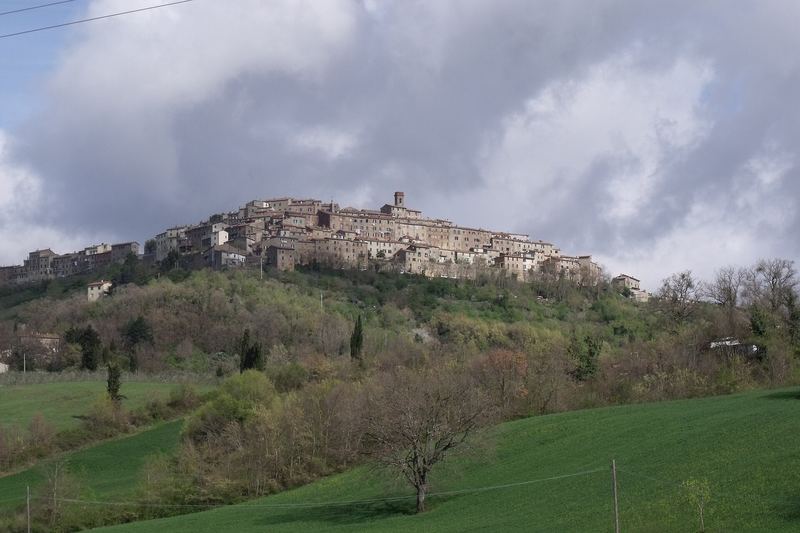
Borgo Santo Pietro
Vineyard & Countryside Estate
Tuscany, Italy

Borgo Santo Pietro

A medieval villa on a 300-acre organic farm, where dinner starts in the garden.

Vineyard & Countryside Estates
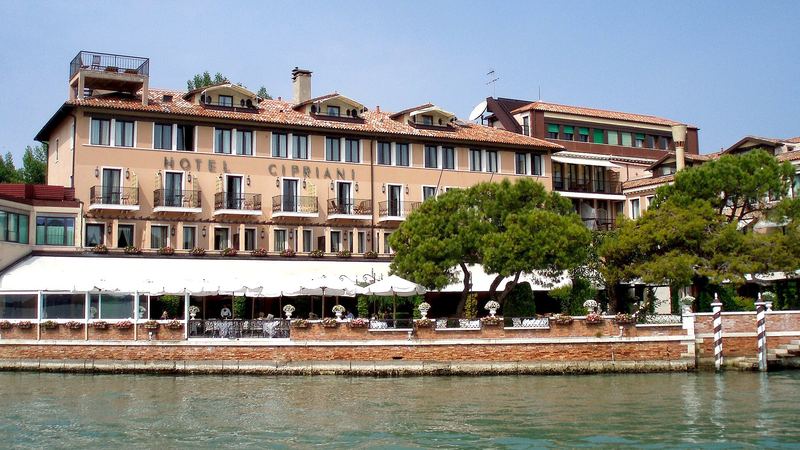
Hotel Cipriani, A Belmond Hotel
Historic Grand Hotel
Venice, Italy

Hotel Cipriani, A Belmond Hotel

Five minutes from St. Mark's by launch, a world away from the crowds.

Historic Grand Hotels
Illustrated impression of Capofaro Locanda & Malvasia
Vineyard & Countryside Estate
Aeolian Islands, Italy

Capofaro Locanda & Malvasia

Twenty-five rooms, a working vineyard and a lighthouse facing Stromboli

Vineyard & Countryside Estates
Illustrated impression of Hotel Caesar Augustus
Cliffside Suite
Capri, Italy

Hotel Caesar Augustus

A clifftop villa in Anacapri with the whole Bay of Naples below the pool

Cliffside Suites
Illustrated impression of Hotel Punta Tragara
Cliffside Suite
Capri, Italy

Hotel Punta Tragara

The Faraglioni from your terrace and the Piazzetta a short stroll away

Cliffside Suites
Illustrated impression of J.K. Place Capri
Historic Grand Hotel
Capri, Italy

J.K. Place Capri

A white seafront villa where Capri feels like a private house party for two

Historic Grand Hotels
Illustrated impression of Hotel Porto Roca
Cliffside Suite
Cinque Terre, Italy

Hotel Porto Roca

A cliff-top hotel above Monterosso with an infinity pool facing the Ligurian Sea

Cliffside Suites
Illustrated impression of Forestis
Cabins & Lodge
Dolomites, Italy

Forestis

Wood, stone and silence in the forest high above Brixen

Cabins & Lodges
Illustrated impression of Mezzatorre Hotel & Thermal Spa
Spa & Wellness Retreat
Ischia, Italy

Mezzatorre Hotel & Thermal Spa

A half-finished watchtower, a private thermal spring and Ischia's best sunsets

Spa & Wellness Retreats
Illustrated impression of Grand Hotel Fasano & Villa Principe
Historic Grand Hotel
Lake Garda, Italy

Grand Hotel Fasano & Villa Principe

An imperial hunting lodge on the water, with a Michelin star and a lakeside jetty

Historic Grand Hotels
Illustrated impression of Grand Hotel des Iles Borromées
Historic Grand Hotel
Lake Maggiore, Italy

Grand Hotel des Iles Borromées

Belle Époque grandeur on the Stresa shore, with the Borromean Islands outside the window

Historic Grand Hotels
Illustrated impression of Casa di Langa
Vineyard & Countryside Estate
Langhe, Italy

Casa di Langa

Thirty-nine terraces facing the Alta Langa hills, with Barolo country next door

Vineyard & Countryside Estates
Illustrated impression of Hotel Santavenere
Cliffside Suite
Maratea, Italy

Hotel Santavenere

Twenty-six rooms in a clifftop garden above the quietest gulf in southern Italy

Cliffside Suites
Illustrated impression of Hotel Castel Fragsburg
Spa & Wellness Retreat
Merano, Italy

Hotel Castel Fragsburg

Twenty suites, a hilltop garden and the whole Merano valley below

Spa & Wellness Retreats
Illustrated impression of Splendido, A Belmond Hotel, Portofino
Historic Grand Hotel
Portofino, Italy

Splendido, A Belmond Hotel, Portofino

A former monastery in the olive groves above Portofino, freshly restored

Historic Grand Hotels
Illustrated impression of Masseria Torre Maizza, a Rocco Forte Hotel
Vineyard & Countryside Estate
Puglia, Italy

Masseria Torre Maizza, a Rocco Forte Hotel

A whitewashed 16th-century masseria in the olive groves near Savelletri

Vineyard & Countryside Estates
Illustrated impression of Hotel de Russie, a Rocco Forte Hotel
Historic Grand Hotel
Rome, Italy

Hotel de Russie, a Rocco Forte Hotel

A terraced Secret Garden in central Rome, between Piazza del Popolo and the Spanish Steps

Historic Grand Hotels
Illustrated impression of Su Gologone Experience Hotel
Vineyard & Countryside Estate
Sardinia, Italy

Su Gologone Experience Hotel

Craft, fire-roasted food and the Supramonte cliffs in Sardinia's heartland

Vineyard & Countryside Estates
Illustrated impression of Monaci delle Terre Nere
Vineyard & Countryside Estate
Sicily, Italy

Monaci delle Terre Nere

An 18th-century monks' estate on Etna's black soil, with organic vines and a quiet pool

Vineyard & Countryside Estates
Illustrated impression of Hotel Castello di Reschio
Historic Grand Hotel
Umbria, Italy

Hotel Castello di Reschio

A thousand-year-old castle, its own hills and a spa in the old wine cellars

Historic Grand Hotels

Why Italy for Your Honeymoon

Italy offers an unusual combination of variety and ease. In two weeks you can experience coastline, mountains, countryside and a city unlike any other, all linked by fast trains and short transfers. That variety means a honeymoon here never feels repetitive; each new base brings a different mood.

The food and wine alone would justify the trip. Every region has its own specialties, from Amalfi seafood and lemons to Tuscan steak and Lake Como perch. Dining is treated as an art. Italy also has a wealth of extraordinary hotels, from palazzi and converted monasteries to farm estates with Michelin-starred kitchens. Finally, it is accessible from the US, with nonstop flights to Rome, Milan and, seasonally, Venice from major American hubs, typically around eight to ten hours from the East Coast.

Best Time to Visit

For most honeymoons, the ideal months are May, June and September, with early October a close runner-up. The weather is warm without being oppressive, the sea is swimmable in the south, gardens are lush on the lakes and everything is open.

July and August are the hottest and busiest months, especially in cities and on the Amalfi Coast. Many Italians take their own holidays around Ferragosto in mid-August. Book far in advance if you travel then. April is lovely for cities and gardens, but the sea is cool.

From roughly November to March, many Amalfi Coast and Lake Como hotels close for the winter. That makes winter better suited to a city-focused trip, such as Venice, Florence and Rome, with cozy dinners and fewer crowds. Tuscany's autumn harvest and truffle season make September through November a wonderful time for food-focused couples.

Top Honeymoon Destinations

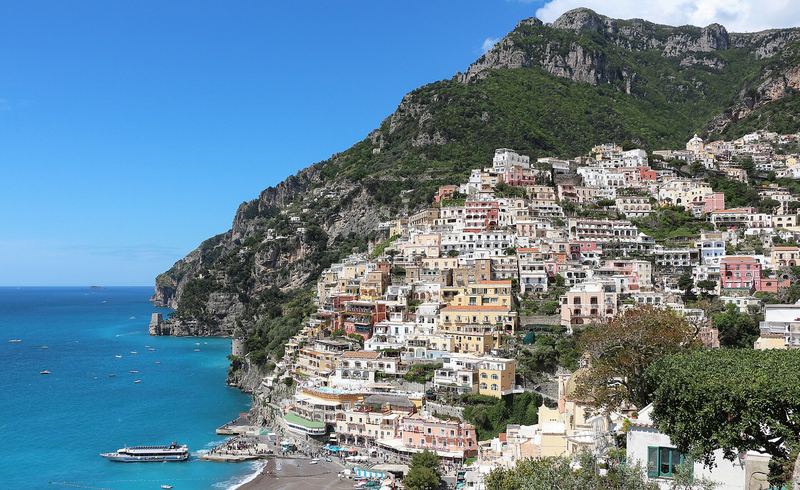
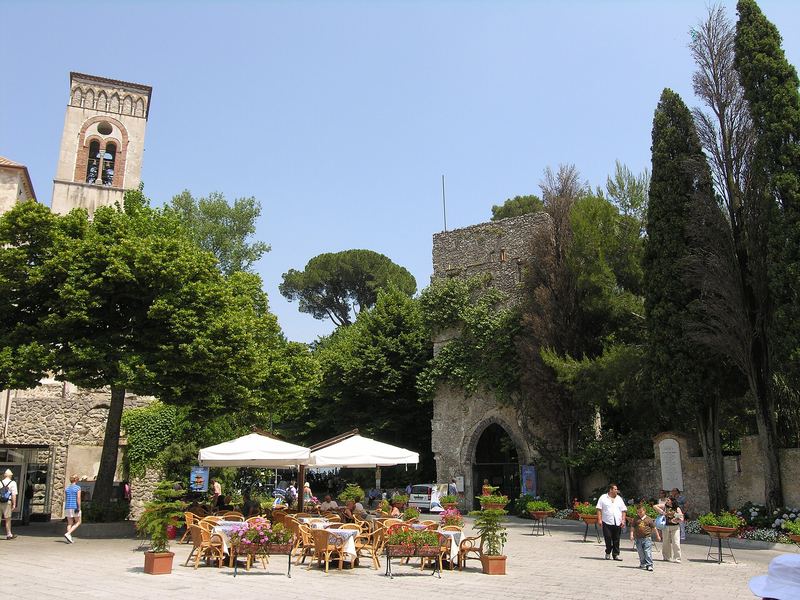
  • Amalfi Coast: Pastel villages stacked on cliffs above the sea, lemon groves and dramatic coastal roads. Choose Positano for glamour, Ravello for calm gardens and views, or the smaller villages for privacy. Our favorites include Le Sirenuse, Hotel Santa Caterina, Caruso and Monastero Santa Rosa.
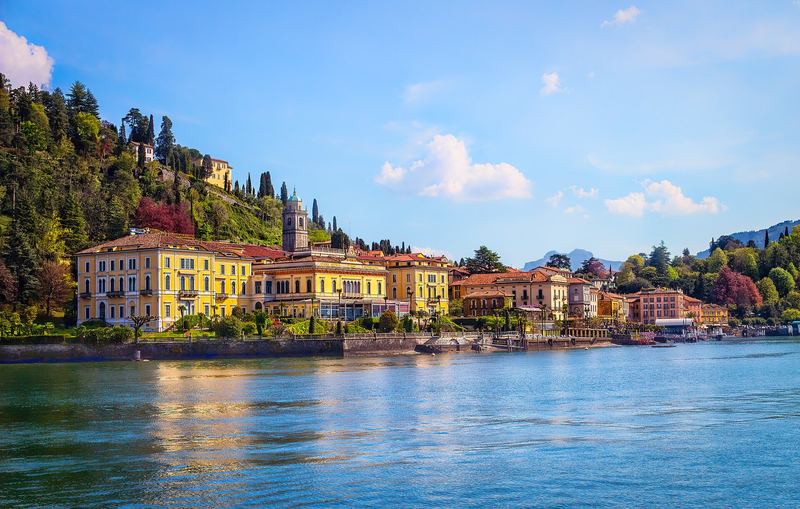
  • Lake Como: Grand villas, terraced gardens and wooden motorboats framed by the Alps, about an hour from Milan. Stay at the historic Villa d'Este or the intimate Passalacqua and spend your days cruising between villages.
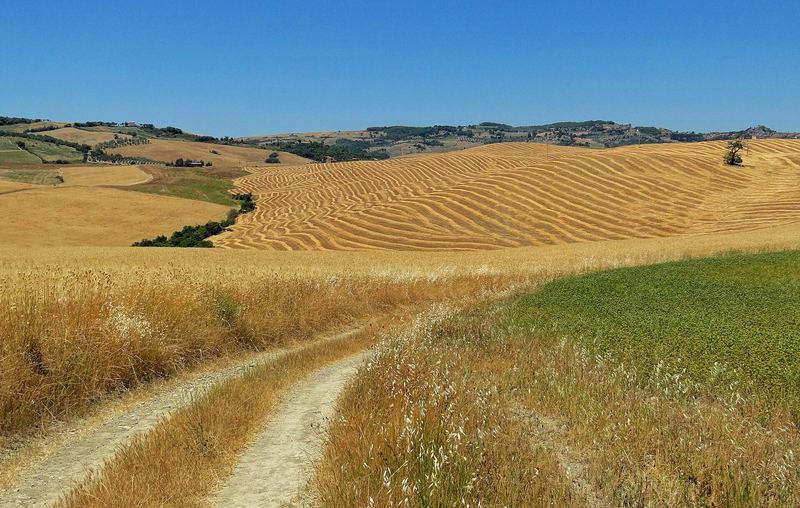
  • Tuscany: Rolling vineyards, medieval hill towns and some of Italy's greatest wines. Base yourselves in the countryside, at a wine estate or a restored villa such as Borgo Santo Pietro, then day-trip to Siena, Florence and the Val d'Orcia.
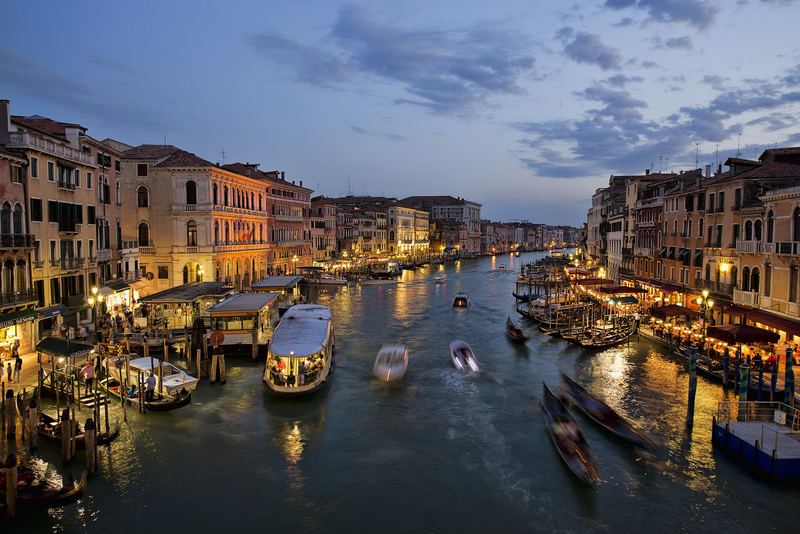
  • Venice: The floating city of canals, palaces and gondolas. Stay at least two nights to enjoy it early and late, ideally somewhere offering calm, such as Hotel Cipriani on Giudecca, which is currently closed, so check before booking.

How Long to Stay & Sample Itinerary

Ten to fourteen nights is ideal for combining two to four regions without rushing. As a rule, allow at least three nights per base to avoid spending your honeymoon in transit. With a week, choose two regions.

A classic 13-night honeymoon might look like this:

  • Nights 1 to 3, Venice: Fly into Venice, arrive by water taxi and explore by gondola and on foot.
  • Nights 4 to 6, Lake Como: Train to Milan, then transfer to the lake for boat days and villa gardens.
  • Nights 7 to 9, Tuscany: High-speed train to Florence, then on to a countryside estate for wine and hill towns.
  • Nights 10 to 13, Amalfi Coast: Train to Naples or Salerno, then a driver to the coast for boat days and sunsets.

Fly home from Naples or Rome. Booking an open-jaw ticket, arriving in one city and departing from another, saves you from backtracking.

Budget & Costs

All figures are approximate and vary widely with season and booking timing. Luxury hotels in Italy's top honeymoon regions typically range from several hundred dollars per night at boutique properties to well over $1,500 per night at the most famous addresses in peak season, with suites far higher. Shoulder months like May and late September often offer better value than July and August.

Dining can be anything from a casual trattoria lunch to a Michelin-starred tasting menu, so plan a mix. Private boat days, drivers and guided tours add up quickly; budget for at least one or two splurge experiences per region. High-speed trains between cities are reasonably priced, especially if booked in advance. Remember that most cities and towns charge a nightly tourist tax, usually paid at your hotel. Venice also charges a day-tripper access fee on certain dates, from which overnight guests have generally been exempt.

Practical Tips for US Travelers

  • Names: Book flights in the names exactly as they appear on your passports. If one of you is changing names after the wedding, travel on the current passport and update it once you are home.
  • Safety: Italy is generally comfortable for couples, including after dark in busy historic centers. The main nuisance is pickpocketing on crowded trains, buses and around major sights, so keep phones and wallets zipped away.
  • Currency: Italy uses the euro. Cards are widely accepted, but carry some cash for small cafes, tips and markets.
  • Power: Italy uses 230V power and Type C, F and L plugs, so bring an adapter.
  • Trains: High-speed trains connect Venice, Milan, Florence, Rome and Naples. Book ahead for the best fares. Validate paper tickets for regional trains before boarding.
  • Driving: Driving is best avoided in cities and along the Amalfi Coast. If you rent a car in Tuscany, carry an International Driving Permit along with your US license and watch for camera-enforced ZTL zones in historic centers.
  • Strikes: Transport strikes occasionally affect trains and ferries; check locally and keep some flexibility.
  • Tipping: It is not expected the way it is in the US. Many restaurants add a coperto cover charge; rounding up or leaving a few euros for great service is appreciated.

Culture & Etiquette

Italians value courtesy and a sense of occasion. Greet shopkeepers and staff with a cheerful buongiorno or buonasera and say grazie often. Dressing well is appreciated, especially at dinner; churches including St. Mark's Basilica expect shoulders and knees to be covered, so carry a light scarf.

Dining follows its own rhythm. Lunch is often from about 1 to 3 p.m. and dinner rarely before 8 p.m. Meals are meant to be savored. Ordering a cappuccino is a morning ritual; after lunch, locals usually switch to espresso. In smaller towns, shops may close for a long afternoon break and on Sundays.

Finally, embrace the slower pace. Service can feel unhurried compared with the US, but that is part of the charm. In Italy, time spent at the table is never wasted.

Quick tips

  • Many Amalfi Coast and Lake Como hotels close from about November to March.
  • Use trains between cities and a private driver for the Amalfi Coast.
  • Tipping isn't expected as in the US; a coperto (cover charge) is common.

Plan the rest

Make Italy effortless

Experiences & tours

Sunset cruises, snorkel trips, cooking classes and private guides. Most offer free cancellation.

Private airport transfers

A private driver waiting at arrivals with your name on a sign. No taxi lines after a long flight.

Stay connected (eSIM)

Install a travel eSIM before you fly so your phone works the moment you land, with no roaming bill.

Travel insurance

Compare trip-cancellation and travel-medical plans built for US travelers.

Flights

Search flexible fares and clever routings to your honeymoon gateway.

Trains, ferries & buses

Book trains, ferries and buses between towns and islands.

Flight delay compensation

Flight delayed or canceled to or from Europe? You may be owed compensation.

FAQ

Italy honeymoon FAQ

What is the best region of Italy for a honeymoon?

It depends on your style. The Amalfi Coast is ideal for sea views and glamour; Lake Como for elegance and calm; Tuscany for food, wine and countryside; Venice for unique city romance. Many couples combine two or three regions to experience Italy's variety in a single trip.

How many days do we need for an Italy honeymoon?

Ten to fourteen nights lets you comfortably combine three or four regions, with at least three nights in each. With one week, choose two regions, such as Venice and Lake Como or Tuscany and the Amalfi Coast. Avoid moving every night or two, since transfers eat into your time together.

When is the best time for an Italy honeymoon?

May, June and September offer the best balance of warm weather, open hotels and manageable crowds. July and August are hot and busy. Many Amalfi Coast and Lake Como hotels close from about November to March, making winter better for city-focused trips to Venice, Florence or Rome.

Do we need a car in Italy?

Usually not. Fast trains link major cities. On the Amalfi Coast and Lake Como, private drivers, ferries and boats are better options. A car is useful in rural Tuscany. If you rent one, carry an International Driving Permit with your US license and watch for restricted ZTL zones.

What is a good romantic splurge in Italy?

Charter a private boat for a day on the Amalfi Coast or around Capri, with swims in coves the ferries skip and a long lunch at a beach restaurant reached from the water. On Lake Como, a sunset ride in a classic wooden motorboat feels like an old film. In Venice, book a gondola for the two of you early in the morning or after dark, when the canals are quiet.

Should we tip in Italy?

Tipping is not obligatory as it is in the US. Many restaurants charge a coperto, a per-person cover charge. Some include service. Leaving a few euros or rounding up for excellent service is appreciated. For hotel porters, drivers and guides, a small tip is a kind gesture.

Honeymoon Huts is reader-supported. When you book through links on this page we may earn a commission, at no extra cost to you. Our picks are editorially independent. How we earn money.