Why Honeymoon in Raja Ampat
The reefs are the reason. Even snorkeling from a resort jetty you can see soft corals, schools of fish, reef sharks and turtles. Divers come for manta rays, wobbegong sharks, pygmy seahorses and walls covered in fans.
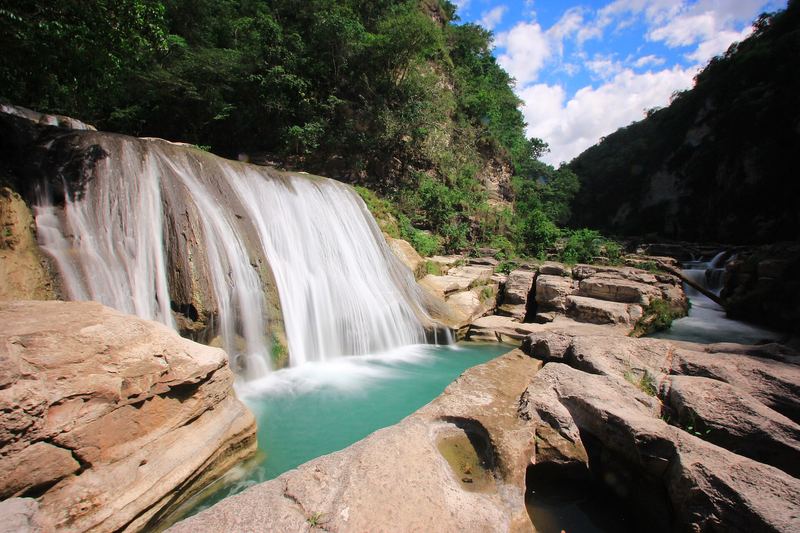
Above water it is just as striking. The karst lagoons at Piaynemo and Wayag, with mushroom-shaped islands scattered across turquoise water, are some of the most photographed views in Indonesia.
The remoteness gives the trip its romance. Resorts are small, often with only a handful of bungalows. Many run on solar power and buy fish and produce from nearby villages. You share a boat with a few other guests at most. After a week here, a crowded beach anywhere else will feel strange.
When to Go
Raja Ampat can be visited all year, but conditions vary by area. The most popular season runs from about October to April, when seas are generally calmer across the region and liveaboards run their main itineraries. Manta encounters are often good in these months.
From roughly June to September, southeasterly winds can make crossings rough, particularly in the south around Misool. Some resorts close for part of this period and fewer liveaboards operate. The northern Dampier Strait area is usually more sheltered.
Rain can fall at any time, often as short tropical showers. Water temperature stays warm all year. Visibility varies with plankton, which also attracts the mantas.
Book early for peak months. Resorts are small and liveaboard cabins can sell out a year ahead.
Where to Stay
There are three main ways to stay. Dive and eco resorts are the comfortable option. They range from simple wooden bungalows to polished over-water villas and usually include meals, transfers and boat trips in package rates. Misool, a resort on a private island in the south, is one of the best-known, built on a former shark-finning camp and now a center for marine conservation.
Homestays, run by local families on islands such as Kri, Gam and Arborek, offer simple huts on stilts, shared meals and a direct connection with Papuan life. They are basic, with limited electricity and shared bathrooms in many cases.
Liveaboards, many of them traditional wooden pinisi schooners, move between dive sites over a week or more. They reach far-flung areas resorts cannot and can be very romantic in a private cabin.
Romantic Things to Do
Climb to the viewpoint at Piaynemo. A wooden stairway leads up a karst island to a lookout over a maze of green islets and blue lagoons. It is a long speedboat ride from Waisai, so make it a full day.
Snorkel or dive with mantas. Sites near Arborek and elsewhere in the Dampier Strait are known for manta rays feeding or visiting cleaning stations. Your resort or dive operator will choose sites based on currents.
Rise before dawn for birdwatching. Local guides lead short walks to see the red bird of paradise and other species perform their courtship dances in the treetops.
Kayak through mangrove channels and karst corridors, swim with harmless jellyfish in a sheltered lake in Misool or simply lie in a hammock over the water.
Getting There and Around
Expect a long journey. From the US, most couples fly to Jakarta, Bali or another hub in Asia, then take a domestic flight to Sorong (SOQ) in West Papua, usually connecting through Jakarta or Makassar. Schedules change often, so leave generous connection time and consider a night in Jakarta or Bali on each side.
From Sorong, a public ferry crosses to Waisai, the main town of Raja Ampat, in about two hours. Most resorts and liveaboards arrange their own transfers by speedboat or meet guests at Sorong airport.
Visitors also pay a marine park fee, roughly IDR 1,000,000 per person at last report (approximate). Many resorts include it or buy it for you. Within the islands, boats are the only transport.
Food and Drink
Meals in Raja Ampat are almost always eaten where you sleep, so choose your resort or liveaboard with food in mind. Most serve a mix of Indonesian and Western dishes, with fresh fish, rice, vegetables and tropical fruit.
Papuan food is simple and local. Look for papeda, a sticky sago porridge served with yellow fish soup, a traditional staple in the region. Grilled fish with sambal is common at homestays.
Alcohol is limited and expensive. Some resorts serve beer and wine, but stock can run low. Ask before you arrive and bring duty-free bottles if your resort allows it.
Because supplies come in by boat, tell your resort in advance about dietary needs. Fresh water is usually provided, but bring a reusable bottle to reduce plastic.
Honeymoon Tips
Get certified before you go if you want to dive. Currents in Raja Ampat can be strong and many of the best sites suit experienced divers. Beginners can still enjoy excellent snorkeling.
Buy dive insurance and travel insurance that covers evacuation. Medical facilities are minimal and the nearest decompression chamber is far away.
Bring what you need. There are few shops outside Sorong and Waisai, so pack reef-safe sunscreen, medications, spare batteries and dry bags.
Allow buffer time. Domestic flights in eastern Indonesia are sometimes delayed or rescheduled. Ferries do not run on some public holidays.
Malaria is present in Papua, so talk to a travel doctor about prevention and pack repellent. If you're pregnant or hoping to be soon, check CDC travel health notices for Indonesia.