Arctic and Nordic Honeymoons
Glass igloos under the aurora in winter, fjord hotels under the midnight sun in summer
The Arctic and Nordic countries offer two honeymoons. You pick one by choosing a month. Come between late autumn and March and the trip is about snow, saunas and the northern lights, seen from a glass igloo in Finnish Lapland or a fishing cabin in the Lofoten Islands. Come in June or July and the sun barely sets, so you can hike above a fjord at ten in the evening and still eat dinner on a dock in daylight.
This hub covers Iceland, Norway, Finland, Sweden, the Faroe Islands, Greenland, Svalbard and the Åland Islands. Iceland is the shortest flight from the East Coast and the easiest road trip. Norway has the fjords and the most variety. Finland and Sweden do Lapland design hotels in winter and lake or archipelago cabins with private saunas in summer. Greenland, Svalbard and the Faroes are for couples who want real remoteness and are happy to let the weather set the plan.
Every country here is expensive and none of it is a beach trip. What you get instead is space, quiet and landscapes few friends back home will have seen. Pick your season first, then the country.
Arctic & Nordics covers 8 countries and territories on Honeymoon Huts, with 33 destination guides and 19 hand-picked stays. The months when the most places here hit their best weather are July, August and June.
Start with the most popular picks below, then browse every country. Each country page covers flights, the best time to go and where to stay.
Arctic & Nordics A to Z
Faroe Islands
Finland
Greenland
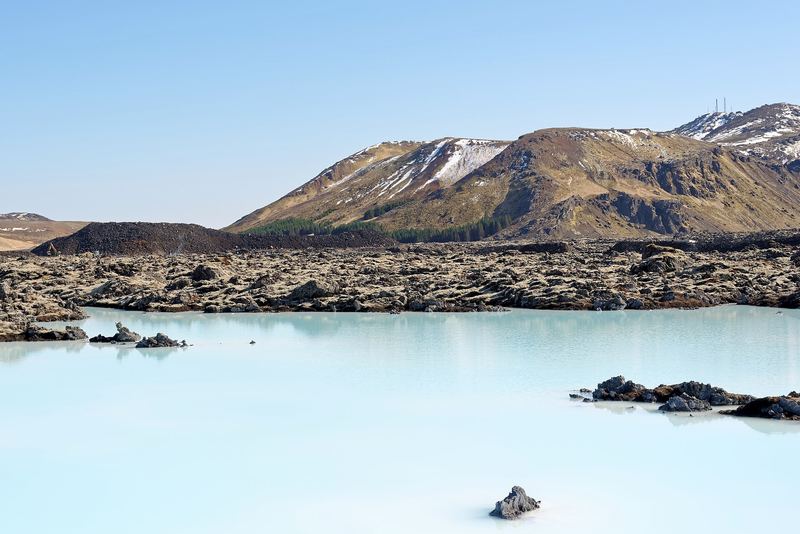
Iceland
Norway
Svalbard
Sweden
Åland Islands
Finland: Finnish Lapland, Finnish Lakeland, Helsinki, Ruka & Kuusamo, Turku Archipelago
Iceland: Reykjanes Peninsula, Golden Circle & South Coast, East Fjords, Icelandic Highlands, North Iceland, Reykjavík, Snæfellsnes Peninsula, Southeast Iceland & Jökulsárlón
Norway: Ålesund, Bergen, Flåm, Geirangerfjord, Hardangerfjord, Lofoten Islands, Oslo, Senja, Stavanger & Lysefjord, Tromsø
Sweden: Swedish Lapland, Bohuslän Coast, Gotland, Österlen, Stockholm & Archipelago
How to Choose a Nordic Country
- Iceland: volcanic landscapes, waterfalls and geothermal lagoons, a short flight from the East Coast. The best choice for a first Arctic trip or a self-drive honeymoon.
- Norway: fjords in summer, the aurora in Tromsø and the Lofoten Islands in winter. The widest range of scenery in the region.
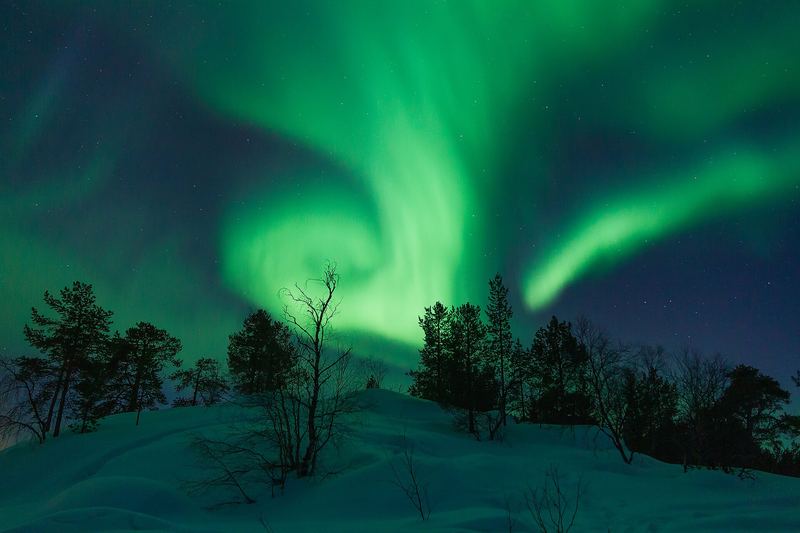
- Finland: glass igloos and husky safaris in Lapland, lake cabins in summer and a sauna culture that runs through everything. The easiest winter aurora trip, with most logistics handled by the lodge.
- Sweden: design-led hotels in Swedish Lapland, from treetop rooms to a hotel carved from river ice every winter, plus Stockholm's archipelago in summer.
- Greenland and Svalbard: icebergs, sled dogs and polar wilderness for adventurous couples with a bigger budget.
- Faroe Islands and Åland Islands: small, quiet island groups. The Faroes are for cliff hikes and moody weather, Åland for cycling, red cottages and Baltic swims.
With a week or less, stick to one country. Distances are long and winter weather can close roads and ground flights, so a single base or two close together keeps the trip relaxed.
Aurora Season or Midnight Sun
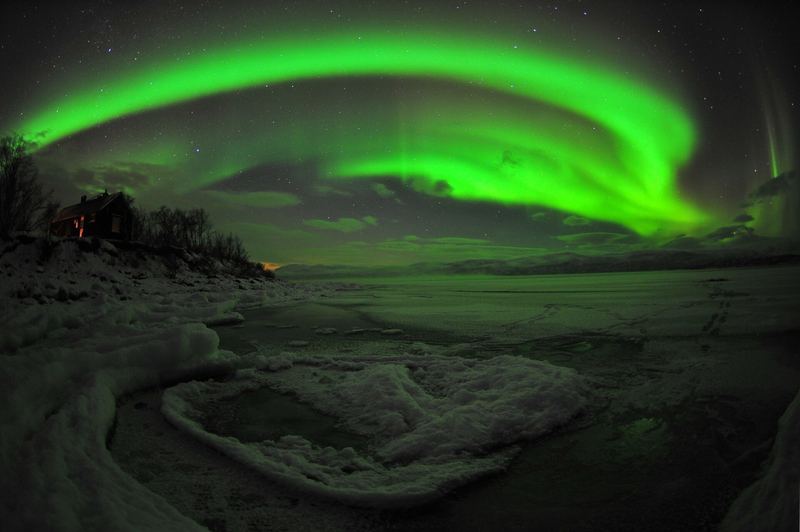
The northern lights need darkness, so aurora season runs roughly from September to March. Late February and March are the favorite weeks for many couples in Lapland, Tromsø and Lofoten: deep snow, good aurora odds and returning daylight for dog sledding and snowshoeing. December brings the polar night, cozy and festive but very short on light. In Iceland, aurora is possible from about September, though winter storms can close roads.
Summer, from June to August, brings the midnight sun north of the Arctic Circle and near round-the-clock daylight in Iceland. Fjord roads open, ferries run full schedules, puffins nest on the Faroes and Finland's lakes stay light until midnight. Greenland's boats run daily and the Åland Islands come fully alive. You will not see the aurora in these months.
The shoulder weeks have their own appeal. From late August, ruska turns the Finnish fells gold and the first auroras reflect in unfrozen lakes. In Svalbard, March to May is the sweet spot for snowmobiles and ice caves. Many of Norway's fjord hotels close from about October to April, so plan winter trips around the north.
Best for Northern Lights
Finnish Lapland is the original glass-igloo destination, with reindeer, husky safaris and wood-fired saunas between aurora nights. Swedish Lapland adds the Icehotel and Treehotel, two design stays you will not find anywhere else. Tromsø is the easiest Norwegian base, a real town with good restaurants where chasing the lights is part of the evening plan. The Lofoten Islands give you red fishing cabins under granite peaks and, on clear nights, the aurora over the sea.
North Iceland is darker and quieter than the south coast, with steaming lakes, thundering waterfalls and whales in the fjords. The Reykjanes Peninsula near the airport makes an easy first or last night with a geothermal soak and a chance of lights on the drive back.
For something rarer, Ilulissat in Greenland is a good late-winter aurora base near the icefjord. In Longyearbyen in Svalbard, the lights can appear in the middle of the day during the polar night. Neither is cheap and both need guides, but few honeymoon stories will match them.
Best for Fjords, Cliffs and Road Trips
Norway's fjord coast is the summer showpiece. Geirangerfjord has waterfalls, cliff farms and hairpin roads. Flåm sits on one of the narrowest fjords anywhere, with a mountain railway and a Viking-style brewpub. Hardangerfjord has orchards along the shore and cider in the glass. Bergen is the city base for all three, a wooden harbor ringed by seven mountains.
Iceland is the road-trip country. The Golden Circle & South Coast loop covers the rift valley at Þingvellir, the Strokkur geyser, Gullfoss and black-sand beaches, while the Snæfellsnes Peninsula puts a glacier volcano and seal beaches two hours from Reykjavík. Rent a car, check road conditions every morning and stay well back from the surf on black-sand beaches, where sneaker waves are deadly.
The Faroe Islands are for couples who love to hike. Tórshavn is a pocket-sized capital of turf roofs, an hour from the big sea cliffs, in weather that changes by the hour. Nuuk in Greenland sits at the mouth of a fjord system bigger than some countries, best explored by boat in summer.
Best for Saunas, Lakes and Slow Summers
Finnish Lakeland is the quiet pick: a cabin with your own sauna and dock, midnight swims and almost no plans. Helsinki ends a date night with a sauna and a cold Baltic plunge. In Sweden, Stockholm & Archipelago starts with fourteen city islands and keeps going by ferry, while the Bohuslän Coast offers pink granite, red fishing huts and oysters from a cold sea.
Mariehamn in the Åland Islands sits between Stockholm and Helsinki, a two-harbor town where you can rent bikes and hop between islands by ferry. Reykjavík is small enough to walk, with geothermal pools for the evenings and the Reykjanes Peninsula's lagoons close by.
These places suit couples who want a summer honeymoon without the heat. July highs in Åland sit near the high 60s Fahrenheit and the evenings seem to go on forever. Pair a lake or archipelago stay with a few days on a fjord or in the Icelandic highlands for contrast.
Easiest From the US
Iceland is the shortest hop. Nonstops reach Keflavík from many US cities in about 5 to 6 hours from the East Coast, so even a long weekend works. Helsinki has nonstop service from New York, with onward flights of about an hour and a half to Ivalo, Kittilä or Rovaniemi in Lapland. SAS flies nonstop from Newark to Oslo in about seven and a half hours. Stockholm also has nonstops from the New York area, with connections north to Luleå or Kiruna for Swedish Lapland.
Greenland has had a seasonal summer nonstop from Newark to Nuuk since 2025, about four and a half hours in the air. The rest of the year you route through Copenhagen or Reykjavík. Svalbard is about three hours north of Oslo. The Faroes connect through Copenhagen, Edinburgh or, in summer, Reykjavík. Åland is a short flight or ferry from Helsinki or Stockholm.
Entry and visa rules depend on your citizenship and can change at short notice, so check the official government website before you book. For Greenland, the Faroes and Svalbard, leave a buffer night in Copenhagen, Reykjavík or Oslo, since weather can hold small flights.
Budget Picks and Splurges
There are no true budget picks in the Arctic, only smarter ways to spend. Iceland, Norway, the Faroes, Greenland and Svalbard rank among the most expensive places to travel anywhere. A nice dinner for two with wine passes $150 easily in most of them. Glass igloos in Finnish Lapland and signature rooms at the Icehotel and Treehotel run from several hundred dollars to over a thousand a night in peak winter. Guided safaris add up quickly.
To stretch the budget, travel to Lapland in early December, March or the autumn ruska season, when rates drop. Book activity bundles or half-board packages at igloo resorts. Mix one splurge night in a design hotel with simpler warm rooms. In Iceland, supermarket picnics and duty-free wine bought on arrival help. Åland is the gentlest on the wallet here. For Greenland, packages from Danish and Icelandic operators can save real money.
The splurges worth planning around are a helicopter or glacier day in Greenland, a full-day snowmobile expedition in Svalbard and a night or two in an architect-built Lapland suite with the sky above the bed.
Safety, Weather and Advisories
This is one of the calmest corners of the world for travelers. Norway, Svalbard and Finland, whose advisory covers Åland, are rated Level 1 by the US State Department. Greenland and the Faroe Islands fall under the Kingdom of Denmark's Level 2 advisory, which reflects terrorism risk across Europe rather than anything specific to the islands. For Iceland and Sweden, check the current rating before you book.
The real hazards are natural. Winter storms close roads in Iceland and northern Norway, so build in buffer days. In Iceland, check road.is, safetravel.is and vedur.is every morning. Sneaker waves on the black-sand beaches are deadly and glaciers should only be walked with a certified guide. In Svalbard, polar bears roam outside Longyearbyen, so never pass the warning signs at the edge of town without an armed guide. Weather often delays flights and boats in Greenland and the Faroes, so avoid tight connections home.
Pack for winter properly: merino base layers, an insulated waterproof jacket and pants, wool socks, a hat and mittens. Many Lapland lodges and tour operators lend thermal suits and boots.
Combining Countries
The Nordic countries link easily by short flights and ferries, though winter weather argues for fewer moves.
- Iceland and Greenland: Reykjavík is a gateway to Greenland, so a few days on the Golden Circle & South Coast can lead into Ilulissat's icebergs.
- Norway and Svalbard: Tromsø for the aurora, then on to Longyearbyen for dog sledding under the polar night or the midnight sun.
- Finland and Sweden: Helsinki and the Finnish Lakeland, then a ferry across the Baltic by way of the Åland Islands to Stockholm & Archipelago.
- Norway's fjords and Iceland: Bergen and Flåm in June, then a flight to Reykjavík for lagoons and the south coast.
- Denmark and the Faroe Islands: Copenhagen first, then about two hours by air to Vágar and the cliffs.
- Finnish Lapland and Helsinki: igloo nights in the north, then a sauna and seafood finish in the capital before the nonstop home.
For a winter trip, keep it to two bases and leave a spare day before your flight home.
Arctic & Nordics Honeymoon FAQ
When is the best time to see the northern lights on a honeymoon?
Aurora season runs roughly from September to March. Late February and March are the favorite weeks in Finnish Lapland, Swedish Lapland, Tromsø and the Lofoten Islands, with deep snow, good aurora odds and more daylight for activities. December is the darkest and most festive month. Stay at least three or four nights to give clear skies a chance.
Is Iceland or Norway better for a honeymoon?
Iceland is easier: the flight is about 5 to 6 hours from the East Coast and a rental car opens up waterfalls, lagoons and black-sand beaches within a few hours of Reykjavík. Norway takes longer to reach but offers deeper scenery, with the fjords around Bergen and Flåm in summer and Tromsø or Lofoten for the aurora in winter. Both are expensive.
Is a glass igloo in Lapland worth the cost?
For many couples, yes, as a one or two night splurge. Lying in bed under the aurora is the image that sells Finnish Lapland. The resorts handle transfers, meals and safaris. Rates can pass a thousand dollars a night in peak weeks, so pair the igloo with a simpler cabin and travel in early December or March for better prices.
Can we see the northern lights in summer?
No. From about May to August, the far north has too much daylight, with the midnight sun keeping the sky bright through the night. That is a different and lovely honeymoon, built around fjord hikes, lake saunas and late dinners outdoors. If the aurora is essential, plan for September through March instead.
How cold is an Arctic honeymoon in winter?
Cold enough that clothing matters, though lodges make it comfortable. Lapland and northern Norway are often well below freezing. Svalbard can drop well below 0°F even in spring. Coastal Iceland and the Faroes are milder but windy and wet. Pack merino layers, an insulated waterproof jacket and mittens; many lodges lend thermal suits for safaris.
Do we need to rent a car in Iceland or Norway?
In Iceland, a rental car is the best way to see the Golden Circle & South Coast and the Snæfellsnes Peninsula, but check road conditions daily and never drive off-road. In Norway's fjords a car helps too, though trains, the Flåm Railway and ferries cover a lot. In Lapland, Svalbard and Greenland you rely on lodge transfers and guides.