Indian Ocean Honeymoons
A long flight, then an atoll, a granite cove or a lemur forest that feels like yours alone
Every Indian Ocean honeymoon begins with the same long day. No island in this region has a nonstop flight from the US, so plan on roughly 20 hours or more through Dubai, Doha, Istanbul, Paris or Johannesburg. The reward is water clearer than almost anywhere closer to home.
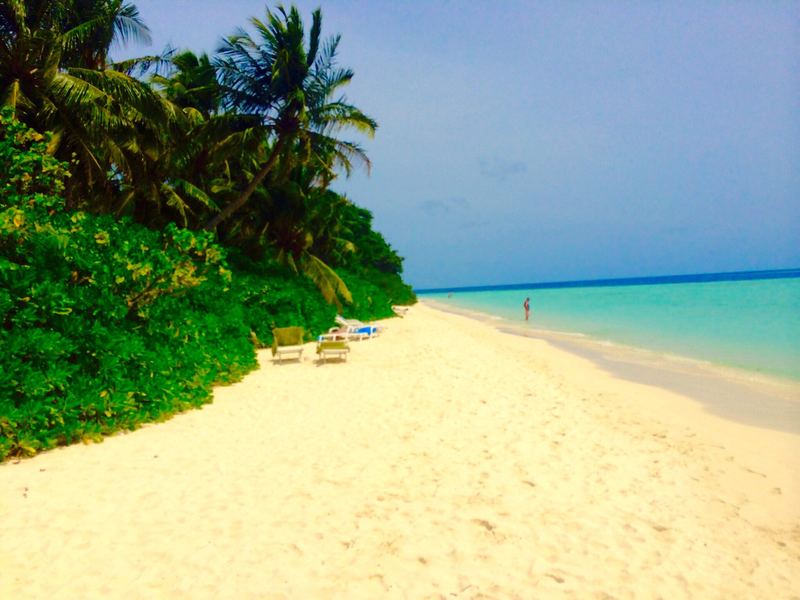
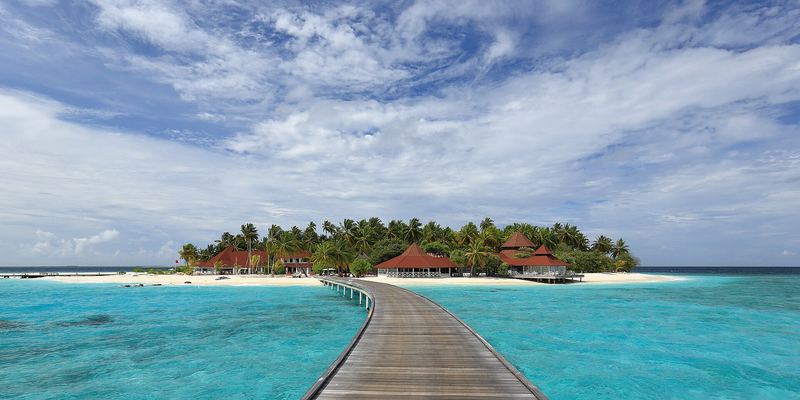
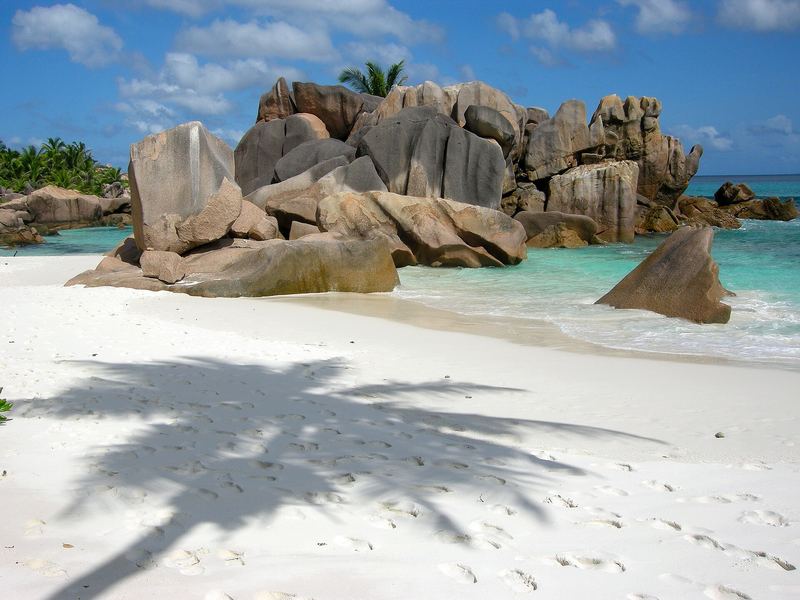
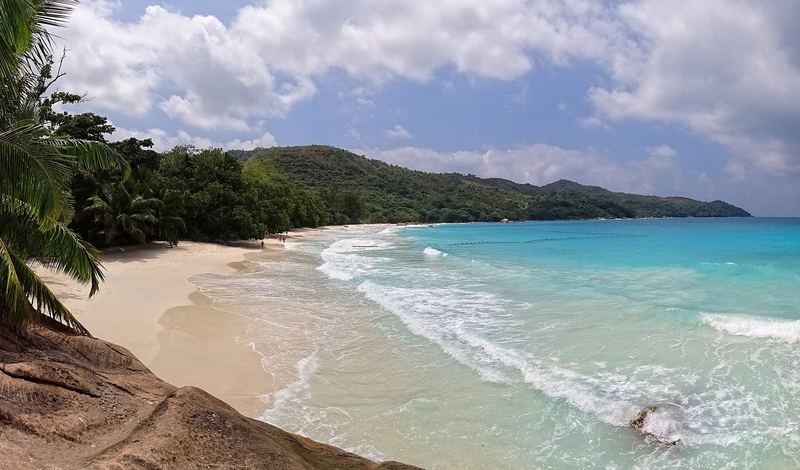
The Maldives is low coral atolls with one resort to an island. The Seychelles swaps that flatness for pink granite boulders and jungle peaks. Mauritius wraps a reef-calm lagoon around a lived-in country of markets, tea estates and Creole cooking, while French Réunion next door is mostly cliffs, cirques and a volcano that erupts every year or two. Madagascar is a wildlife trip first, with island beaches at Nosy Be and Île Sainte-Marie as the reward. The Comoros, Christmas Island and the Cocos (Keeling) Islands are for couples who want somewhere their friends have never heard of.
Start by deciding how much you want to do. If the answer is nothing, look east to the atolls. If you want hikes, lemurs and towns to wander between swims, look west.
Indian Ocean covers 8 countries and territories on Honeymoon Huts, with 28 destination guides and 24 hand-picked stays. The months when the most places here hit their best weather are October, April and May.
Start with the most popular picks below, then browse every country. Each country page covers flights, the best time to go and where to stay.
Indian Ocean A to Z
Christmas Island
Cocos (Keeling) Islands

Comoros
Madagascar
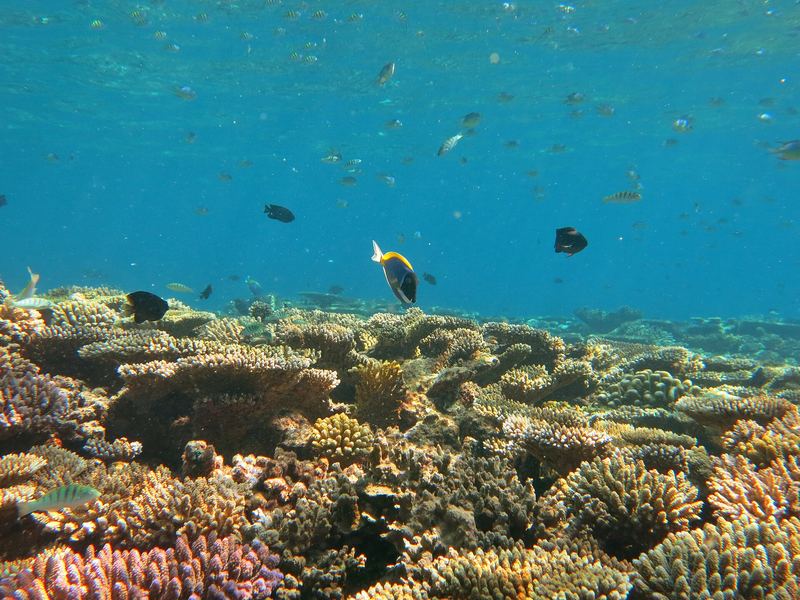
Maldives
Mauritius
Réunion
Seychelles
Christmas Island: Christmas Island National Park
Cocos (Keeling) Islands: Direction Island
Madagascar: Île Sainte-Marie, Morondava, Nosy Be
Maldives: Baa Atoll, North Malé Atoll, South Malé Atoll, Ari Atoll, Noonu Atoll, Huvadhoo Atoll (Gaafu), Laamu Atoll, Lhaviyani Atoll, Raa Atoll
Mauritius: Bel Ombre, Belle Mare, Flic en Flac & Wolmar, Grand Baie, Le Morne, Rodrigues
Seychelles: Praslin & La Digue, Seychelles Private Islands, Denis Island, Mahé, Seychelles Outer Islands, Silhouette Island
How to Choose an Indian Ocean Island
Think of the region as three styles of trip.
- Pure retreat: the Maldives and the Seychelles Private Islands. You arrive by seaplane, speedboat or helicopter and rarely leave the resort, so choose the resort as carefully as the atoll.
- Beach plus a real place: Mauritius, Mahé and Praslin & La Digue. The hotels are polished, yet you can rent a car, eat at a roadside stall, climb a peak or cycle to a cove.
- Expedition with comfort breaks: Madagascar, Réunion and the Comoros. Landscapes and wildlife are the point and the hotels are simpler, sometimes much simpler.
Christmas Island and the Cocos (Keeling) Islands sit apart from all three. These Australian territories, reached through Perth, suit couples who snorkel and watch wildlife more than they lounge.
One test: picture a rainy afternoon. On a small atoll island it means the spa. On Mauritius or Mahé it means a drive to a market or the drier side of the island.
Best Time to Go: Monsoons and Cyclones
The Maldives is driest from December to April under the northeast monsoon. June to September brings the wetter southwest monsoon, with short heavy bursts of rain, lower rates and manta season in Baa Atoll. The Seychelles sits outside the main cyclone belt; April to May and October to November bring the calmest seas.
Mauritius, Réunion, Madagascar and the Comoros follow a southern pattern. Roughly May to November is drier and cooler. December to April is hot and humid and doubles as cyclone season, with January to March the riskiest stretch. Humpback whales calve off Île Sainte-Marie and near Mohéli from about July to October.
Christmas Island is drier from about July to October, then its red crab migration starts with the first heavy wet-season rains. The Cocos (Keeling) Islands see their most reliable sunshine from August to December.
Best for Overwater Villas and Doing Nothing
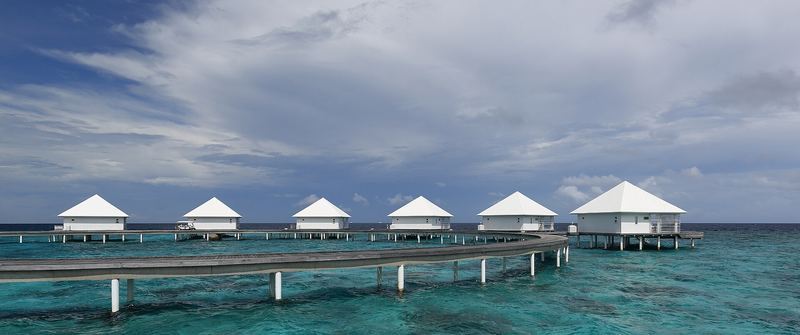
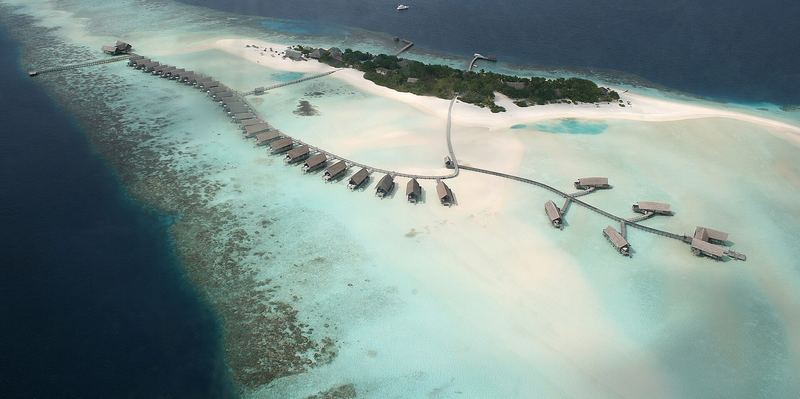
The Maldives sets the standard. North Malé Atoll and South Malé Atoll are a speedboat ride from the airport, so you can be in the lagoon by lunch without paying for a seaplane. Baa Atoll is a UNESCO Biosphere Reserve where manta rays gather in Hanifaru Bay for a few months each year. Ari Atoll is known for whale sharks in its southern reaches throughout the year. Noonu Atoll, about 45 minutes north, brings dark skies and spinner dolphins.
The Seychelles Private Islands give the same one-resort seclusion with a different look: replanted native forest, tortoises and beaches shared with nesting turtles.
On Mauritius, Le Morne has the most dramatic resort setting, a 556 meter basalt block over a wide jade lagoon. Belle Mare on the east coast has miles of white sand, early sunrises and some of the region's best-known hotels.
Best for Wildlife and Adventure
Madagascar is the headline. More than a hundred kinds of lemur live in its forests and most of its mammals, reptiles and plants exist nowhere else. Morondava has the Avenue of the Baobabs at sunset. Nosy Be is the gentlest entry point, with ylang-ylang hills, lemur islets and the widest choice of hotels in the country.
Réunion is the region's hiking island. Cilaos sits about 1,200 meters up inside a volcanic cirque, reached by a road of roughly 400 bends, with hot springs and trails to the island's highest summit.
In the water, swim with whale sharks in Ari Atoll, snorkel with hawksbill turtles off Praslin & La Digue or sit on a Mohéli beach at night while a turtle digs her nest. Christmas Island National Park adds red crabs and robber crabs. Direction Island in the Cocos (Keeling) Islands has a reef channel full of sharks and rays right off its famous beach.
Getting There From the US
Every route needs at least one connection.
- Maldives: through Doha, Dubai or Istanbul to Malé, often 20 hours or more, then a boat or seaplane.
- Seychelles: through Dubai, Doha or Addis Ababa to Mahé, about 20 hours or more from the East Coast.
- Mauritius: through Dubai, Paris, London, Istanbul or Johannesburg, roughly 20 to 26 hours.
- Réunion: about 11 hours from Paris or a 45 minute hop from Mauritius.
- Madagascar: through Paris, Istanbul, Addis Ababa, Nairobi, Dubai or Johannesburg, 22 to 30 hours.
- Christmas Island and the Cocos (Keeling) Islands: fly to an east coast Australian hub, connect to Perth, then take QantasLink.
Build in a buffer night on the way out; seaplanes fly only in daylight. Entry and visa rules depend on your citizenship and can change at short notice, so check the official government website before you book.
Budget Picks and Splurges
At the top, Maldives ultra-luxury resorts often start well above $1,500 a night in high season. Taxes, service charges and a per-person green tax can add roughly a quarter on top. The Seychelles Private Islands typically start well into four figures a night.
Mauritius is the region's value sweet spot. Comfortable four-star beach hotels often run about $250 to $450 a night for two with breakfast or half board. Réunion is priced like France, with good midrange hotels around €100 to €250.
Madagascar has comfortable lodges around $80 to $200 a night, though domestic flights and drivers add up. In the Seychelles, a guesthouse on Mahé or Praslin & La Digue for part of the stay, plus ferries instead of flights, stretches a budget a long way.
In the Maldives, a speedboat-transfer resort in North Malé Atoll or South Malé Atoll saves real money over a seaplane atoll.
Safety and Travel Advisories
None of the countries with advisory notes on our pages sits at Level 3 or 4, though several are at Level 2.
- Madagascar is Level 2 for crime, with some rural areas and road corridors to avoid. It was lowered from Level 3 in December 2025. Hire a driver rather than driving yourself.
- Mauritius is Level 2, mostly for petty theft.
- Réunion falls under the France advisory at Level 2, which mainly reflects terrorism and unrest in mainland France.
- The Comoros are Level 2 for crime and civil unrest and the US has no embassy there.
- Christmas Island and the Cocos (Keeling) Islands fall under the Australia advisory at Level 1.
For the Maldives and the Seychelles, check the current level on travel.state.gov before you book. Ask your doctor about malaria tablets for Madagascar and the Comoros. If you're pregnant or hoping to be soon, check CDC travel health notices for both before you book. On Réunion, swim only in the lagoon or netted zones because of sharks.
The Maldives has two faces. Resort islands are relaxed, while local islands are conservative and dry: alcohol is served only at resorts and on boats. Away from the designated bikini beaches, both of you should cover shoulders and knees.
Combining Islands
Long flights make two-stop trips popular. These pairings work.
- Mauritius and Réunion: under an hour apart by air. Spend four or five nights hiking from Cilaos, then finish at Le Morne or Belle Mare.
- Madagascar and Mauritius: Air Mauritius links Antananarivo with Mauritius. Do the lemurs and baobabs first, then end with resort comfort.
- Mahé and a private island: a few nights of Creole food and coast drives on Mahé or Praslin & La Digue, then the Seychelles Private Islands.
- Two Maldives resorts: one in North Malé Atoll for an easy start, then a seaplane to Baa Atoll or Noonu Atoll.
- Christmas Island and the Cocos (Keeling) Islands: linked by the weekly loop flight from Perth, forest and cliffs followed by a white-sand lagoon.
- Madagascar and Réunion: short regional flights link the two, so lemurs and baobabs pair neatly with hiking in Réunion's cirques.
Indian Ocean Honeymoon FAQ
Which is better for a honeymoon, the Maldives or the Seychelles?
Choose the Maldives for overwater villas, flat turquoise lagoons and a resort you never need to leave. Choose the Seychelles for granite boulders, forested peaks and the option to explore by ferry, car or bicycle. The Maldives is driest from December to April, while the Seychelles is calmest in April to May and October to November.
Are there nonstop flights from the US to the Indian Ocean islands?
No. Every island in the region needs at least one connection, usually through Dubai, Doha, Istanbul, Paris or Johannesburg. Plan on 20 hours or more. Christmas Island and the Cocos (Keeling) Islands are reached through Perth, which means a long flight to Australia first.
When is cyclone season in the Indian Ocean?
For Mauritius, Réunion, Madagascar and the Comoros it runs roughly December to April, with January to March the riskiest. Direct hits are not frequent, though a passing storm can mean two or three wet days. The Seychelles sits outside the main cyclone belt.
Is Mauritius a good value alternative to the Maldives?
Often, yes. Comfortable four-star beach hotels in Mauritius often cost about $250 to $450 a night for two. You can also eat well outside the resort for far less. The lagoon is calm and reef-protected, though you will not get the same overwater villas. Grand Baie and Belle Mare are good places to compare.
Can we see lemurs and still have a beach honeymoon?
Yes. Nosy Be off northwest Madagascar has lemur islets, coral reefs and the country's widest range of beach hotels. Île Sainte-Marie adds humpback whales from about July to September. Many couples spend a week on wildlife in Madagascar, then fly to Mauritius for a few nights of resort comfort.
How many nights should we spend in the Maldives?
Plan on at least six or seven nights to make the long journey worthwhile. With ten or more, split the stay between two resorts, such as an easy speedboat resort in North Malé Atoll and a seaplane resort in Baa Atoll. If your international flight lands after dark, book a night near Malé, since seaplanes fly only in daylight. For a more active trip, start with a few nights on Mauritius or in the Seychelles.