

Why Honeymoon in the Atacama
The Atacama gives you the drama of a national park with the comforts of a very good hotel. Within an hour of town you can stand on the cracked salt ridges of the Valley of the Moon, watch flamingos feed in Laguna Chaxa or climb to blue lagoons at more than 13,000 feet beneath snowy volcanoes.
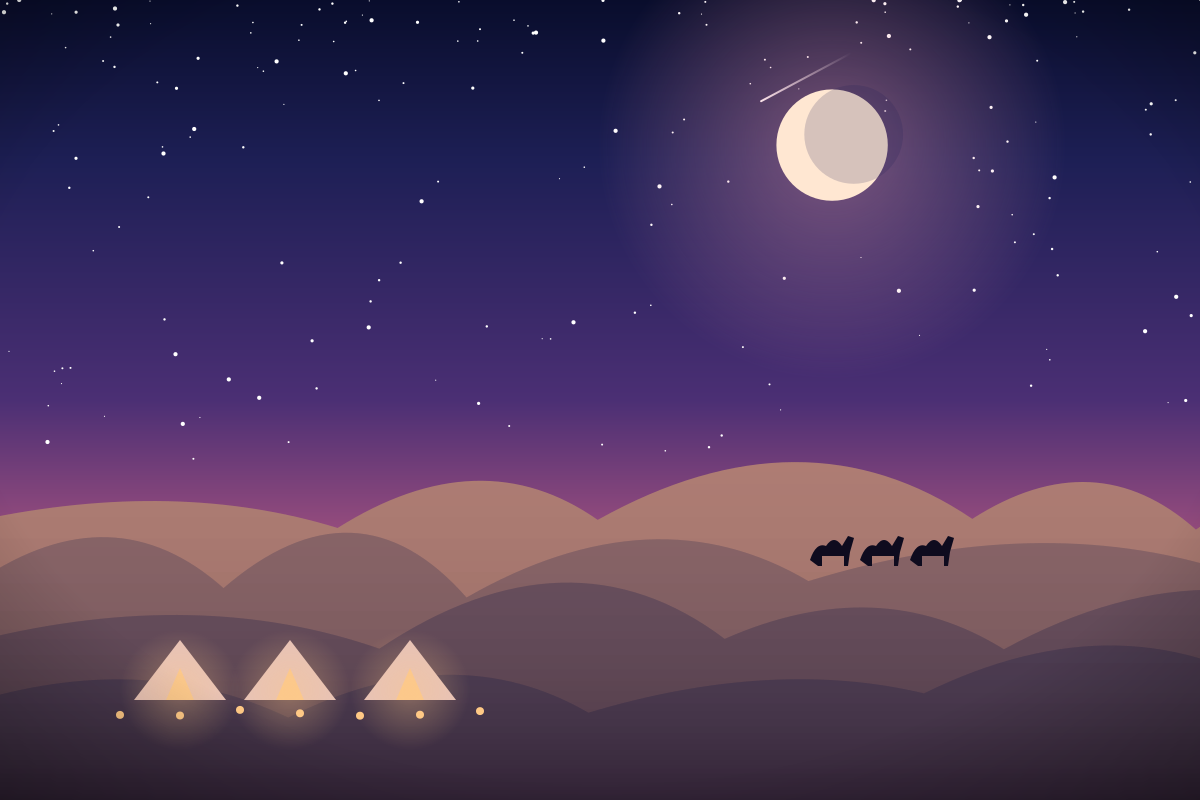
It is also one of the best places on earth to look at the night sky. Major international observatories are built in this region for that reason. Even with the naked eye the southern sky is a revelation for couples from North America: the Magellanic Clouds, the Southern Cross and a Milky Way bright enough to cast a glow.
The pace suits newlyweds. Excursions are short and guided, the lodges are quiet and the town is small enough to walk end to end in fifteen minutes for a pisco sour on Caracoles street.
When to Go
The Atacama is a year-round destination, though each season feels different. September through December is the sweet spot: sunny, warm days, cool nights and a full menu of excursions.
January and February bring the altiplanic winter, a pattern of afternoon storms over the high plateau. It rarely rains much in town, but roads to the high lagoons and El Tatio can close for a day or two. March to May is calm and golden with fewer visitors.
June to August is winter. Daytime is pleasant, close to 70 degrees in the sun, but nights drop below freezing and the geysers at dawn are bitterly cold. The upside is the clearest skies of the year.
Whatever the month, check the lunar calendar. Stargazing is far better within a few days of the new moon, so time your stay around it if the sky is a priority.
Where to Stay
Most honeymooners choose one of the all-inclusive lodges on the edge of town, where the rate covers meals, drinks, transfers and a daily choice of guided excursions.
Tierra Atacama is low-slung and contemporary with a good spa and views of Licancabur. Explora Atacama has its own observatory, horses and a series of pools. Awasi Atacama is the most private option, with a small number of adobe rooms and a private guide and vehicle for each couple. Nayara Alto Atacama sits in the Catarpe Valley a few minutes outside town, with terraced pools under red cliffs.
Couples on a tighter budget can book a boutique hotel in town and buy excursions locally, which costs far less. Just pick a place with good heating, since desert nights get cold. Also confirm it is a short walk from the center so evenings are easy.
Romantic Things to Do
Start with sunset in the Valley of the Moon, where the dunes and salt formations go from tan to rose to violet in about twenty minutes. Bring a jacket; the temperature drops fast.
One early morning should go to El Tatio, a geyser field at about 14,000 feet. Tours leave in the dark so you arrive as the steam columns are tallest against the first light. Many end with breakfast and a dip in a warm thermal pool.
At Laguna Cejar the water is saltier than the sea, so you float without effort while looking at the volcanoes. Afterward, Ojos del Salar and the Tebinquinche lagoon are classic sunset stops.
Save a night for a stargazing tour with telescopes. The ALMA radio observatory also runs weekend visits that need advance registration. For something slower, the Puritama hot springs follow a narrow canyon in a chain of warm natural pools.
Getting There and Around
Fly from Santiago to Calama, about two hours on LATAM, Sky or JetSMART. The drive to San Pedro takes around an hour and a half across open desert. All of the big lodges include the transfer. Shared shuttles meet most flights for couples staying in town.
Once here, you do not need a car. The lodges run their own excursions. In town several agencies sell tours to every major site. A rental is possible if you want independence, but the high-altitude roads are rough in places and distances are long.
Take the altitude seriously. San Pedro is high enough that some people feel tired or short of breath. Day trips climb above 13,000 feet. Plan the gentlest outings for your first day, drink plenty of water and go light on alcohol until you adjust. Bag thefts have also been reported on buses between Calama and San Pedro, so keep valuables with you.
Food and Drink
Food in San Pedro blends Andean ingredients with Chilean classics. Expect quinoa in salads and risottos, llama in stews or as a lean grilled steak and dishes seasoned with rica-rica, a local desert herb with a minty, citrusy edge. Rica-rica also turns up in sours and in ice cream.
The lodges serve multi-course dinners with Chilean wines poured freely, often with a Carménère or Syrah from the central valleys. In town, Caracoles street is lined with restaurants that have open courtyards and fire pits, which make a cozy setting on cold nights. Most offer set menus at lunch that are good value.
Many excursions end with a picnic or an outdoor bar set up by the guides, so you will toast sunsets with pisco sours on a salt flat. Drink more water than you think you need; between the dry air and the altitude, dehydration sneaks up quickly.
Honeymoon Tips
Pack for two climates. Days call for sunscreen, a hat and light layers, while dawn trips to the geysers need a down jacket, gloves and a warm hat even in summer.
Book three nights at minimum and four if you can. Many excursions start before sunrise or run into the evening. You need slack for a day lost to weather or altitude fatigue.
Tell your lodge when you book that you are on your honeymoon. Several will arrange private outings, a candlelit dinner or a stargazing session for two instead of the group version.
Cash is useful in town, where some shops and small restaurants prefer it, but ATMs can run empty during busy periods. Bring some Chilean pesos from Santiago or Calama.
Finally, protect your eyes. The sun at this altitude is intense. The white salt flats reflect it back up at you.