









Why Chile for a Honeymoon
Chile is one of the few places where a single trip can include a desert, a glacier and a vineyard lunch without anything feeling rushed. LATAM and the low-cost carriers Sky and JetSMART fly the length of the country, so the Atacama and Patagonia are each a short hop from Santiago.
The lodging is a big part of the appeal. Chile does the all-inclusive adventure lodge as well as anywhere, where the room rate covers meals, wine, guides and daily excursions chosen the night before over dinner. For a honeymoon that matters: nobody has to plan anything once you arrive. You spend the days hiking or riding horses with a small group instead of hunting for parking.
The country also rewards couples who like food and wine. Chilean Carménère, Syrah and coastal Sauvignon Blanc are excellent value. Seafood is the national strength, from sea bass ceviche to the abalone-like locos. Add a culture that is polite, unhurried and less touristy than Peru or Argentina. The result is a trip that feels personal.
Best Time to Visit
Seasons are reversed. The best overall window for a multi-region honeymoon is October through April, with December to March as peak season.
Patagonia is a summer destination. Torres del Paine lodges mostly operate from about September or October to April. January and February bring the longest days and the strongest wind. November and March are quieter, a little cooler and often better value.
The Atacama works all year. Days are warm and nights are cold at 7,900 feet. January and February can bring short summer storms to the high plateau that close some excursions. Winter, June to August, is crisp and clear with excellent stargazing.
Wine country is lovely from October through May. Harvest runs roughly March into April, when Santa Cruz in Colchagua hosts its grape harvest festival.
Easter Island is mild all year; February is busiest because of the Tapati festival. Santiago and the central valley can be smoggy from May to August, which is another reason to plan this trip for the southern summer.
Where to Go
Most couples combine two or three of these regions, linked by domestic flights through Santiago.
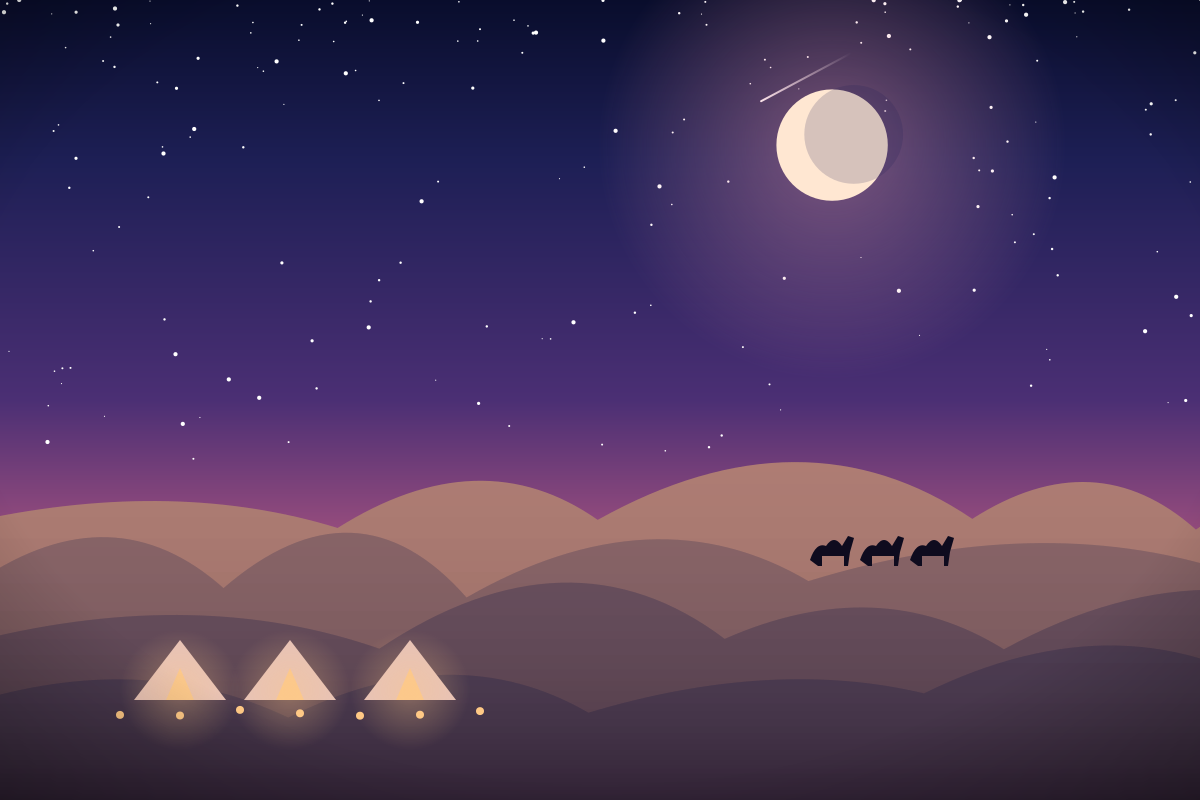
San Pedro de Atacama is the desert base, a low adobe town surrounded by salt flats, geysers and some of the clearest night skies anywhere. It is the easiest add-on, a two-hour flight from Santiago to Calama.
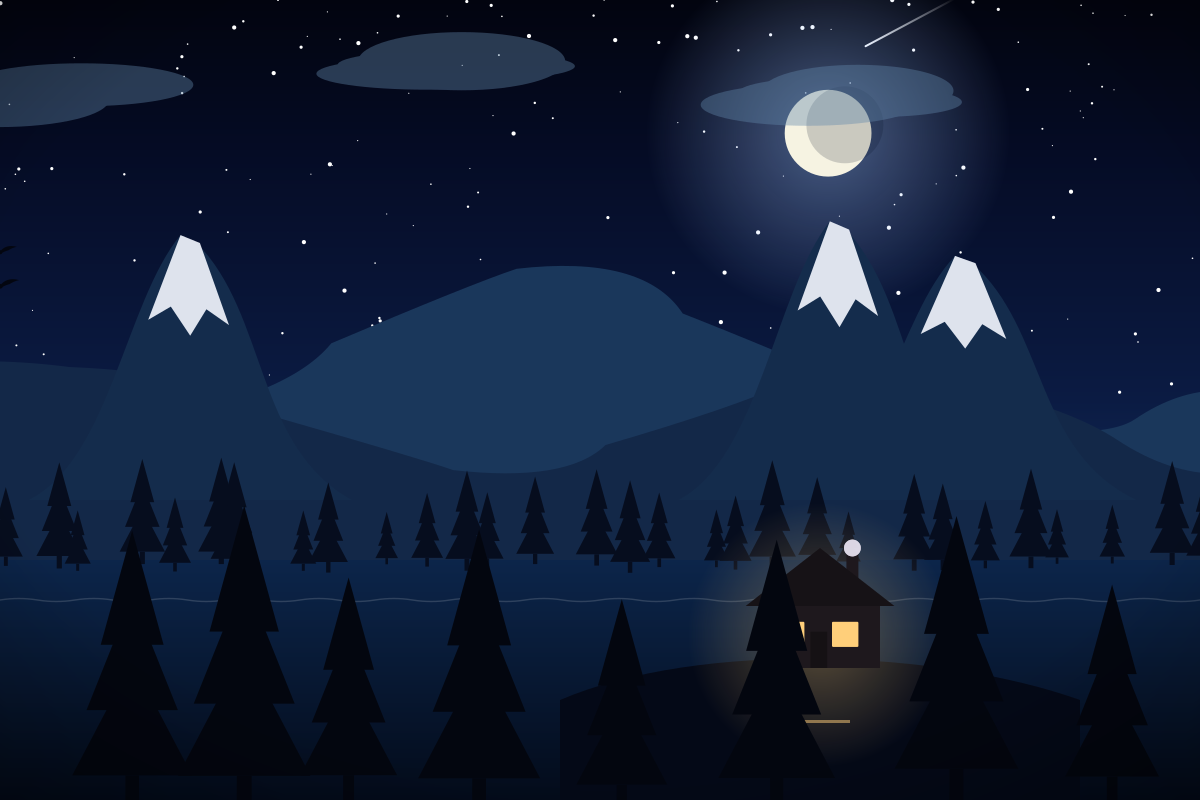
Torres del Paine is the headline of Chilean Patagonia: the three granite towers, turquoise lakes and Grey Glacier, with superb lodges inside or beside the park.
Easter Island, or Rapa Nui, is remote and unlike anywhere else, with moai platforms on a green volcanic island and one good beach at Anakena.
The Colchagua Valley is the red wine capital, two and a half hours south of Santiago, with winery hotels and long lunches.
Valparaíso is the bohemian port, all funiculars and murals. It makes an easy first or last stop near Santiago.
Puerto Varas sits on Lake Llanquihue facing Osorno Volcano and is the gentlest introduction to the Lake District.
Sample 10-Day Itinerary
This route balances desert, mountains and wine without overnight buses or long drives.
- Days 1–2: Land in Santiago in the morning and drive 90 minutes to Valparaíso. Ride the funiculars, eat seafood and catch sunset from Cerro Alegre.
- Days 3–5: Fly Santiago to Calama and transfer to San Pedro de Atacama. Watch sunset in the Valley of the Moon, float in Laguna Cejar and book a stargazing tour.
- Days 6–9: Fly to Punta Arenas or Puerto Natales (in season) and spend four nights in Torres del Paine. Hike to the base of the towers, take the boat to Grey Glacier and leave one day loose for weather.
- Day 10: Fly back to Santiago for the overnight flight home.
With 14 days, add three nights in Colchagua after Valparaíso or swap the desert for Easter Island. Couples who love wine should start in the vineyards and finish in Patagonia, so the hardest hiking comes when you are fully adjusted.
Budget and Costs
All figures are approximate and shift with season and exchange rates.
Chile is one of the more expensive countries in South America for travelers, though still cheaper than Western Europe at the mid-range level. A good boutique hotel in Santiago, Valparaíso or Puerto Varas commonly runs about $150 to $300 a night for two. Comfortable restaurant dinners with a bottle of Chilean wine often land between $70 and $140.
The big spend is Patagonia and the Atacama. All-inclusive lodges there price per person for a multi-night package with meals, drinks, guides and transfers. Couples should expect roughly $1,000 to $2,500 a night for two at the top properties. Domestic flights are often $80 to $250 each way when booked ahead.
Two ways to save: foreign visitors who pay for lodging in US dollars are usually exempt from the 19% VAT. Also, Torres del Paine dome camps and hotels just outside the park cost far less than the famous lodges inside it.
Getting There and Around
Santiago's Arturo Merino Benítez Airport (SCL) is the gateway. Year-round nonstops come from Miami on American and LATAM, Atlanta on Delta, New York JFK on LATAM and Los Angeles on LATAM. American adds Dallas/Fort Worth and United adds Houston for the southern summer. Most flights leave the US in the evening and arrive in the morning.
Within Chile, fly. Calama for the Atacama is about two hours from Santiago, Punta Arenas about three and a half and Easter Island about five. LATAM, Sky and JetSMART cover the main routes, but bags cost extra on the low-cost carriers.
Rent a car in the central valley and the Lake District, where roads are good and wineries are spread out. Skip it in Santiago itself. In the Atacama and Patagonia most lodges include transfers and guided excursions, so a car is optional. On Easter Island a small rental or a guide works well, since the national park requires licensed guides at many sites.
Safety and Health
Chile is at Level 2 on the State Department scale. The advisory points to pickpocketing and bag theft in Santiago, Valparaíso and Viña del Mar, along with car break-ins and carjackings in some northern cities. Keep phones out of sight on busy streets, use apps or hotel cars at night and never leave luggage visible in a parked car.
The advisory also flags a state of emergency in the Araucanía region in the south-central part of the country, where land disputes have led to arson and violence. The destinations in this guide are outside that region, which is why we suggest Puerto Varas rather than Pucón as your lakes base.
On health, the Atacama sits high enough that some couples feel the altitude, especially on excursions to El Tatio or the high lagoons above 13,000 feet. Drink water, go easy on the first night and talk to your doctor if you have heart or lung issues. Dengue has occurred on Easter Island, though not on the mainland; if you're pregnant or hoping to be soon, check CDC travel health notices before you book that leg. Bring serious sunscreen everywhere in the country.
Culture and Etiquette
Chileans are courteous and somewhat reserved, more formal than their Argentine neighbors at first meeting. A greeting with a handshake or, among women and between friends, a single kiss on the right cheek is normal. Say buenos días or buenas tardes when you walk into a shop. Holding hands or a kiss in public draws no attention.
Chilean Spanish is fast and full of slang. Even fluent speakers from elsewhere need a day to adjust. Hearing cachai, meaning do you get it, is part of the experience. A few phrases go a long way outside the lodges.
Meal times run late. Lunch is the main event around 1:30 or 2 p.m. Dinner rarely starts before 8:30. Once is the late-afternoon tea with bread, avocado and cheese. The pisco sour is a point of national pride. Suggesting it was invented in Peru starts a long conversation.
On Easter Island, treat the moai as sacred sites: stay on paths and never touch or climb the statues or their platforms.
Quick tips
- Pay for hotel rooms in US dollars with a foreign card and you are usually exempt from the 19% VAT; ask at check-in what the hotel needs to see.
- Restaurant bills often suggest a 10% tip; it is customary but you can decline it.
- Book Torres del Paine lodges and Easter Island flights early for December to March.