Mediterranean Honeymoons
Island ferries, cliff villages and dinners that start at nine, from the Balearics to the Turkish coast
The Mediterranean is the honeymoon most couples picture first: a terrace above the sea, a swim before lunch and a long dinner as the light goes. The ten countries on this page share that sea, from Spain in the west to Turkey and Cyprus in the east. Each one does it differently.
Greece is about islands, from the caldera views of Santorini to quiet Folegandros. Italy layers food, art and scenery so densely that a single region can fill a week. Spain adds late nights, Moorish palaces and Balearic coves. Croatia and Montenegro bring walled towns on the Adriatic, while Turkey mixes Istanbul with balloon mornings in Cappadocia and a turquoise coast. Malta, Cyprus, Slovenia and Albania are smaller, lighter on crowds and often lighter on the budget.
To choose, decide first between island hopping and a road or rail trip. Islands mean ferries, beach days and one or two bases. Mainland trips mean cities, hill towns and wine country. Then pick your month, because this region runs on a summer calendar. Many island hotels close from November to March, while July and August bring the highest prices and the biggest crowds.
Mediterranean covers 10 countries and territories on Honeymoon Huts, with 109 destination guides and 95 hand-picked stays. The months when the most places here hit their best weather are September, May and June.
Start with the most popular picks below, then browse every country. Each country page covers flights, the best time to go and where to stay.





Mediterranean A to Z

Albania

Croatia

Cyprus
Greece
Italy

Malta

Montenegro
Slovenia

Spain

Turkey
Albania: Albanian Alps, Albanian Riviera, Berat, Gjirokastër, Ksamil
Croatia: Dubrovnik, Hvar, Istria, Korčula, Mljet, Opatija, Plitvice Lakes, Split, Vis, Zadar
Cyprus: Ayia Napa and Cape Greco, Larnaca, Limassol, Paphos, Troodos Mountains
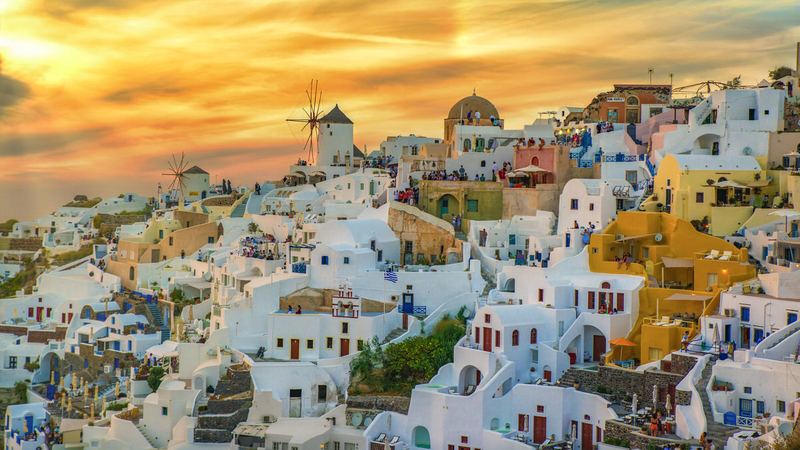
Greece: Santorini, Mykonos, Athens, Corfu, Crete, Folegandros, Halkidiki, Hydra, Kefalonia, Messinia, Milos, Monemvasia, Nafplio, Naxos, Paros, Rhodes, Sifnos, Zagori
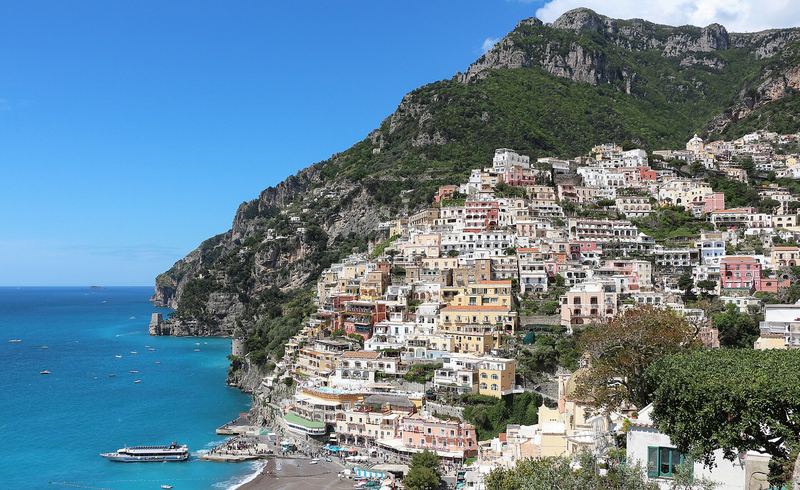
Italy: Amalfi Coast, Lake Como, Tuscany, Venice, Aeolian Islands, Bologna, Capri, Cinque Terre, Courmayeur, Dolomites, Franciacorta, Ischia, Lake Garda, Lake Maggiore, Langhe, Maratea, Merano, Portofino, Procida, Puglia, Riviera del Conero, Rome, Sardinia, Sicily, Tropea, Umbria
Malta: Gozo, Mdina, Mellieħa, Valletta
Montenegro: Bay of Kotor, Budva Riviera, Durmitor National Park, Lake Skadar, Ulcinj
Slovenia: Goriška Brda, Lake Bled, Ljubljana, Piran, Soča Valley
Spain: Barcelona, Cádiz, Córdoba, Costa Brava, Formentera, Granada, Ibiza, La Rioja, Lanzarote, Madrid, Mallorca, Marbella, Menorca, Picos de Europa, Ronda, San Sebastián, Seville, Tenerife, Toledo, Valencia
Turkey: Alaçatı, Antalya, Bodrum, Bozcaada, Cappadocia, Datça Peninsula, Ephesus and Şirince, Fethiye and Ölüdeniz, Istanbul, Kaş, Pamukkale
How to Choose a Mediterranean Country
- Greece: island hopping by ferry, whitewashed villages and sunsets over the Aegean. Best for couples who want sea views every single day.
- Italy: the deepest mix of food, wine, art and coastline. Best for couples who care most about what is on the plate.
- Spain: big cities, late dinners, flamenco and island coves, with more US nonstops than anywhere else in the region.
- Croatia: walled medieval towns, island catamarans and good local wine, usually a little cheaper than Italy or Greece.
- Turkey: one trip can cover a megacity, a cave hotel and a beach, with nonstops to Istanbul from many US cities.
- Malta and Cyprus: compact islands with long swimming seasons, Roman and Baroque history and easy driving distances.
- Slovenia, Montenegro and Albania: mountains meet the sea on a smaller scale and at lower prices. Albania is the best value on the coast.
If you want one country with almost everything, choose Italy. If you want the classic blue-and-white honeymoon photo, choose Greece. If you want the most variety for the money, look hard at Turkey.
Best Time to Go
Late May, June and September are the sweet spot almost everywhere. The sea is warm enough for long swims, ferries run full schedules and prices sit below the summer peak. Early October still works in the south, especially in Crete, Sicily, Cyprus and Malta.
July and August are hot and busy, with peak prices and real crowds in Dubrovnik, Santorini, Hvar and the Amalfi Coast. In the Cyclades the meltemi wind can make crossings rough. Italians take their own holidays around Ferragosto in mid-August, so book early if you travel then.
From roughly November to March, most hotels on Santorini, Mykonos, the Amalfi Coast, Lake Como and the Croatian islands close and Turkey's resort towns go quiet. Winter suits cities instead: Rome, Venice, Seville, Granada, Istanbul and Valletta all work with a coat. For winter sun, Tenerife in the Canary Islands is the strongest pick, with spring weather in January.
Inland and up high, the calendar shifts. The Dolomites and Durmitor National Park are summer hiking country. Cappadocia's balloons fly most mornings in spring and fall. Tuscany's harvest and truffle season runs from September into November.
Best for Islands and Beaches
Greece has the most choice. Santorini is the famous one, with cave suites and plunge pools on the caldera rim, while Mykonos adds beach clubs and nightlife. Milos has volcanic coves best reached by boat, Paros keeps an easy harbor rhythm and Folegandros is the quiet cliff-top pick. Crete is big enough for a week on its own. Corfu is green and Venetian, facing the Albanian mountains.
Spain's Balearics split by mood. Mallorca mixes stone villages with turquoise coves and a real city, Menorca is the calm one with walk-in coves and Ibiza has a pine-backed north far from the club scene. Tenerife sits out in the Atlantic for year-round warmth.
In Italy, Capri empties at sunset once the day boats leave, Sardinia has Caribbean-colored water and Puglia pairs whitewashed towns with Adriatic beaches. Croatia's Hvar is the sunny social island, while Korčula is quieter. Ksamil and the Albanian Riviera are the region's best-value beaches. Gozo in Malta suits cliff-edge swims and Fethiye and Ölüdeniz in Turkey has a lagoon below a mountain that paragliders jump from.
Best for Cities and Long Dinners
Rome gives you ruins by morning and a rooftop aperitivo by evening. Venice is at its best once the day-trippers leave and the campos go quiet. Istanbul spans two continents. A single ferry ticket lets you see both before dinner. Barcelona runs on Gaudí, vermouth and very late meals, while Seville and Granada bring tiled patios, flamenco and the Alhambra.
Smaller walled towns suit couples who like to wander. Dubrovnik is best at opening time and after dark. Split lives inside a Roman emperor's palace. Valletta is a pocket-sized Baroque capital where every street ends at the sea. Mdina is a hilltop town of about 250 residents that empties at sunset. Nafplio was Greece's first capital and Piran is a Venetian harbor on Slovenia's short coast.
For food, San Sebastián has the best bar food in Spain and La Rioja has old cellars among the vines. Sicily pairs Greek theaters with volcanic vineyards. Istria in Croatia is truffle country. Alaçatı on Turkey's Aegean coast mixes stone lanes, bougainvillea and long dinners.
Best for Lakes, Mountains and Countryside
Italy's lakes are a honeymoon category of their own. Lake Como has villas, terraced gardens and wooden motorboats. Lake Garda adds lemon houses, thermal pools and opera nights in Verona. The Dolomites suit couples who want meadow picnics and a sauna with a view after a day on the trails. Tuscany is the slow-travel classic, with cypress lanes and hill towns. Cinque Terre links five painted villages by cliff paths.
Slovenia packs a lot into a small country. Lake Bled has its island church and castle, while the Soča Valley has an emerald river and serious cooking, both within two hours of the coast. Croatia's Plitvice Lakes is a park of turquoise pools and boardwalks.
Montenegro's Bay of Kotor drops mountains straight into still water and Durmitor National Park adds glacial lakes and a canyon more than 4,000 feet deep. The Albanian Alps offer stone towers and family guesthouses. The Troodos Mountains in Cyprus have painted churches and village wine an hour above the beach. Cappadocia in Turkey is the place to sleep in a cave and watch the sky fill with balloons.
Easiest From the US
Spain and Italy are the simplest. Madrid and Barcelona have nonstops from a long list of US cities, about 7 to 8 hours from the East Coast, plus seasonal United flights to Palma and Málaga. Rome and Milan have nonstops from major hubs, with Venice added seasonally, in roughly 8 to 10 hours. Turkish Airlines flies nonstop to Istanbul from many US cities in about 10 hours from the East Coast, then it is a short domestic hop to Cappadocia or the coast. Athens has summer nonstops from New York and other hubs. United flies seasonally from Newark to Dubrovnik and Split. Malta has had a summer nonstop from JFK.
Cyprus, Slovenia, Montenegro and Albania need one connection, usually 11 to 17 hours in total. Many couples reach Montenegro through Dubrovnik and southern Albania through Corfu.
Entry and visa rules depend on your citizenship and can change at short notice, so check the official government website before you book. In July and August, book island ferries and catamarans when you book the hotels, because the best sailings fill early.
Budget Picks and Splurges
The big splurges are the famous ones: a caldera suite on Santorini, a grand hotel on Lake Como or the Amalfi Coast, a villa with a private pool on Mykonos or a private boat day to Capri. In July and August these are among the priciest hotel nights in Europe. June and September bring the same views for noticeably less.
Value lives at the edges. Albania is one of the cheapest coastal destinations in Europe, with seafood dinners and boutique hotels well below Italian prices. Montenegro, Turkey and quieter Croatian islands such as Korčula also stretch a budget, as do Puglia, Sicily and Crete compared with the big-name coasts. In Spain, Seville and Granada cost less than Barcelona or Ibiza. Turkey's high inflation means menu prices change often and many hotels quote rates in euros.
A good pattern pairs one splurge with one value base. Try two nights on Santorini followed by five on Paros or Milos, or the Amalfi Coast followed by a slower week in Puglia. You get the famous view and a longer stay for the same money.
Safety and Travel Advisories
Croatia, Cyprus, Malta, Montenegro and Slovenia are rated Level 1 by the US State Department, the lowest level. Spain is Level 2 for terrorism and civil unrest. Turkey is Level 2 for terrorism and arbitrary detentions, including over social media posts critical of the government. Albania is Level 2 because of crime linked to organized groups, which rarely touches visitors. For Greece and Italy, check the current rating before you book.
The higher-rated areas are far from honeymoon routes. Turkey lists its far southeastern border areas as Level 4, nowhere near Istanbul, Cappadocia or the coast. The Turkish Cypriot-administered north of Cyprus is Level 2.
In practice, the risks couples meet are ordinary ones: pickpockets in busy squares, card skimming at street ATMs in Albania, fast drivers on coastal roads and midsummer heat. In Istanbul, decline the friendly stranger who suggests a bar, since the bill can run to several hundred dollars. Choose your own venues and use metered taxis or ride apps.
Turkey and Albania are more conservative outside the big resorts, so discretion in public is wise there.
Combining Countries
Neighbors linked by a short drive, ferry or flight make the best pairs. Two countries in ten days is the comfortable limit, because ferries and island flights eat more time than the map suggests.
- Croatia and Montenegro: Dubrovnik to the Bay of Kotor is about two hours by road.
- Croatia and Slovenia: Istria and Piran sit side by side, with Lake Bled a short drive inland.
- Greece and Albania: Corfu is the gateway to Ksamil and the Albanian Riviera.
- Italy and Malta: Sicily and Valletta are a short hop apart.
- Turkey and Greece: Istanbul and Cappadocia first, then a flight to Athens and on to Santorini or Milos.
- Spain and Italy: Barcelona to Rome is a quick flight, pairing tapas nights with Roman ruins.
- Croatia and Bosnia and Herzegovina: Dubrovnik pairs well with Mostar, about three to four hours by road.
Mediterranean Honeymoon FAQ
Which Mediterranean country is best for a honeymoon?
Italy and Greece lead for most couples. Italy suits food lovers and couples who want variety, with Lake Como, Tuscany and the Amalfi Coast in one trip. Greece suits couples who want island days and sea views, from Santorini to Milos. Spain is the easiest to reach from the US, while Croatia or Turkey give more for the money.
When is the Mediterranean too quiet for a honeymoon?
From roughly November to March, many island and coastal hotels close, including most of Santorini, Mykonos, the Amalfi Coast and the Croatian islands. Ferry timetables thin out too. Cities such as Rome, Seville, Istanbul and Valletta stay open and pleasant. For warmth in winter, Tenerife is the best bet on our pages, with spring weather in January.
Is Santorini worth it, or should we choose a quieter Greek island?
Santorini's caldera views are worth seeing, but the island is busy and expensive in summer. Many couples spend two nights there and move to Milos, Paros or Folegandros for quieter beaches and lower rates. Going in late May, June or September also helps, with warm seas and smaller crowds than July and August.
What is the most affordable Mediterranean honeymoon?
Albania is the clear value pick, with the Albanian Riviera and Ksamil costing far less than Greek or Italian beaches. Montenegro and Turkey also stretch a budget, with boutique hotels and seafood dinners at lower prices. Within the pricier countries, choose Puglia, Sicily, Crete or Seville over the famous names. Travel in June or September too.
What should we wear to visit churches and mosques?
Both of you should cover shoulders and knees for St. Peter's in Rome, Greek monasteries and the mosques of Istanbul. In mosques, women also cover their hair and everyone takes off their shoes. A light scarf and linen trousers in your day bag solve it. Scarves are usually on hand at the Blue Mosque. Beachwear stays on the beach: some Italian and Croatian towns fine people for walking the streets in swimsuits.
Can we combine Greece and Italy on one trip?
Yes, but plan it as two separate bases rather than a tour. Fly between Athens and Rome or another Italian city, then use ferries or short flights to reach the islands. A good ten-day version is four nights on Santorini or Paros and five on the Amalfi Coast or in Tuscany, with one night spare for travel.