Why Honeymoon in Napa Valley
Napa combines three things honeymooners tend to love: a slow, sensual pace, beautiful scenery and outstanding food and wine. The valley floor is a patchwork of vineyards framed by the Mayacamas Mountains to the west and the Vaca Range to the east. The light in the late afternoon is famously golden.
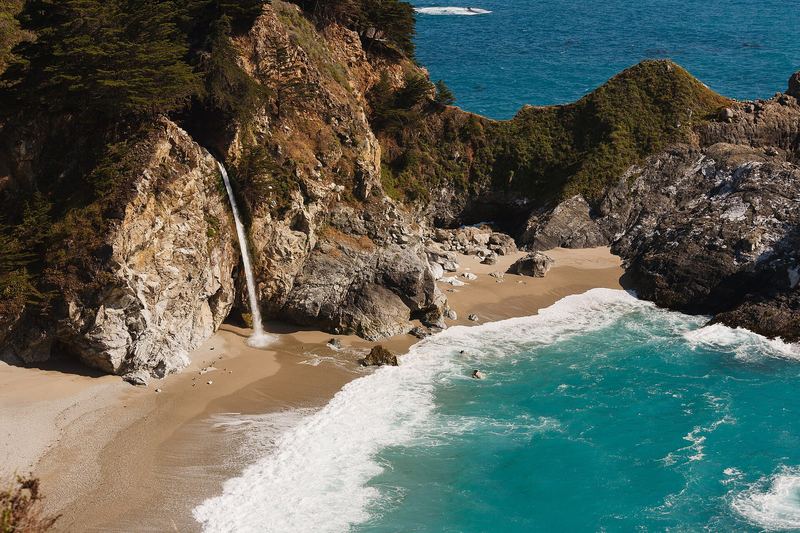
It is also remarkably compact. The towns of Napa, Yountville, St. Helena and Calistoga line up along two main roads, Highway 29 and the quieter Silverado Trail, so you can explore without long drives. Some couples spend a whole week here; others pair three or four nights in Napa with San Francisco or a drive down the coast to Big Sur. Either way, the valley offers a honeymoon that feels both grown-up and genuinely relaxing.
When to Go
Napa is a year-round destination, but each season has a distinct personality.
- Harvest (roughly late August to October) is the most exciting time, with grapes coming in, warm days and a buzz in every winery. It is also the busiest and most expensive season, so book early.
- Spring (March to May) brings green vines, wildflowers and pleasant temperatures, often with better rates and easier reservations.
- Summer (June to August) is hot and sunny on the valley floor, good weather for pool days and early-morning balloon flights.
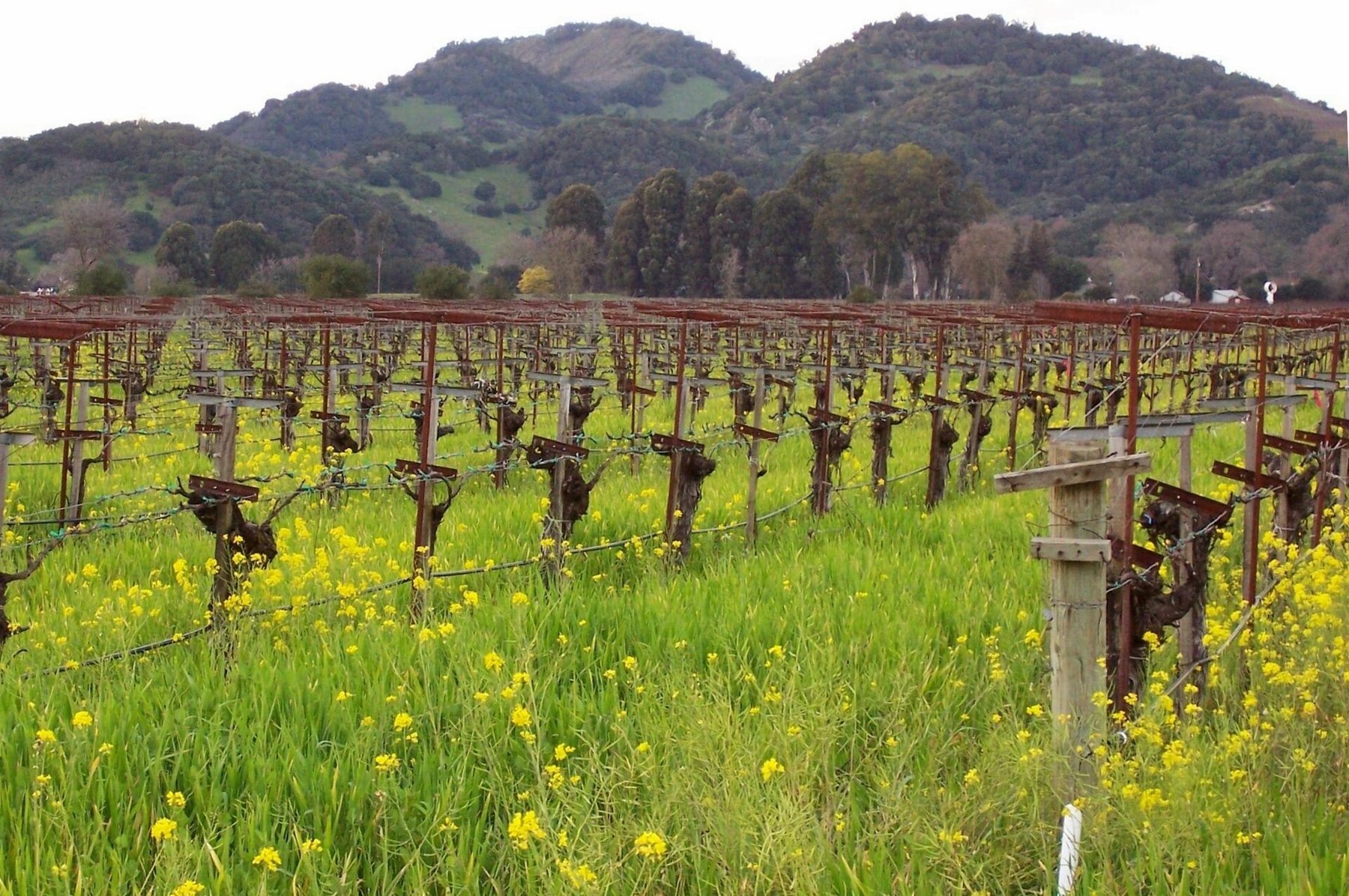
- Winter (November to February) is cool, quiet and cozy, with fireplaces, fewer crowds and, from January into March, yellow mustard blooming between the dormant vines.
For a honeymoon, late spring and early fall offer the best balance of weather, scenery and atmosphere. Wildfire smoke can affect some late-summer and fall days, so keep a little flexibility in your plans.
Where to Stay
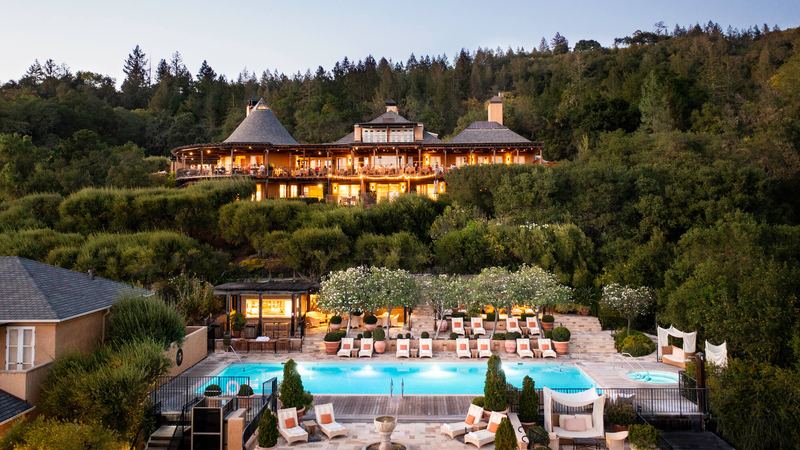
Our top pick is Auberge du Soleil, on a terraced olive grove on Rutherford Hill above the Silverado Trail. Every room has a fireplace and terrace, while its restaurant is one of the valley's most celebrated dining rooms. The hotel describes itself as an adult retreat, which makes it ideal for couples. Sunset dinners on its terrace are a Napa rite of passage.
Beyond that, the valley offers a hotel for every style. Yountville is the most walkable base, with boutique inns and acclaimed restaurants along a single main street. St. Helena feels like a classic wine-country village and puts you near many famous estates. Calistoga, at the north end, is known for spa resorts and hot springs. It suits couples who want wellness alongside wine. The city of Napa, at the southern end, has more hotels, a lively riverfront and easier access from the Bay Area. Expect premium prices across the valley, especially during harvest, when Auberge du Soleil and its peers commonly run well over $1,000 a night (approximate).
Romantic Things to Do
Start with the sky. Hot-air balloon flights launch at dawn and drift over the vineyards as the sun lights up the valley, usually followed by a celebratory breakfast. It is one of the most romantic experiences in California.
Back on the ground, book a private or seated tasting at a few wineries that suit your tastes, mixing a famous estate with a small family producer. Many wineries now require reservations, so plan ahead. Pack a picnic and settle in at a winery that allows it, or cycle a stretch of the Napa Valley Vine Trail. In Calistoga, the classic treat is a volcanic-ash mud bath followed by a mineral soak. The Napa Valley Wine Train offers a leisurely, old-fashioned way to see the valley with lunch or dinner on board. And on any clear evening, find a terrace with a view and watch the hills turn gold.
Getting There & Around
Most visitors fly into San Francisco (SFO) or Oakland (OAK), each about an hour to an hour and a half from the southern end of the valley, depending on traffic. Sonoma County's Charles M. Schulz Airport (STS) in Santa Rosa is smaller but closer, while Sacramento (SMF) is another option.
A car gives you the most freedom, but wine tasting and driving do not mix. Many couples hire a private driver for tasting days, join small-group tours or use rideshare services. Highway 29 runs through the main towns and can get congested on weekends, while the Silverado Trail on the eastern side is usually quieter and more scenic. Some resorts offer guest cars or shuttles; ask when you book.
Food & Drink
Napa is one of America's great food destinations. Yountville alone has an extraordinary concentration of acclaimed restaurants, including Thomas Keller's The French Laundry, one of the country's most famous fine-dining rooms, which requires reservations well in advance. Across the valley, Michelin-starred dining rooms sit alongside casual bistros, taquerias, bakeries and farm stands, so you can balance tasting menus with simple pleasures.
Wine is, of course, the star. Napa is best known for Cabernet Sauvignon, especially from areas such as Rutherford, Oakville and Stags Leap, but you will also find excellent Chardonnay, Sauvignon Blanc and sparkling wines. Do not miss a sparkling wine tasting to toast your marriage, an olive oil tasting or a picnic lunch assembled from local delis and markets.
Honeymoon Tips
- Limit yourselves to two or three tastings a day; it is more enjoyable and less exhausting.
- Make winery and dinner reservations before you arrive, especially for weekends and harvest.
- Tell wineries and restaurants you are on your honeymoon; many will add a small surprise.
- Budget for tasting fees, which can be significant at top estates.
- Bring layers, since mornings and evenings are cool even when afternoons are hot.
- Consider shipping wine home rather than carrying it, but check shipping rules for your state first.
- Midweek visits mean quieter tasting rooms and often lower hotel rates.
- If one of you doesn't drink, balance tasting days with the balloon flight, a mud bath, a Vine Trail ride and food-focused stops such as olive oil tastings.