


Why Tanzania for Your Honeymoon
A safari is an adventure you share in real time. The memories it creates (a leopard in a sausage tree, a balloon drifting over the herds, a hippo grunting outside your tent at night) have a way of binding couples together. Tanzania offers that experience on an epic scale, with vast, protected wilderness areas and some of the richest wildlife viewing on the continent.
The country also does romance beautifully. Lodges set up private bush dinners, sundowners on lookout rocks and bubble baths with a view of the plains. And because Zanzibar is so close, you can end your trip with days of doing absolutely nothing on a tropical beach, which may be the most romantic luxury of all after early safari mornings.
Best Time to Visit
Tanzania can be visited year-round, but timing shapes the experience. The long dry season, roughly June to October, offers the easiest game viewing, comfortable temperatures and the migration's dramatic river crossings in the northern Serengeti, typically from about July. It is also peak season, with higher rates.
From roughly January to March, the herds gather on the southern Serengeti plains for calving season, a wonderful and less crowded time. The long rains, generally March to May, bring green landscapes, lower prices and fewer visitors, though some camps close. The short rains around November and December are usually brief showers. For Zanzibar, June to October and December to February tend to be the driest periods, pairing nicely with safari seasons.
Top Honeymoon Destinations
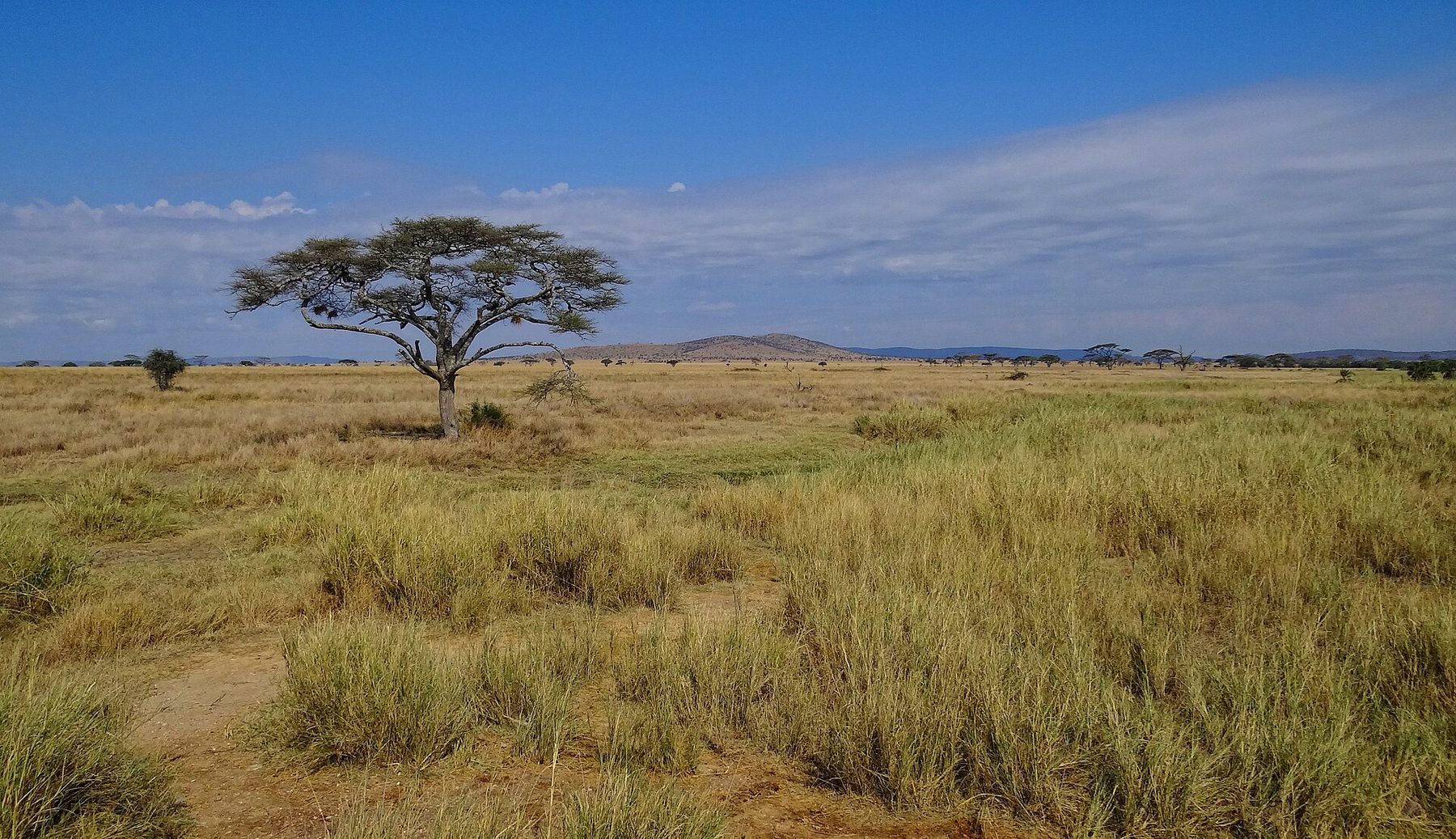
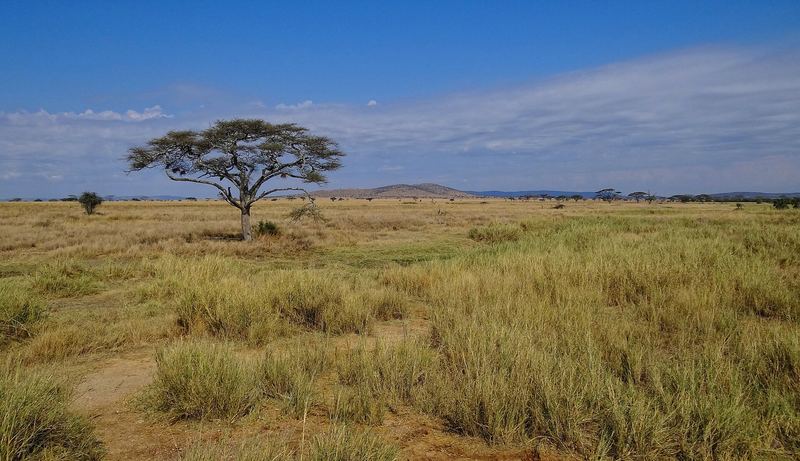
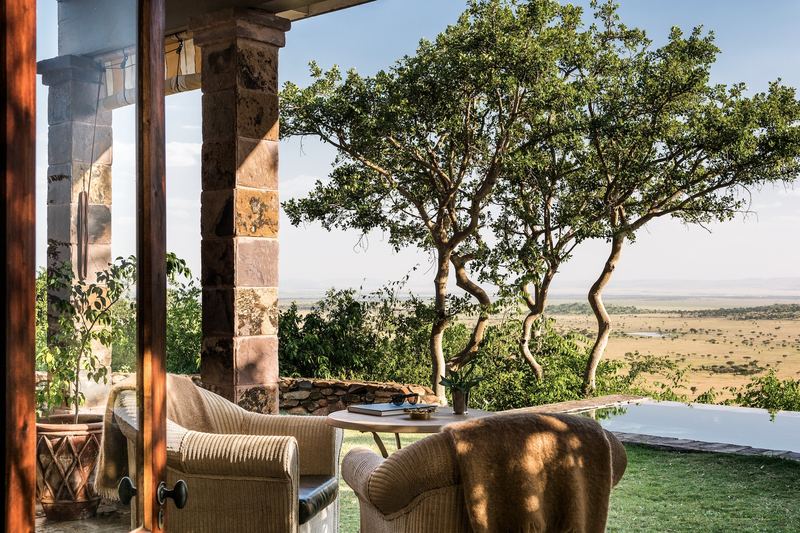
The Serengeti is the star: some 5,700 square miles of plains and woodland where the Great Migration unfolds and big cats are abundant. Stay inside the park at Four Seasons Safari Lodge Serengeti, where elephants visit a watering hole beside the pool, or in the private Singita Grumeti reserve at Singita Sasakwa Lodge, a hilltop manor with cottage infinity pools.
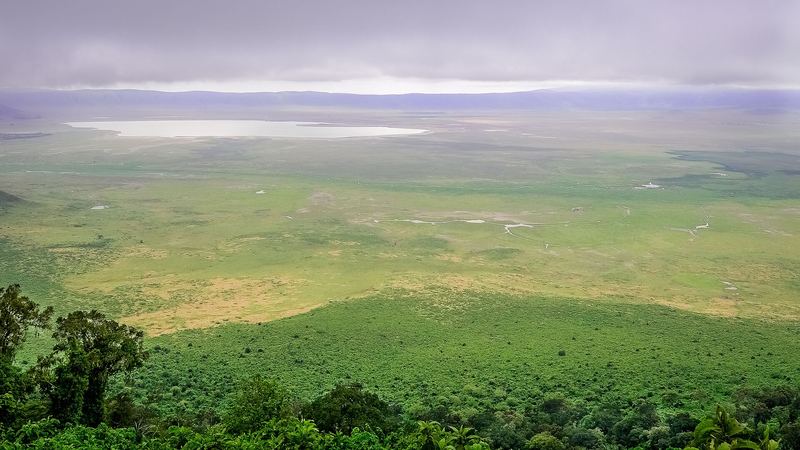
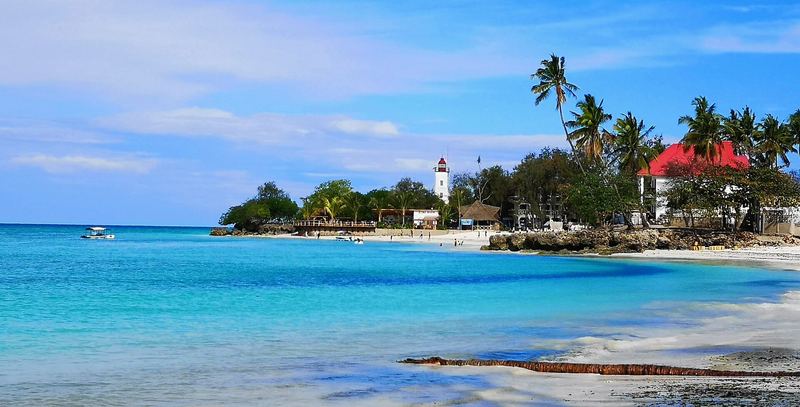
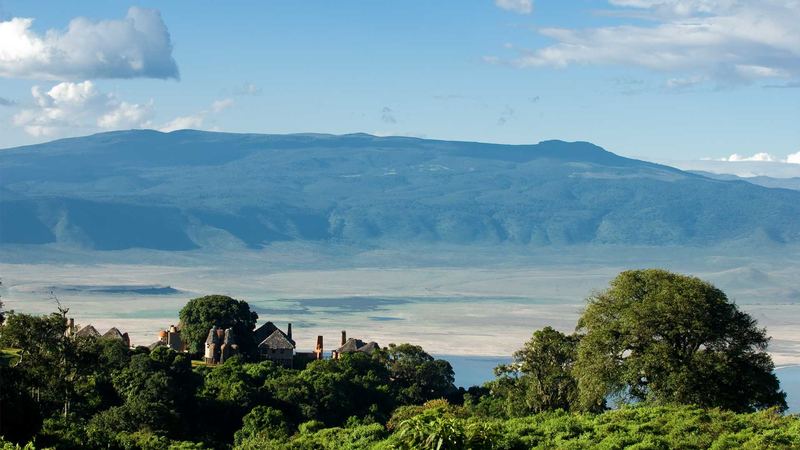
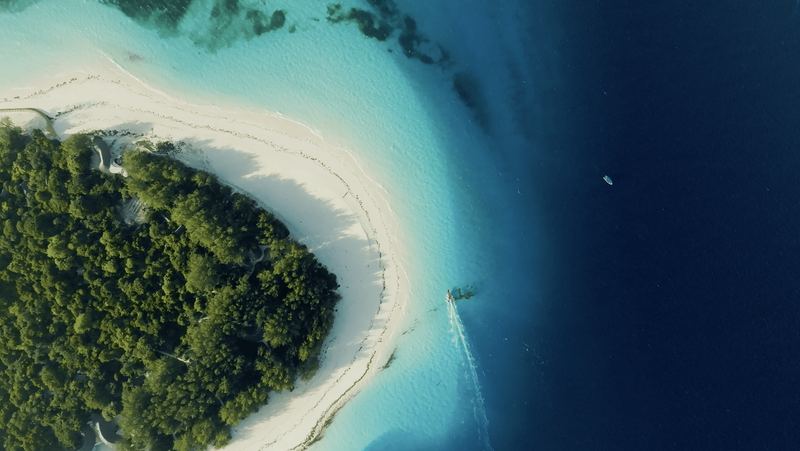
The Ngorongoro Crater is the world's largest intact, unflooded volcanic caldera, home to dense wildlife, including black rhino and lions, on its grassy floor. &Beyond Ngorongoro Crater Lodge sits on the rim; it has undergone a major rebuild, so confirm its current status. Tarangire, two hours or so from Arusha, is the gentle opening act, with big dry-season elephant herds, giant baobabs and lodges that offer walking safaris. Zanzibar is the beach finale, with Stone Town's UNESCO-listed lanes, spice farms and turquoise water. &Beyond Mnemba Island, a private island off the northeast coast, is as barefoot and secluded as it gets.
How Long to Stay & Sample Itinerary
Ten to fourteen nights is ideal for a bush-and-beach honeymoon. A classic route:
- Night 1: Arusha, recovering from the long flight at a garden lodge or coffee farm
- Nights 2 to 3: Ngorongoro Crater, with a full day on the crater floor
- Nights 4 to 8: Serengeti, perhaps split between two areas to follow the migration or combine a park lodge with a private reserve
- Nights 9 to 13: Zanzibar, mixing beach time with a visit to Stone Town
With two extra nights, start in Tarangire for its elephants and baobabs. With fewer days, focus on the Serengeti and Zanzibar. Light-aircraft flights link Arusha, the parks and Zanzibar, so you can move between them efficiently. Allow a buffer for international connections on both ends.
Budget & Costs
A luxury safari honeymoon is a significant investment, but many lodges are inclusive, which simplifies budgeting. All figures are approximate and vary by season and lodge:
- Top-tier safari lodges: often well over $1,500 per person per night in high season, typically including meals, drinks and game drives
- Mid-range luxury tented camps: roughly $600 to $1,200 per person per night
- Park and conservation area fees: charged per person, per day, sometimes on top of lodge rates
- Light-aircraft flights: commonly a few hundred dollars per person per leg
- Zanzibar beach stays: from a few hundred dollars per night for boutique hotels to considerably more for private islands
Traveling in the green season or shoulder months can bring meaningful savings and special offers.
Practical Tips for US Travelers
There are no nonstop flights from the US to Tanzania; most couples connect through Doha, Dubai, Istanbul, Amsterdam or Addis Ababa to Kilimanjaro (JRO) or Zanzibar (ZNZ). Entry and visa rules depend on your citizenship and can change at short notice, so check the official government website before you book.
See a travel medicine doctor several weeks ahead to discuss vaccinations and malaria prevention. US dollars are widely used on safari, but bring newer, undamaged bills; the local currency is the Tanzanian shilling. Pack soft-sided bags for light-aircraft weight limits, neutral-colored clothing, layers for chilly mornings and good sunscreen. Tipping guides and camp staff is customary; your lodge or operator will suggest guidelines.
Culture & Etiquette
Tanzanians are warm and courteous. Greetings matter. Learn a few words of Swahili: jambo or mambo for hello, asante for thank you and karibu, meaning welcome, which you will hear everywhere. Take time to greet people before asking questions; it is considered polite.
Always ask permission before photographing people, including Maasai you may meet near the parks. Zanzibar is predominantly Muslim, so dress modestly away from the beach, covering shoulders and knees in Stone Town and villages. Avoid public displays of affection. During Ramadan, avoid eating and drinking in public during daylight hours. On safari, follow your guide's instructions closely; they keep both you and the wildlife safe.
Quick tips
- Light aircraft link safari camps; soft-sided luggage with weight limits is usually required.
- Migration timing varies by area; calving is roughly January–February in the southern Serengeti.
- See a travel doctor well ahead about malaria prevention and vaccines; if you're pregnant or hoping to be soon, check CDC travel health notices.