Why Glamping Works So Well for Honeymooners
A great tented camp is small and intimate by design. With only a few dozen tents or fewer, service is personal and the atmosphere is quiet. The setting is always the star, whether that is a volcano, a river valley or a canyon at sunset. The experiences are built around it: guided walks, wildlife encounters, stargazing and long dinners outdoors.
There is also a playful streak. Climbing into a copper bathtub on your deck, or falling asleep to the sound of rain on canvas, feels like an adventure without any of the discomfort. Many couples find that the novelty of a tented stay makes their honeymoon more memorable than any hotel room could.
Asia: Bali and Northern Thailand
Capella Ubud, designed by Bill Bensley, sits on a rainforest ridge above the Wos River, surrounded by rice terraces north of Ubud. Its 22 one-bedroom tents are each themed around 19th-century settlers, with a private saltwater pool and copper tub. Every tent has a 24-hour personal Culturalist, while Api Jiwa serves a fire-cooked tasting menu at an intimate chef's counter. It is theatrical, romantic and deeply Balinese.
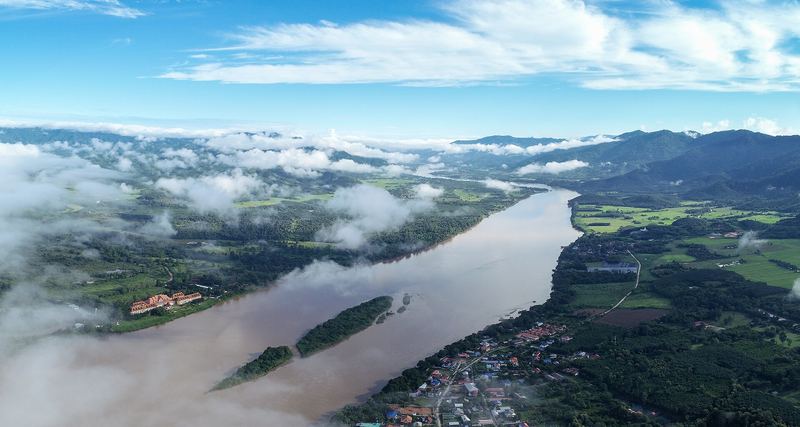
Four Seasons Tented Camp Golden Triangle in northern Thailand has only 15 tents in bamboo jungle above the Ruak River, with views across the river into the hills of Laos. You arrive by river boat and spend mornings with rescued elephants and their mahouts. Days end with cocktails on the deck as the river turns gold. Stays are sold on an all-inclusive basis that typically covers meals, drinks, excursions and a spa treatment.
Costa Rica: Volcano Views from the Canvas
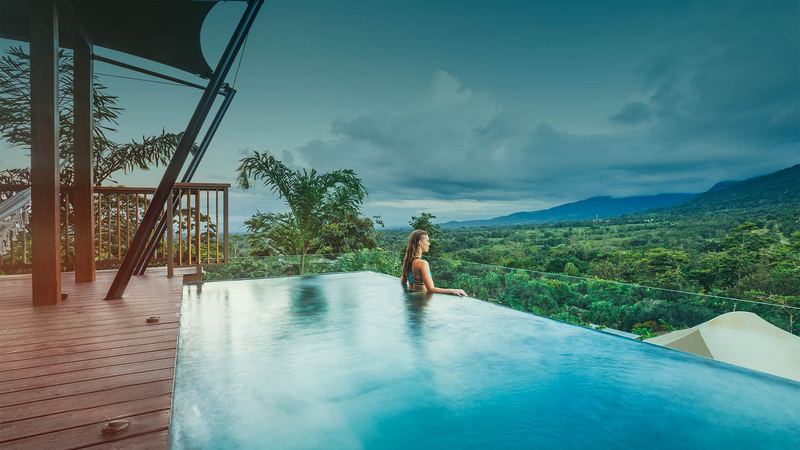
Nayara Tented Camp sits on a hillside rainforest reserve facing Arenal Volcano, near La Fortuna. Its stilted safari-style tents each have a private hot-spring infinity plunge pool. An on-site sloth sanctuary planted with more than 1,000 Cecropia trees means you may spot sloths on a guided walk. The spa's volcanic clay mud-pit ritual is a fun couples' afternoon.
The camp is not kid-free, but it shares facilities with its sister properties, including the kid-free Nayara Springs next door, so couples who want a grown-up atmosphere can combine the two or dine across both.
The American West: Big Sur and Southern Utah
Ventana Big Sur, now branded Alila Ventana Big Sur, sits on 160 acres of meadow, oak and redwood above the Pacific. Most of the resort is rooms and suites, but its safari-style glamping tents in a separate redwood canyon campground offer a more adventurous way to stay. Glamping is a separate product with different inclusions. A resort pass lets you use the pools and Japanese baths.
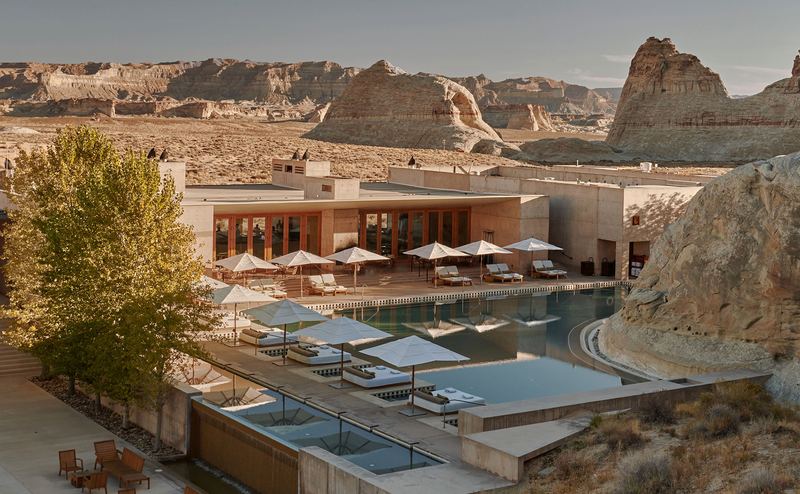
In southern Utah, Amangiri is one of the most celebrated desert resorts in the world. Its Camp Sarika adds ten tented pavilions with plunge pools, set among sandstone mesas a short drive from the main resort. Rates typically include meals and guided hikes. The canyon country of Lake Powell and Horseshoe Bend is on the doorstep.
How to Choose Your Camp
- Climate. Capella Ubud and Nayara Tented Camp are tropical and rainy in season; Camp Sarika and Ventana Big Sur are cooler at night. Four Seasons Tented Camp Golden Triangle can be surprisingly cool from about November to February.
- Inclusions. Four Seasons Tented Camp Golden Triangle is all-inclusive, while Amangiri typically includes meals. Capella Ubud and Nayara Tented Camp are not, though Capella includes round-trip airport transfers on stays of four nights or more.
- Wildlife. Elephants in Thailand, sloths in Costa Rica and birdlife everywhere. If wildlife is your priority, see our Safari Lodges collection too.
- Comfort. All five offer private bathrooms and real beds, but you may hear the weather. That is the point.
When to Go and Booking Tips
Bali's drier months run roughly April to October. Northern Thailand is most comfortable from about November to February, with haze possible in March and April and rains from roughly June to October. Arenal's drier months are approximately December through April, though rain is always possible in a rainforest. Big Sur is often clearest in fall. Southern Utah is best in spring and fall, when days are warm rather than scorching.
With so few tents, book well ahead for peak periods. Plan at least three nights, since these are places to settle in and the journey to reach them is often long. Highway 1 conditions can change, so check Caltrans before driving to Big Sur.