
























Why Thailand for Your Honeymoon
Variety is Thailand's superpower. In a single trip, you can ride long-tail boats past karst towers, feed rescued elephants in misty hills, eat a Michelin-starred tasting menu and spend an entire afternoon in a private infinity pool without seeing another soul. Distances between regions are short by air and domestic flights are frequent, so combining jungle and beach is easy.
Then there's value. Thailand's luxury resorts deliver service and design on par with the Maldives or French Polynesia, often at noticeably lower prices. Everyday pleasures such as massages, street food and taxi rides cost a fraction of what they would at home. The Michelin Guide now awards its hotel Keys to a number of Thai properties, a sign of how strong the hotel scene has become.
Finally, it's simply romantic. Candlelit dinners on the beach, lantern-lit night markets, sunsets from cliffside bars and the gentle rhythms of Buddhist culture all make the days feel like an occasion, which suits newlyweds perfectly.
Best Time to Visit
Thailand's weather depends on where you are. On the Andaman coast, home to Phuket and Krabi, the best season runs roughly from November to April, with December to February the driest and busiest. The southwest monsoon brings rain and rough seas from about May to October.
The Gulf of Thailand, where Koh Samui sits, follows a different pattern. It's usually driest from about January to April and often pleasant through the summer, while its heaviest rain falls from roughly October to December. That makes Samui a smart pick for honeymoons in June, July or August.
The north, including Chiang Rai and the Golden Triangle, is loveliest in the cool, dry season from roughly November to February. Late February to April can bring heat and haze from seasonal burning. The rains arrive around June.
The sweet spot for a two-region honeymoon is November to February: cool in the north, dry on the Andaman. For summer weddings, pair the north's green season with Koh Samui.
Top Honeymoon Destinations
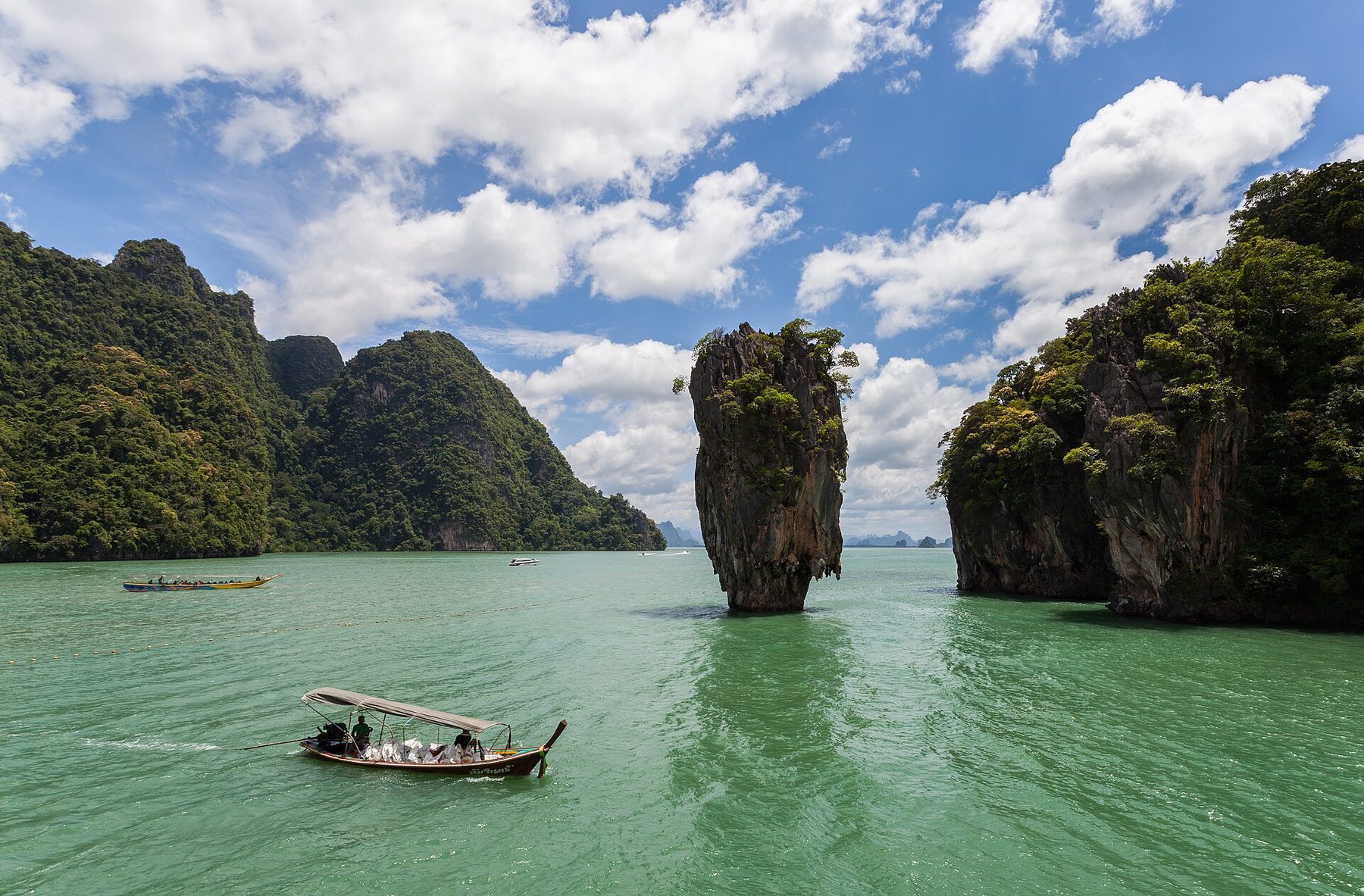
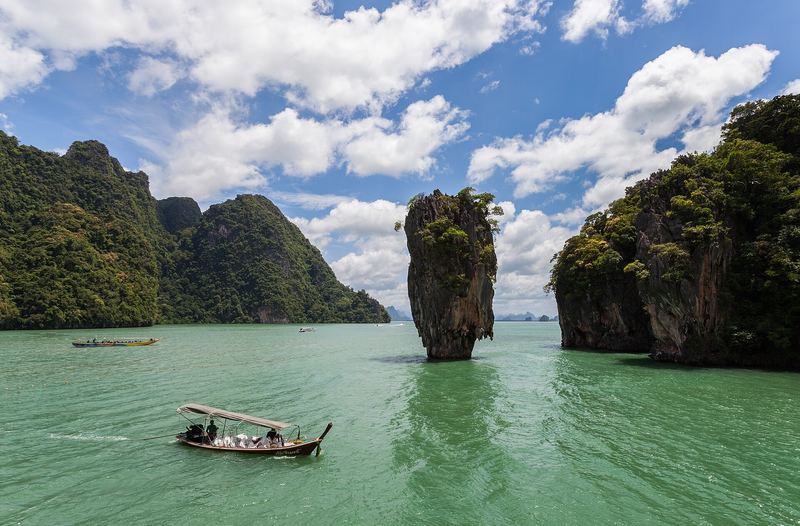
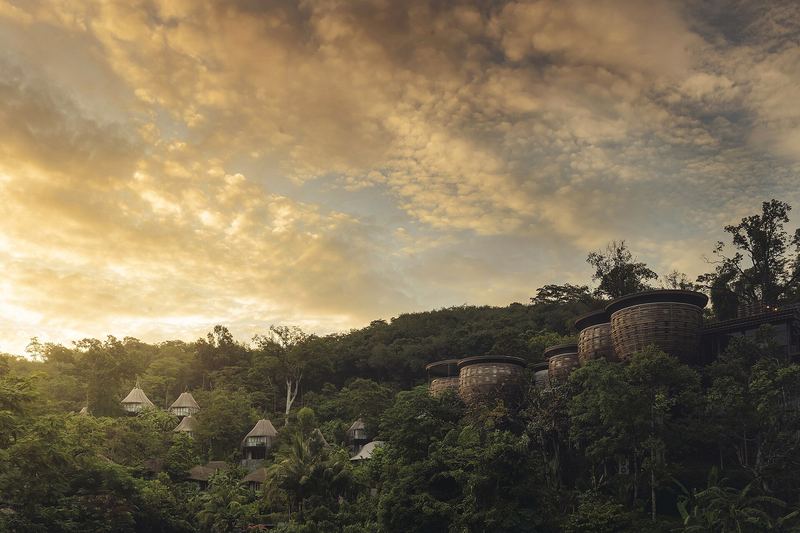
- Phuket: Thailand's largest island is the most convenient and varied base, with direct flights from Asian and Middle Eastern hubs, superb hotels and easy boat access to Phang Nga Bay. Stay at Trisara on the quiet northwest coast for sunset-facing pool villas and one of the island's best restaurants, or at Keemala above Kamala for fantastical tree house and bird's nest villas in the rainforest.
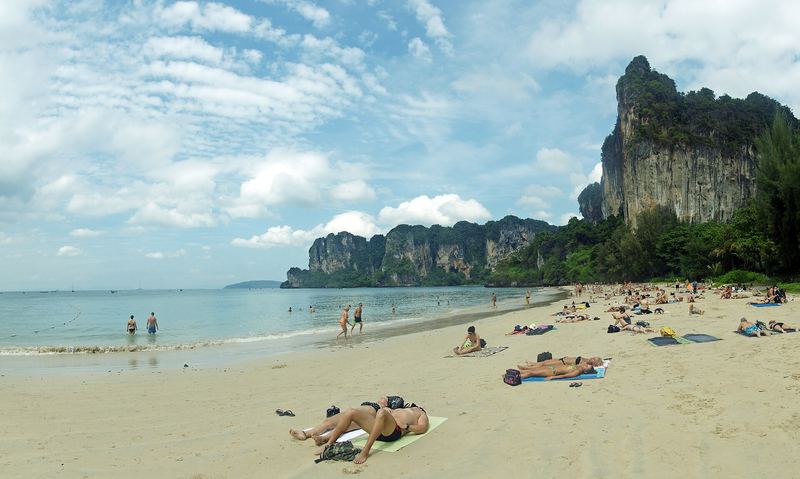
- Krabi & Railay: Towering limestone cliffs, boat-only beaches and first-rate kayaking and climbing make Railay the most dramatic setting on the Andaman coast. Rayavadee sits between three beaches at the tip of the peninsula, with pavilions in coconut groves and a restaurant inside a beach cave.
- Koh Samui: The Gulf's honeymoon favorite is calm, laid-back and blessed with a drier summer. Six Senses Samui crowns a northern headland with infinity-pool villas, a celebrated spa and dinners on terraced decks above the water.
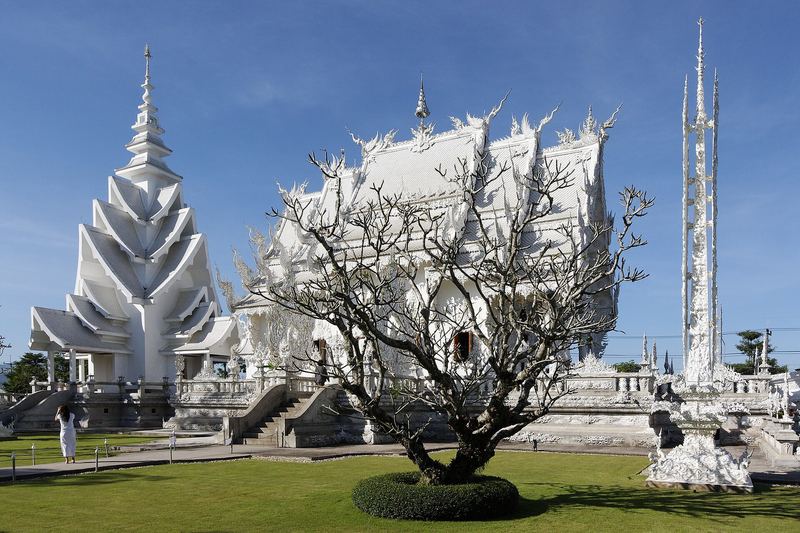
- Chiang Rai & the Golden Triangle: Where Thailand, Laos and Myanmar meet, the far north offers temples, tea hills, Mekong cruises and elephants. Four Seasons Tented Camp Golden Triangle, with only 15 all-inclusive tents reached by river boat, is one of Asia's most romantic stays.
How Long to Stay & Sample Itinerary
Given the long journey from the US, plan for at least 10 nights (ideally 12 to 14). That allows two or three stops without rushing and gives jet lag time to fade.
A classic 12-night honeymoon might look like this:
- Nights 1–2, Bangkok: Recover from the flight, cruise the Chao Phraya River, visit the Grand Palace and enjoy a rooftop dinner.
- Nights 3–5, Golden Triangle: Fly to Chiang Rai and settle into a jungle tent for elephant mornings, Mekong sunsets and temple visits.
- Nights 6–12, the islands: Fly south for a long, slow beach finale, either Phuket and Krabi combined in the dry season, or Koh Samui in summer.
Short on time? Spend 8 to 9 nights split between one island and the north, skipping Bangkok except for a connecting night. Long on time? Combine both coasts, or add a few nights in Chiang Mai.
Budget & Costs
Thailand works at nearly every budget, but luxury honeymoon resorts vary widely. As a rough, approximate guide for high season:
- Upscale pool-villa resorts: roughly $300 to $700 per night.
- Top-tier luxury resorts: roughly $700 to $1,500 per night.
- The most exclusive villas and all-inclusive jungle camps: often $1,500 per night or more.
Rates drop significantly in green season, sometimes by a third or more. Round-trip economy airfare from the US typically runs from around $900 to $1,800 per person depending on season and routing, with business class costing much more. Domestic flights are usually affordable.
Daily costs outside your resort can be remarkably low: street-food meals for a few dollars, massages for a fraction of US prices and inexpensive ride-hailing. Resort dining, wine and private boat charters are where budgets climb; imported wine is heavily taxed. All figures are approximate and change with season, exchange rates and availability.
Practical Tips for US Travelers
Getting there: There are generally no nonstop flights between the US and Thailand. Most couples connect through a hub in Asia or the Middle East to Bangkok (BKK) or directly to Phuket (HKT). Total travel time is typically 20 hours or more.
Entry: Entry and visa rules depend on your citizenship and can change at short notice, so check the official government website before you book.
Money: The currency is the Thai baht. Credit cards are widely accepted at hotels and larger restaurants, but carry cash for markets, taxis and tips. ATMs are common but often charge a fee.
Connectivity: An eSIM or local SIM is inexpensive and makes ride-hailing apps such as Grab easy to use.
Health: Drink bottled or filtered water and use sunscreen and insect repellent. Dengue is present across the country, so use repellent at dusk and dawn. If you're pregnant or hoping to be soon, check CDC travel health notices for Thailand. A travel clinic visit before you go and travel insurance are both wise.
Tipping: Not mandatory, but appreciated. Rounding up or leaving small amounts for good service is common.
Culture & Etiquette
Thailand is famously welcoming. A little cultural awareness goes a long way. The traditional greeting is the wai, palms pressed together with a slight bow; you don't need to initiate it, but returning one warmly is appreciated.
The monarchy is deeply respected and Thai law protects it; avoid any disrespectful comments or actions toward the royal family. Buddhism shapes daily life. At temples, cover your shoulders and knees, remove your shoes where indicated and never point your feet at Buddha images or people. Women should not touch monks or hand items directly to them.
The head is considered sacred and the feet the lowest part of the body, so avoid touching anyone's head and don't use your feet to point or move objects. Public displays of affection are best kept modest, especially outside resorts. Shops and many bars stop selling alcohol on a few major Buddhist holidays, so check the calendar if you're planning a celebration dinner. Keeping a calm, friendly demeanor, sometimes described as "jai yen," or cool heart, will win you smiles everywhere.
Quick tips
- The Andaman coast (Phuket, Krabi) is best November–April; the Gulf (Koh Samui) stays drier through summer.
- Long-tail boats are the classic way to reach Railay and hidden beaches.
- Combine Chiang Rai or Chiang Mai with an island for culture plus beach.