Why Honeymoon in Kaikōura
Kaikōura offers wildlife encounters that feel personal. Seeing a sperm whale surface, breathe and then raise its tail as it dives is a moment couples remember long after the trip.
The setting adds a lot. The Seaward Kaikōura Range climbs steeply behind town, often with snow on top, while the peninsula below is lined with rock platforms where fur seals sleep in the sun.
It is also a quiet town with a slow rhythm. After a morning on the water you can walk the peninsula, eat crayfish by the sea and spend the evening watching stars. Kaikōura was named an International Dark Sky Sanctuary, so clear nights here are very dark indeed.
When to Go
Kaikōura is a year-round destination. Sperm whales live in the canyon throughout the year, so whale watching runs in every season, weather permitting.
Summer, December to February, brings the warmest weather and the busiest boats. Book tours ahead and expect a livelier town.
Winter, June to August, can be the most rewarding season for wildlife. Migrating humpback whales often pass the coast around June and July. The mountains are usually dusted with snow. Days are cool but often clear.
Spring and autumn are pleasant shoulder seasons. Whatever the month, sea conditions decide whether tours go, so leave some flexibility in your plans.
Where to Stay
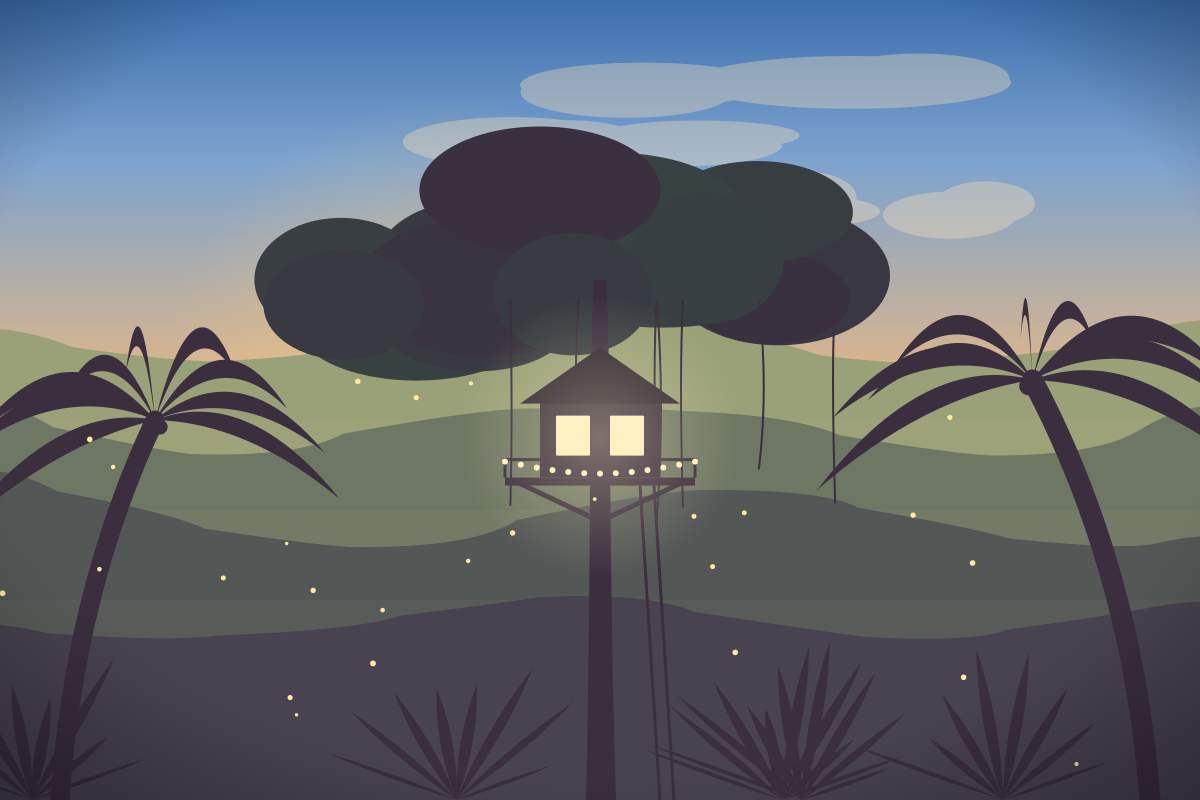
Hapuku Lodge and Tree Houses, north of town, is the standout stay for honeymooners. Its treehouse suites sit high in a grove of native trees with views of the mountains or the sea. The lodge restaurant uses produce from its own farm.
In town, the Esplanade is lined with motels, apartments and small hotels overlooking the beach. Many have balconies facing the water and the mountains.
Farm stays and holiday homes on the outskirts offer more privacy. As a rough guide, expect about NZ$180–350 a night for a good motel or apartment in town. Luxury lodges cost considerably more, often with breakfast included.
Romantic Things to Do
Book a whale watching cruise, usually two to three hours on a modern catamaran. Sightings of sperm whales are common but never guaranteed. Some operators offer partial refunds if you miss out. Scenic flights by plane or helicopter are a good alternative when the sea is rough.
Dusky dolphins often travel in large, acrobatic pods. You can watch from a boat or, on some tours, swim with them in a wetsuit.
Walk the Kaikōura Peninsula Walkway along the cliffs and shoreline, watching for fur seals and seabirds. An albatross tour takes you out to see some of the world's largest seabirds up close. At night, book a guided stargazing session.
Getting There and Around
Kaikōura is about 180 kilometers north of Christchurch, roughly two and a half hours by car on State Highway 1. Christchurch International Airport (CHC) is the usual arrival point.
From Picton, where the ferry from Wellington docks, it is about two hours south via Blenheim. The coastal road is scenic, with seals often visible on the rocks near Ōhau Point.
The Coastal Pacific train runs between Christchurch and Picton via Kaikōura in season. Check current schedules before planning around it.
In town, most things are within a short drive or walk. A car gives you freedom to explore the peninsula and stop at seafood caravans along the coast.
Food and Drink
Crayfish, the local spiny rock lobster, is the dish to try. It is expensive, but Kaikōura is the place to splurge on it. Order it grilled with garlic butter or served cold with salad.
Roadside seafood caravans north of town are a local institution. Nin's Bin, on the coast road, has been selling crayfish beside the sea for decades and is a classic stop.
In town, restaurants and cafés along the Esplanade and West End serve fresh fish, mussels and paua, the native abalone. Hapuku Lodge's restaurant is known for its farm-to-table menu. Pair your meal with wine from nearby Marlborough, about two hours north.
Honeymoon Tips
Book whale watching for your first morning. If the trip is canceled due to weather, you will still have another chance.
If either of you gets seasick, take medication before boarding. The water over the canyon can be rough even on sunny days.
Give fur seals space. They may look sleepy, but they can move quickly and bite. Stay at least 10 meters away and never get between a seal and the sea.
The 2016 earthquake reshaped parts of the coast and closed the roads for a long time. The highway and railway have reopened, but some walks changed. Check locally for current track conditions.