Why Honeymoon on Rangiroa
Come for the marine life. The Tiputa Pass is one of the most famous drift-diving sites in the South Pacific. Dolphins regularly ride the standing waves at its mouth on an incoming tide. You can often watch them from a lookout at the point without getting wet.
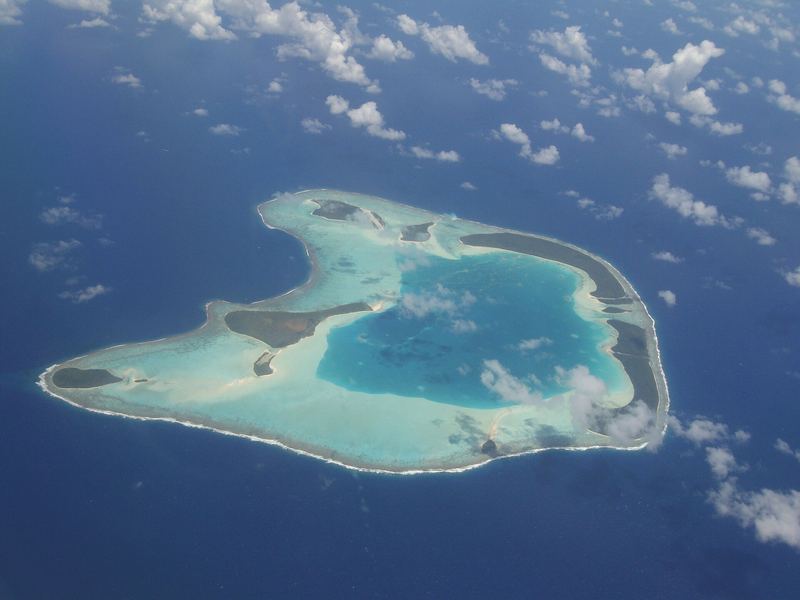
The atoll also gives a very different experience from the Society Islands. There are no peaks, only flat islets, coconut palms and a lagoon that feels like an inland sea. The light is enormous. Sunsets over the open ocean on one side and the lagoon on the other are a daily event.
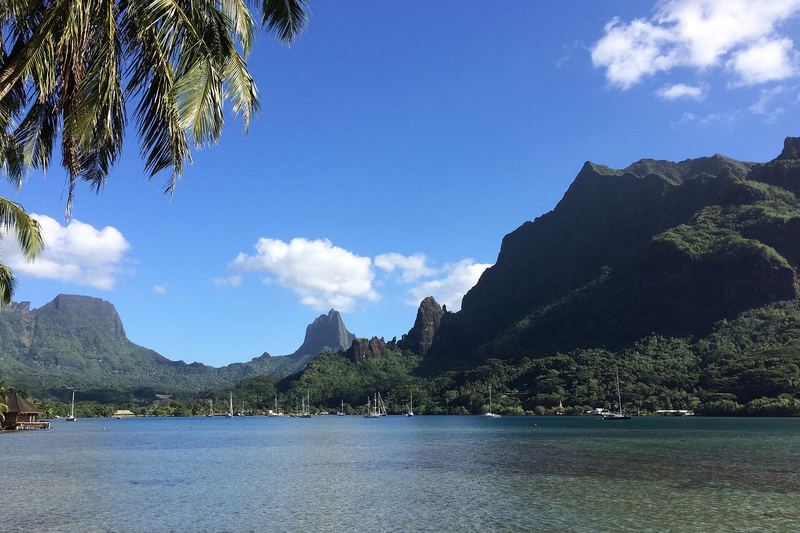
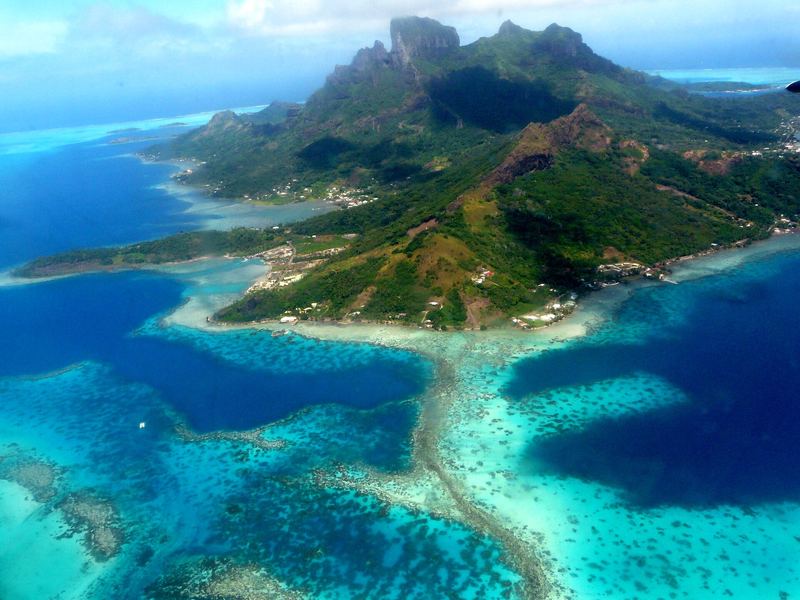
The pace is slow. Days begin with a dive or snorkel, then drift into lunch, a nap and sunset drinks. That rhythm suits couples who want to rest after a busy wedding. Rangiroa pairs well with Bora Bora or Moorea for a two-island trip.
When to Go
Rangiroa is warm all year, with water temperatures generally in the high 70s to low 80s Fahrenheit. The Tuamotus tend to be drier than the Society Islands, though the same broad seasons apply.
May through October is the drier and cooler period, with steady trade winds and lower humidity. This is the most popular time. Many divers come for clear water and reliable conditions.
November through April is warmer and wetter, with occasional heavy rain. It is also the season when great hammerhead sharks are most often seen at Tiputa Pass, roughly December through March, which draws experienced divers.
Manta rays and dolphins appear year-round, though sightings are never guaranteed. Strong winds can make boat trips across the lagoon rough, so build flexibility into plans for the Blue Lagoon or pink sand day trips.
Where to Stay
Most hotels sit on the main motu near the airport, between the village of Avatoru and the Tiputa Pass. Being close to the pass means you can walk or cycle to the dolphin lookout and dive shops.
Kia Ora Resort and Spa is the atoll's main resort, with beach bungalows and overwater villas on the lagoon. It also runs its own dive center. Hotel Maitai Rangiroa is a smaller, simpler hotel on the lagoon side, with bungalows near the water but no real sand beach.
Family-run pensions are common and a good value, often around $200 to $350 a night for two with breakfast and dinner, while Kia Ora's overwater villas cost several times that (approximate). Many pensions lend bicycles and arrange excursions.
The village of Tiputa, across the pass, is reachable only by boat and has a few guesthouses for couples who want true quiet.
Book early for the dry season, since rooms are limited across the atoll.
Romantic Things to Do
Start at the Tiputa Pass. Walk to the point at the end of the main motu around the incoming tide and watch dolphins surf the waves. Then join a boat for a drift snorkel through the Aquarium, a sheltered coral area near the pass full of reef fish.
For divers, the drift dive through Tiputa is the signature experience. Expect reef sharks, rays and big schools of fish. The resident dolphins sometimes approach divers.
Book a day trip to the Blue Lagoon, a shallow lagoon within the lagoon about an hour away by boat, with blacktip reef sharks in knee-deep water and a picnic on a motu.
Farther out, the Sables Roses, or pink sands, are beaches tinted by crushed coral. The trip is long but worth it on a calm day.
Close by, visit the vineyard near Avatoru, where grapes grow in coral soil.
Getting There and Around
Fly to Papeete (PPT) on Tahiti first. Nonstop flights run from Los Angeles on Air Tahiti Nui and Air France, from San Francisco on United and French bee and from Honolulu on Hawaiian Airlines, with schedules that vary by season. Flights from California take about eight hours.
Air Tahiti flies from Papeete to Rangiroa in about an hour. There are also flights linking Rangiroa with Bora Bora and other Tuamotu atolls such as Tikehau and Fakarava, which makes island-hopping easier. Check the current schedule, since some routes do not run daily.
On the atoll, the main motu has one road of about six miles. Bicycles and scooters are the easiest way around. Hotels and pensions arrange airport transfers. To reach Tiputa village, the Blue Lagoon or the pink sands, you will need a boat, usually as part of a tour.
Food and Drink
Fish is the center of the menu. Try poisson cru, raw tuna marinated in lime and coconut milk, as well as grilled mahi-mahi and parrotfish. Lagoon fish are sometimes avoided in parts of the Tuamotus because of ciguatera, a natural toxin, so follow local advice about what is safe to eat.
Resort restaurants serve French-Polynesian menus. A few snack bars and small restaurants around Avatoru offer simpler meals. Many pensions include dinner, which is often a shared meal of local food.
The atoll's most unusual product is wine. A vineyard near Avatoru grows grapes in coral sand. Tastings let you try white and rosé wines made in the middle of the Pacific.
Coconut is everywhere: fresh coconut water, coconut bread and dishes cooked in coconut milk. Hinano beer is the local standby.
Honeymoon Tips
Bring your dive certification card and logbook. The Tiputa Pass drift dive is best for experienced divers. Shops may require advanced certification for some sites.
Plan boat trips around the weather. The lagoon is big enough for wind to raise real waves. Keep a spare day for the Blue Lagoon or pink sands.
Carry cash. Card acceptance is improving, but some pensions, tours and shops still prefer cash. There are limited ATMs on the atoll.
Pack reef shoes, reef-safe sunscreen, a rash guard and insect repellent. The coral is sharp and the sun is fierce, with very little shade on motu trips.
Time your visit to the dolphin lookout with the incoming tide. Ask your hotel for the tide times each day.
Consider pairing Rangiroa with Bora Bora or Tikehau. The flights are short and the contrast is striking.