Why Eswatini for a Honeymoon
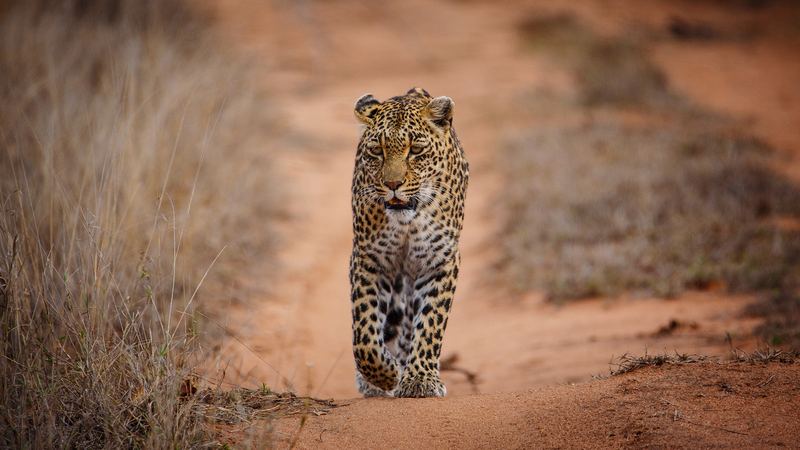
The case for Eswatini is intimacy. Mkhaya Game Reserve keeps visitor numbers deliberately small. Its Stone Camp has no electricity in the rooms, just paraffin lamps and open sides facing the bush. Hearing a rhino crop grass a few yards from your bed is the kind of thing couples remember long after the spa treatments blur together.
There is also more variety than the map suggests. In one week you could hike the gorges of Malolotja, browse candle and basket workshops in Malkerns, swim in a river pool below Mantenga Falls and spend two nights in big-game country. The culture is living rather than staged. Siswati is spoken everywhere, homesteads still have their cattle kraals and the national ceremonies are held for the nation, with visitors tolerated as guests.
It is also good value. A night in a strong Eswatini lodge usually costs far less than the private reserves bordering Kruger, which frees up budget for a splashier finale on the coast.
Best Time to Visit
Eswatini follows the southern hemisphere calendar. Summer, from November to March, brings heat, afternoon thunderstorms and lush green hills. Game viewing is harder in the thick bush, but the landscapes are at their prettiest and the lowveld fills with migrant birds.
Winter, from May to September, is dry and clear. Days are mild and sunny while nights on the highveld can dip close to freezing, so pack a warm layer. Thin vegetation and shrinking waterholes make this the best stretch for wildlife at Hlane and Mkhaya.
For most couples the sweet spot is April to May or late August to October. The Umhlanga Reed Dance usually falls in late August or early September, when thousands of young women carry reeds to the Queen Mother at Ludzidzini. Incwala, the kingship ceremony, runs around December and January. Dates are set by the royal household, so confirm them each year. South African school holidays, especially December and Easter, push up demand at popular lodges.
Where to Go
Ezulwini Valley is the natural base and has its own guide on this site. The valley runs between Mbabane and Lobamba, with Mlilwane Wildlife Sanctuary, Mantenga Cultural Village and the craft shops of Malkerns all within a short drive. Reilly's Rock Hilltop Lodge inside Mlilwane is the choice for a quiet, old-fashioned stay.
In the east, Hlane Royal National Park is the country's largest reserve and its best bet for lions and elephants. Mkhaya, a little to the south, is the rhino specialist and runs guided drives and walks from its meeting point off the main road. Pair two nights here with a night at Hlane for a proper safari.
In the northwest, Malolotja Nature Reserve is wild highveld with waterfalls, deep gorges and a canopy zipline. Ngwenya Glass, near the Oshoek border, turns recycled bottles into hand-blown animals and tableware. It makes a good last stop before you cross back into South Africa.
Sample 10-Day Itinerary
Eswatini rarely fills ten days on its own, so this plan uses it as the middle of a southern Africa trip.
Days 1 to 4: Fly into Johannesburg and connect to a private reserve on the edge of Kruger, such as Sabi Sand, for classic big-game drives.
Day 5: Drive south to the Jeppe's Reef or Mananga border and on to Hlane. The transfer takes a few hours. Arrive in time for an afternoon drive and a night listening to lions.
Days 6 and 7: Move to Mkhaya for rhino tracking on foot and two nights at Stone Camp.
Days 8 and 9: Head west into Ezulwini Valley. Cycle through Mlilwane, shop in Malkerns and book a couples massage.
Day 10: Drive to Johannesburg for an evening flight, or fly out of King Mswati III International.
To add a beach, swap the final day for a short flight or long drive to the Mozambique coast or northern KwaZulu-Natal.
Budget and Costs
Eswatini is one of the more affordable places in southern Africa to add wildlife to a honeymoon. These figures are approximate and move with the rand.
Mid-range lodges and guesthouses in Ezulwini and Malkerns often run around $80 to $200 a night for two with breakfast. Full-board safari camps such as those at Mkhaya and Hlane, with drives included, are typically in the $250 to $500 range per couple per night. That is still well below the luxury camps in the Kruger concessions, which can cost several times as much.
Meals at local restaurants are inexpensive by US standards. A good dinner for two with wine can come in under $40. A rental car from Johannesburg is usually the biggest single cost after lodging, especially with cross-border fees and full insurance. Park fees are modest. Tipping guides and lodge staff is expected; bring small rand notes for it.
Getting There and Around
There are no direct flights from the US. The standard route is a nonstop flight to Johannesburg, then either a short regional flight to King Mswati III International Airport near Manzini or a road trip. Eswatini Air and Airlink have served the route from Johannesburg, so check current schedules.
Most couples drive. The N4 and N17 routes from Johannesburg reach the Oshoek border post in roughly four hours, with Ezulwini about half an hour beyond. From Kruger's southern gates, the Jeppe's Reef and Mananga crossings put you close to Hlane. Border posts have set opening hours. The smaller ones close in the early evening, so plan your crossing for daylight.
Inside the country, roads are mostly paved and traffic drives on the left, as in South Africa. Avoid driving after dark. Cattle, goats and pedestrians use the roads. The advisory also notes that serious accidents are common. Private transfers between reserves are easy to arrange through your lodge if you would rather not drive.
Culture and Etiquette
Swazi culture is proud and visible. The king is treated with deep respect. Criticism of the monarchy in public is unwise. Political demonstrations do happen; the State Department advice to stay away from crowds is worth following.
Greet people before you ask anything. A simple sawubona (hello) goes a long way. A handshake often involves the left hand touching the right forearm as a sign of respect. Ask before photographing people, especially at ceremonies. Follow the instructions of the marshals at Umhlanga, where rules on photography and dress are strict.
Dress is relaxed in lodges but modest in towns and homesteads. Shoulders and knees covered is a safe default. If you visit a homestead or the cultural village at Mantenga, let your guide explain where you may and may not walk. Note that cannabis and CBD products are illegal to carry, even though the plant grows locally. Sharing food and a slow conversation will earn you more goodwill than any tip.
Quick tips
- Keep some rand on hand: it works everywhere in Eswatini, but emalangeni are hard to spend once you leave.
- Book Mkhaya visits in advance; the reserve only admits guests at set meeting times.
- If you rent a car in South Africa, ask the agency for a cross-border letter before you collect it.