Beach Quality, Honestly Compared
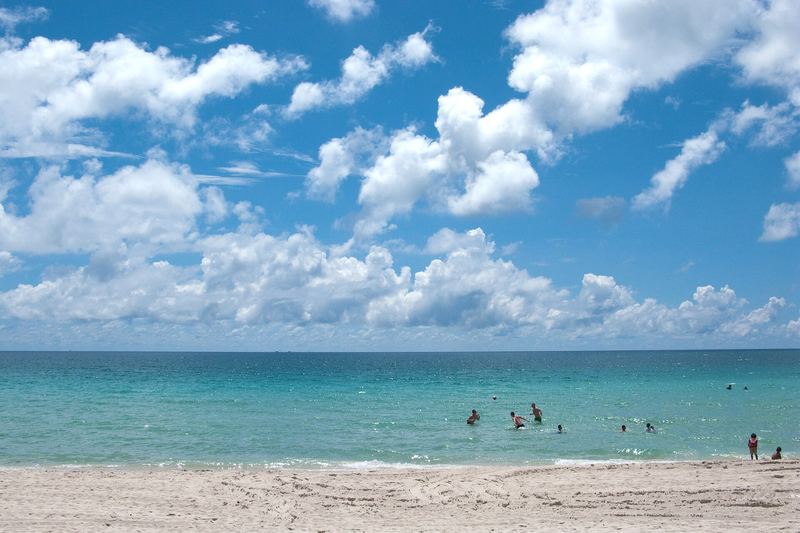
This is Koh Samui's strongest card. Its bays are calm and generally clear, good for swimming and paddleboarding. The hills behind them give many resorts views across the Gulf at sunrise or sunset. The north and northeast coasts are quieter. Chaweng is the busiest beach, with the most nightlife. Lamai, to the south, is more relaxed.
Hua Hin's main beach is long and fine for walking, but the water near the town center can look greenish. Walk farther along or stay at a resort to the south, toward Khao Takiab, Pranburi or Sam Roi Yot, for cleaner swimming and a more secluded feel. Jellyfish can appear in the Gulf, especially in the rainy months, so swim where lifeguards are on duty and look for vinegar stations.
If your idea of a honeymoon is long days in clear water, Samui wins. If the beach is the backdrop for spa days and good dinners, Hua Hin is perfectly pleasant.
Getting There From the US
Both start the same way. There are no nonstop flights from the US to Thailand, so you connect once and land in Bangkok, usually at Suvarnabhumi Airport (BKK).
From there, Hua Hin is about three hours by private car or taxi, depending on traffic. You can also take the train, which takes four hours or more and ends at Hua Hin's red and cream wooden station with its royal waiting room. Hua Hin Airport (HHQ) has only a limited schedule, so do not count on it.
Koh Samui needs a flight. Samui International Airport (USM) is a small, open-air terminal with thatched roofs, about an hour from Bangkok. Seats are limited and fares can be higher than to other Thai airports, so book early. The cheaper alternative is flying to Surat Thani on the mainland and continuing by ferry, which takes much longer. Once you land, most Samui resorts are 10 to 30 minutes away.
Weather and Timing
The two follow a similar Gulf pattern, with useful differences. Hua Hin's most comfortable months run from about November to February, when days are sunny and evenings are pleasant. March to May is hot, often in the high 90s Fahrenheit. Rain arrives from about June to October, with September and October usually the wettest, though Hua Hin tends to be drier than much of Thailand.
Koh Samui's best stretch runs from about January to April. Summer, roughly May to September, is also generally good, which makes Samui one of the best Thai beaches for a June, July or August honeymoon. The rainy season is concentrated from about October to December, with November usually the wettest and ferries sometimes disrupted.
So for a November or December trip, Hua Hin is the safer of the two. For summer, Samui is the classic pick. Both are busy over Christmas and New Year. Hua Hin also fills with Bangkok families on weekends year-round.
Where You Will Stay
Hua Hin's hotels lean toward wellness and heritage. Chiva-Som, a destination spa on the beach, has drawn health-focused travelers for decades and runs set programs with meals and treatments included. Centara Grand Beach Resort and Villas Hua Hin occupies the historic Railway Hotel from the 1920s, with colonial-era buildings and topiary gardens. Anantara Hua Hin, in gardens north of town, is another long-standing favorite. Pranburi and Sam Roi Yot have boutique pool villas for couples who want more privacy and are happy with a car.
Koh Samui is built for the pool villa honeymoon. Six Senses Samui sits on a 20-acre headland at the island's northern tip, with most villas featuring private infinity pools and a restaurant on terraced decks above the water. Several other international luxury brands have hillside villas. Bophut and Choeng Mon have boutique options. Look for a private pool and a view, which Samui's hills make easy.
Spa Days, Seafood and Evenings
Hua Hin is a wellness capital. Many resorts have serious spas. A couples' day of treatments here can be the highlight of a trip. Seafood is the main event at dinner: restaurants on wooden piers serve crab curry, grilled prawns and spicy seafood salad with fishing boats in view. The night market in the center is fun and casual. The Cicada Market draws crowds on weekend evenings.
Koh Samui's dining scene is more sophisticated than you might expect from an island. Fisherman's Village in Bophut, with its old wooden shophouses, is the romantic choice for dinner with your feet in the sand. Its Friday walking street market is the island's best evening out. Six Senses Samui's Dining on the Rocks suits a special night. Chaweng has the bars and late nights if you want them.
Day Trips and Adventures
Hua Hin's best outing is Phraya Nakhon Cave in Khao Sam Roi Yot National Park, about an hour south. A steep trail of 30 to 40 minutes from Laem Sala beach leads into a cave where sunlight falls through a hole in the roof onto a small royal pavilion built in the 1890s. Go in the morning. Other good days out include lunch and a tasting at Hua Hin Hills Vineyard, home of the Monsoon Valley wines, sunrise from Khao Takiab hill and a visit to the seaside teak Maruekhathaiyawan Palace near Cha-am.
Koh Samui's star excursion is Ang Thong National Marine Park, dozens of steep islands with kayaking, snorkeling and a climb to a viewpoint over an emerald lagoon. A private boat is worth it. For a full day, cross to Koh Tao and Koh Nang Yuan for some of the Gulf's best snorkeling.
Cost and Value
Hua Hin is generally the cheaper trip. You save the domestic flight, seafood dinners are good value and prices swing mainly between weekdays and holiday weekends. Plan your stay for Sunday to Thursday and you get both lower rates and a quieter town. Chiva-Som is the exception, since its all-inclusive wellness programs sit at the top end, but they include meals and treatments.
Koh Samui costs more to reach because flights are limited. Its private pool villas sit firmly in the luxury bracket. Restaurants and boat charters add up too. The trade is the setting: a villa above the sea with your own infinity pool is hard to match in Hua Hin.
All rates are approximate and change with season and demand. In both places, booking a car with a driver for a day is affordable and safer than renting a scooter, since traffic on Hua Hin's main road and Samui's hilly roads can be hectic.
Should You Combine Them?
You can, but they are similar enough that most couples are better off pairing either one with something different. Hua Hin works best as the restful end of a city trip: three nights in Bangkok, then three or four in Hua Hin for spa treatments and seafood. Samui pairs well with a few nights in Bangkok or Chiang Rai for culture before the beach.
If you do want both, start in Hua Hin and travel south. You can return to Bangkok for the hour-long flight to Samui, or continue down the coast and finish by ferry, which takes most of a day. Give Samui the larger share of nights, since the beach is the bigger draw.
Dress modestly for temples and palace visits in both places, covering shoulders and knees. Both partners should pack a light layer. If you're pregnant or hoping to be soon, check CDC travel health notices for Thailand.