















Why Vietnam for a Honeymoon
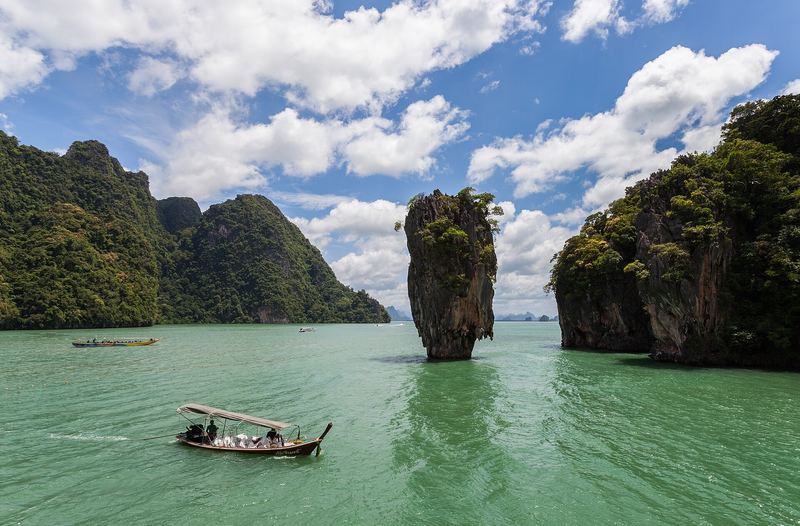
Range is the main argument. Few countries let you sleep on a boat in a bay of roughly 1,600 limestone islands, walk a centuries-old trading port by lantern light and swim off a white-sand beach within the same week. Vietnam also has a food culture that couples remember long after the tan fades: pho at a plastic table in Hanoi, cao lau noodles in Hoi An, grilled seafood on Phu Quoc dipped in the island's own pepper and fish sauce.
Value matters too. A beautiful boutique hotel in Hanoi's Old Quarter or a riverside villa in Hoi An costs far less than its equivalent in Europe, so many couples can afford a splurge or two at places like Four Seasons Resort The Nam Hai or Six Senses Con Dao. People are welcoming to Americans. Younger Vietnamese in the cities often speak good English and are curious about where you are from. If you want a honeymoon that keeps you curious rather than horizontal for two weeks, this is a strong pick.
Best Time to Visit
There is no single best month for the whole country because Vietnam has three climates. The north (Hanoi, Ha Long Bay, Ninh Binh and Sapa) has a real winter. December through February can be gray and cool, sometimes in the 50s in Hanoi and near freezing in Sapa. Its best stretches are March to April and late September to November. Summer is hot and humid, with storms that occasionally cancel bay cruises.
Central Vietnam, including Hoi An and Da Nang, is at its best from February to May. Rain builds from September. Mid-October through November is flood season, when the old town's streets can take on river water overnight. The south and Phu Quoc are dry and sunny from November to April, then rainy from May to October.
For a full north-to-south trip, late February through April is the sweet spot. Avoid the Lunar New Year (Tet) week in late January or February unless you are happy with shuttered shops and sold-out trains.
Where to Go
Most honeymoons here combine one city, one natural wonder and one beach. These are the places we cover in depth.
Hanoi is the capital and the best introduction: lakes, French colonial boulevards and the densest street food scene in the country. Ha Long Bay, with its quieter neighbor Lan Ha Bay, is where you spend a night on a boat among the karsts. Ninh Binh offers the same limestone scenery on land, with rowboat trips through caves and rice fields about two hours south of Hanoi. Sapa sits in the mountains near the Chinese border, with terraced valleys and hill-tribe villages for couples who like to hike.
In the center, Hoi An is the romantic anchor of most itineraries, with tailors, lanterns and beach resorts a short ride away. Down south, Phu Quoc is the resort island with the widest choice of beach hotels and sunsets over the Gulf of Thailand. Con Dao is the quiet alternative: one main island, a national park and nesting sea turtles in season.
Sample 10-Day Itinerary
Days 1–2: Land in Hanoi, sleep off the flight and spend a day on the Old Quarter, Hoan Kiem Lake and a street food walk after dark.
Days 3–4: Drive about two and a half hours to the coast for a one-night cruise in Lan Ha or Ha Long Bay, kayaking into lagoons and waking up among the islands. Cruises usually dock around midday, so you can be back in Hanoi in time for an evening flight to Da Nang.
Days 5–7: Base yourselves in Hoi An. Order clothes on the first morning so the fittings fit your schedule, cycle out to the rice fields and watch sunrise from An Bang beach.
Day 8: Fly to Phu Quoc, usually via Ho Chi Minh City, although some airlines fly direct from Da Nang.
Days 9–10: Beach time, a sunset walk on the Kiss Bridge and a boat day around the An Thoi islands before flying home through Ho Chi Minh City.
With two weeks, add two nights in Ninh Binh after Hanoi or swap Phu Quoc for Con Dao.
Budget and Costs
All figures are approximate, per couple and before international flights.
A comfortable mid-range trip with boutique hotels, a mid-level Ha Long cruise and a few domestic flights runs roughly $200 to $350 a day. Luxury, with top beach resorts, a balcony cabin on a high-end cruise and private guides, typically starts around $600 a day and climbs past $1,500 at the most exclusive villas.
Food is where Vietnam spoils you. A bowl of pho or a banh mi on the street costs a couple of dollars. A very good dinner for two with drinks at a nice restaurant is often $40 to $80. Domestic flights frequently cost under $100 each if booked a few weeks out. Spa treatments cost a fraction of US prices.
Round-trip economy airfare from the West Coast often runs about $900 to $1,500, more from the East Coast and in peak months. Tipping is not traditional but guides, drivers and cruise crews appreciate it. Around $5 to $10 per person per day for a guide is a common range.
Getting There and Around
Vietnam Airlines flies nonstop between San Francisco and Ho Chi Minh City, about 16 hours on the outbound leg. Every other routing connects, most often through Tokyo, Seoul, Taipei, Hong Kong or Singapore, with total travel times of 18 to 24 hours from most US cities. An open-jaw ticket, into Hanoi and out of Ho Chi Minh City, saves you a long backtrack.
Inside the country, fly. Vietnam Airlines and Vietjet connect Hanoi, Da Nang, Ho Chi Minh City, Phu Quoc and Con Dao with flights of one to two hours. The north-south railway is scenic between Hue and Da Nang but slow for longer legs. For short trips like Hanoi to Ninh Binh or Ha Long, hire a car with a driver; nearly every hotel can arrange one. In cities, book rides through Grab and skip the unmetered taxis that wait at airports. Renting a scooter without a Vietnamese license is illegal for most visitors and often voids travel insurance, which is reason enough to let someone else drive.
Culture and Etiquette
Vietnamese manners are relaxed, but a few habits help. Cover shoulders and knees at pagodas and temples. Take your shoes off wherever you see others doing it. At the Ho Chi Minh Mausoleum in Hanoi, rules on dress and silence are strictly enforced. Ask before photographing people, especially in the villages around Sapa, where some families now expect a small payment for photos.
Bargaining is normal at markets and with street vendors but not in shops with marked prices. Keep it friendly, since a smile gets further than a hard line. Public displays of affection beyond holding hands draw looks outside tourist areas, so save the kissing photos for the resort.
The war is part of the country's history but rarely a source of friction for Americans today. The War Remnants Museum in Ho Chi Minh City or the Hoa Lo Prison in Hanoi makes for a sobering half day that many couples find worthwhile. When someone raises a glass, join in with mot, hai, ba, yo, the local count of one, two, three, cheers.
Quick tips
- Book Ha Long Bay cruises early in your trip so a storm cancellation can be rebooked.
- The 20,000 and 500,000 dong notes are both blue, so check before you pay.
- Use Grab for rides in Hanoi, Da Nang and Ho Chi Minh City instead of haggling with taxis.