Capri, the Amalfi Coast and Puglia in 11 Days

Capri glamour, Amalfi cliffs and a slow finish in a Puglia masseria

11 days3 stops
Original illustration
At a glance

Start with two nights on Capri after the day-trippers leave, take the boat to the Amalfi Coast for four nights split between sea and cliff views, then cross Italy via Matera to a Puglia masseria for four slow nights of olive groves, white towns and swims. It suits couples who want Italy's glamour and its quieter south in one trip. Go late May to June or September.

Most Amalfi Coast honeymoons end where they start, back in Naples or Rome. This one keeps going east to Puglia, the heel of Italy, where the pace slows and the hotels are fortified farmhouses among olive trees. You get the glamour of Capri and the cliffs of Positano first, then a calmer week's end with white hill towns, long lunches and swims in rocky coves.

Capri comes first because it is easiest from Naples. Two nights is enough to enjoy it after the day boats leave. A ferry takes you across to the Amalfi Coast for four nights, long enough to split between Positano and Ravello if you like. Then a driver takes you across the mountains to Puglia, with a stop in the cave city of Matera on the way.

There are three moves. The longest is a single scenic road day. Fly into Naples and home from Bari or Brindisi to avoid backtracking.

The route

  1. CapriItaly · 2 nights
  2. Amalfi CoastItaly · 4 nights
  3. PugliaItaly · 4 nights
Best months
Late May to June and September
Trip length
11 days
Budget
About $500–1,500 a night for two in boutique and luxury hotels (approximate)

Day by day

Days 1–2: Capri

Fly into Naples (NAP), often connecting through Rome or another European hub, or take the high-speed train from Rome to Naples in about 70 minutes. From Naples, hydrofoils reach Capri in about 50 minutes. Book a hotel porter to meet the boat, since the lanes are stepped and narrow.

On your first evening, take a drink in the Piazzetta once the day visitors have gone. On day two, book a skippered boat around the island in the morning, swimming in coves and passing through the Faraglioni arch. In the afternoon, ride the chairlift up Monte Solaro from Anacapri for the view at golden hour, or walk the Pizzolungo cliff path. If one of you wants a beach club lunch and the other a garden, split the afternoon between a rock-cut beach club and Villa San Michele in Anacapri.

Days 3–6: Amalfi Coast

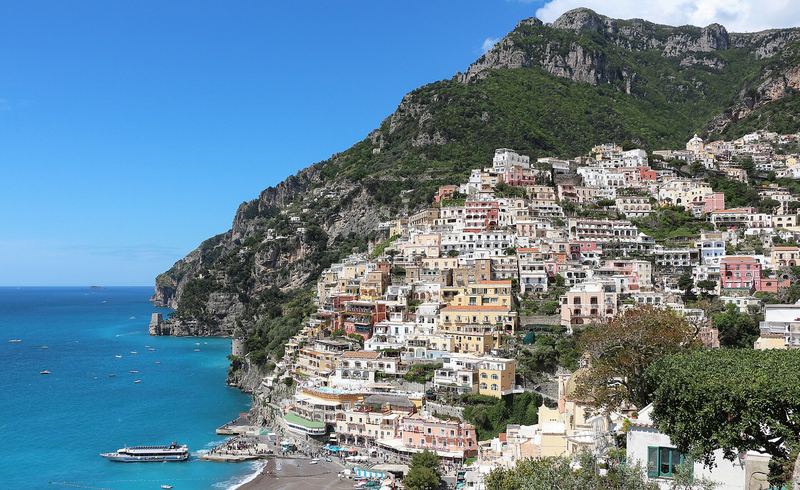
In season, ferries run from Capri to Positano and Amalfi in under an hour. Positano brings energy and boutiques. Ravello, high above the sea, brings calm and gardens. With four nights, many couples split two and two.

On day four, walk the Path of the Gods from Bomerano toward Positano in the morning cool, about three hours mostly downhill, with the coast spread below. Day five is your boat day. Charter a small boat along the coast for swims and a seafood lunch at a beach restaurant reachable only by water.

On day six, visit the gardens of Villa Cimbrone in Ravello and its Terrace of Infinity, then join a lemon grove tour or a cooking class with a local family. In summer, the Ravello Festival holds concerts on a stage above the sea. Keep your splurge dinner for this last night on the coast.

Days 7–10: Puglia via Matera

Hire a private driver for the long transfer to Puglia. The drive takes about four to five hours with traffic, so break it with a lunch stop in Matera, the cave city in Basilicata, where houses and churches are carved into a ravine. Pick up a rental car in Puglia or arrange a driver for the week.

Stay in a masseria in the Itria Valley or near the coast around Savelletri. On day eight, swim at the masseria pool, then drive to Ostuni for the white town in late afternoon light. On day nine, see the trulli of Alberobello in the morning before the tour groups, then book dinner in the sea cave restaurant at Polignano a Mare.

Day ten is your slow day. Take a boat trip to the coastal grottoes or swim from a rock cove, then spend the evening on the masseria terrace. If you have energy, drive to Lecce for its baroque churches after dark, about an hour and a half south.

Day 11: Flying Home

Bari Karol Wojtyła Airport (BRI) is 45 minutes to an hour from the Itria Valley. Brindisi (BDS) is similar from the southern masserie. Seasonal nonstops from the US to Bari have run in recent summers, so check current schedules. Otherwise connect through Rome, Milan or another European hub.

Leave plenty of time between connections, at least two to three hours. Booking both legs on one ticket protects you if the first flight is late.

If your flight home leaves early, consider a final night in Bari's old town or near the airport. Return the rental car at the airport and allow time for fuel and paperwork.

Getting Between Stops

Naples to Capri is a hydrofoil of about 50 minutes from the Molo Beverello port. Capri to Positano or Amalfi is a ferry of under an hour in season. Book ahead in summer.

Amalfi Coast to Puglia is the long day. A private driver takes about four to five hours depending on traffic, more with a stop in Matera. You can also take the train from Salerno, changing toward Bari, but it is slower and less comfortable with luggage.

Do not drive yourselves on the Amalfi Coast. The road is narrow and congested, with summer restrictions on non-resident vehicles. Use ferries, buses and private drivers instead.

In Puglia, rent a car. The masserie, beaches and towns are spread out. Public transport is limited. Historic centers are closed to traffic and enforced by cameras, so park at the edge and walk in.

Where to Stay

On Capri, Hotel Punta Tragara sits on a quiet bluff above the Faraglioni. J.K. Place Capri has a stylish beach-house feel above Marina Grande. Hotel Caesar Augustus in Anacapri has a famous cliff-edge terrace. Family-run guesthouses in both towns offer good value.

On the Amalfi Coast, Le Sirenuse in Positano is the classic, with candlelit dinners and the town at your feet. Hotel Santa Caterina, just outside Amalfi, has elevators to a private beach club. Caruso, A Belmond Hotel, crowns Ravello with its infinity pool. Monastero Santa Rosa in Conca dei Marini is a 20-room former convent with total privacy.

In Puglia, Borgo Egnazia near Savelletri is the best-known resort, with a big spa. Masseria San Domenico nearby is a fortified farm with a seawater pool. Masseria Torre Maizza, a Rocco Forte hotel, is smaller and polished among olive trees near the coast.

When to Go

Late May to June and September are the best months. The sea is warm, ferries run full timetables and the crowds are lighter than in high summer.

August is the worst time for this route. Italians are on holiday, Capri and Positano are packed and prices peak in Puglia's masserie.

July works if you can handle heat and higher rates. Book well ahead for every stop.

Most Capri and Amalfi Coast hotels close from November to March. April and October are quieter shoulder months, but some boat services are reduced and the sea is cool for swimming. Puglia stays open longer and is lovely in October for olive harvest season, which suits couples who care more about food than swimming.

What It Costs

This is one of Italy's most expensive routes in summer. As an approximate guide, Capri's top hotels such as Hotel Punta Tragara and Hotel Caesar Augustus start around $1,000 a night for two in season, with guesthouses far less. Amalfi Coast luxury hotels often run $1,000 to $2,000 or more in June and September. Puglia's best masserie, such as Masseria Torre Maizza, start around $900, while smaller family masserie cost much less.

The Amalfi to Puglia driver is a significant cost, but it saves a long, complicated train day.

The things worth paying for are a skippered boat on Capri and on the Amalfi Coast, dinner at the Polignano sea cave restaurant and a cooking class. Mix splurge hotels with smaller guesthouses to balance the budget.

Tips for the Two of You

Capri, Positano and Ravello are built on stairs. Pack light and book hotel porters, especially for ferry arrivals.

Summer sun is strong on the coast. Bring hats, reef-safe sunscreen and water shoes for rocky beaches.

Churches ask both of you to cover shoulders and knees, so carry a light scarf or shirt.

The Path of the Gods has steep, uneven sections. Wear proper walking shoes and start early to avoid midday heat.

This route serves different tastes. One of you might hike the Path of the Gods while the other takes a cooking class or a spa morning, then meet for lunch. In Puglia, one could cycle the Itria Valley lanes while the other reads by the pool.

Watch for pickpockets in Naples and on crowded ferries. Late taxis are easy to arrange through your hotel.

Make It Shorter or Longer

With a week, skip Capri and spend four nights on the Amalfi Coast with a boat day to the island, then three in Puglia.

With 14 days, add two or three nights in Rome at the start, taking the train to Naples. Or add a night in Matera itself, sleeping in a cave hotel, to break the drive to Puglia.

In Puglia, add two nights in Lecce or on the Salento coast farther south for more swimming and baroque streets.

Couples who want more islands can add Ischia or Procida from Naples, both quieter and greener than Capri. If you would rather end at the sea than in the countryside, reverse the second half and finish with two nights on the coast near Monopoli or Polignano a Mare.
FAQ

Planning this trip

Can we combine the Amalfi Coast and Puglia on one honeymoon?

Yes. The two regions are about four to five hours apart by car. A private driver makes the transfer easy. A lunch stop in Matera breaks the journey. Combining them gives you Italy's most famous coast and its slower, more affordable south in under two weeks.

How many nights should we spend on Capri?

Two nights is ideal. Capri is busiest in the middle of the day with day-trippers, but evenings and early mornings are quiet. Two nights gives you one full day for a boat trip and Monte Solaro. Many couples prefer to base themselves on the Amalfi Coast for the longer stay.

What is a masseria?

A masseria is a fortified farmhouse in Puglia, often centuries old, converted into a country hotel. They range from simple family farms with a few rooms to luxury resorts with spas and pools. Most sit among olive groves and make an excellent, slow base for a honeymoon.

Do we need a car for this route?

Not on Capri or the Amalfi Coast, where ferries and drivers work better than driving yourselves. In Puglia, a rental car is the easiest way to explore, since masserie, towns and beaches are spread out. Many couples hire a driver for the transfer and rent a car in Puglia.

When is the best time for an Amalfi Coast and Puglia honeymoon?

Late May to June and September. The sea is warm, ferries run full schedules and the crowds are lighter than in July and August. Most Amalfi Coast hotels close from November to March, so avoid winter for this route.

Stops on this route

Honeymoon Huts is reader-supported. When you book through links on this page we may earn a commission, at no extra cost to you. Our picks are editorially independent. How we earn money.