At a glanceA two week road trip with just three bases: a farm estate near Siena, a farmhouse in the Val d'Orcia and a countryside villa between Assisi and Montefalco. It suits couples who care more about long lunches, wine and hill towns than ticking off sights. Go from May to June or in September and October, when the hills are green or golden.
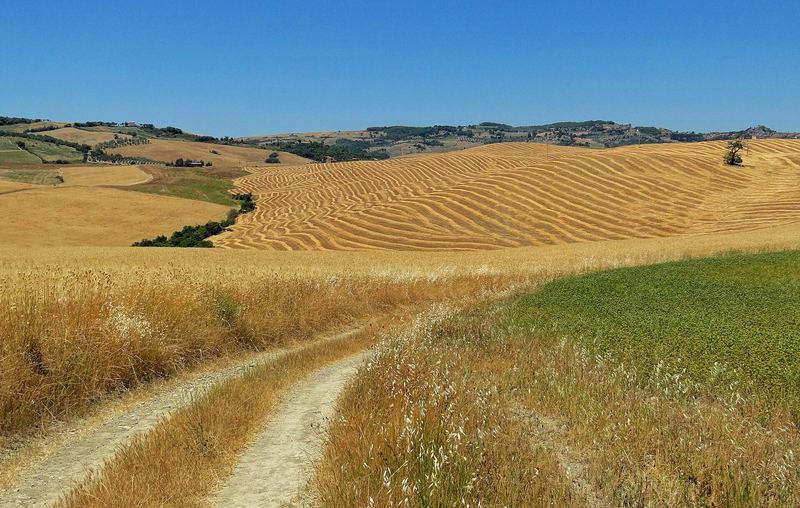
This is the honeymoon for couples who want Italy at walking pace. Instead of chasing cities, you spend two weeks in the countryside of central Italy, moving only twice. The first base is a farm estate in the hills west of Siena. The second is a farmhouse in the Val d'Orcia, the UNESCO-listed valley of cypress lines and hilltop towns. The third is a villa or agriturismo in Umbria, between Assisi, Spello and Montefalco.
The days take shape around simple things. A morning in a medieval town, a long lunch at a family trattoria, a winery visit in the afternoon, a swim and a dinner that lasts three hours. Umbria gives you Tuscany's ingredients with fewer tour buses and lower prices. The contrast between the two regions keeps the second week interesting.
You will need a car. The drives are short, usually under two hours between bases and under an hour on most days out. Fly into Florence or Rome and home from Rome Fiumicino (FCO).
The route
- TuscanyItaly · 7 nights
- UmbriaItaly · 6 nights
- Best months
- May to June and September to October
- Trip length
- 14 days
- Budget
- About $300–700 a night for two in farmhouse and villa hotels, with a splurge estate well above that (approximate)
Day by day
Days 1–3: A farm estate near Siena
Arrive in Florence (FLR) through a European hub, or land at Rome Fiumicino (FCO) and take the high-speed train to Florence, about an hour and a half. Pick up a car and drive roughly an hour and a quarter south to the hills around Chiusdino. Start with the splurge: Borgo Santo Pietro, a medieval villa on an organic farm of about 300 acres, with only 22 rooms and suites. Spend the first afternoon by the pool and eat from the garden.
On day 2, visit the roofless Abbey of San Galgano nearby in the morning light, then return for a cooking class or a nap. Day 3 is Siena. Arrive in the late afternoon, walk the lanes to the shell-shaped Piazza del Campo and sit with a glass of wine as the Torre del Mangia catches the last light. That is the romantic moment of the first stop. Drive back in the dark on quiet country roads, or book a driver if you plan to drink.
Days 4–7: The Val d'Orcia
Drive about an hour and a half to a farmhouse in the Val d'Orcia, near Pienza or San Quirico d'Orcia. These four nights are the heart of the trip and you should plan very little.
On one day, loop through Pienza, rebuilt in the 15th century as an ideal Renaissance town and famous for pecorino, then Montalcino for a booked Brunello tasting at a family cellar. On another, drive to Montepulciano for Vino Nobile and the views from its walls. Book a Vespa tour on the cypress-lined back roads if one of you wants a thrill. In autumn, join a truffle hunter and his dog in the woods, then eat your finds shaved over pasta.
Keep at least one full day for doing nothing. Late in the afternoon, soak in the warm waters of Bagno Vignoni, where a medieval square is built around a thermal pool, then stay for dinner in the village. Pack layers. Evenings in the hills can be cool even in summer.
Days 8–10: Into Umbria
Cross into Umbria on day 8, driving about an hour and a half to two hours to a countryside base between Assisi, Spello and Montefalco. Stop on the way at Lake Trasimeno and take the ferry to Isola Maggiore for a lakeside walk and a fish lunch.
On day 9, get up early and walk Assisi's pink stone lanes before the day visitors arrive, then see the Giotto frescoes in the Basilica of San Francesco soon after it opens. Cover shoulders and knees for both of you; a light scarf helps. Spend the afternoon at your villa's pool.
On day 10, drive to Spello and wander its flower-filled alleys, then settle on a terrace with a glass of Grechetto at sunset. This small town at golden hour is the romantic moment of the Umbria leg, quieter and more lived-in than anything in Tuscany.
Days 11–14: Montefalco, Orvieto and home
Day 11 is for wine. Spend the afternoon tasting Sagrantino, Umbria's powerful red, at family wineries below Montefalco's walls. Many need appointments, so ask your hotel to arrange two visits at most and consider a driver.
On day 12, drive a little over an hour to Orvieto, perched on its volcanic cliff. See the striped facade of the cathedral and the Signorelli chapel, then take a guided tour of the caves and tunnels carved into the rock beneath the town. Orvieto Classico with lunch is the obvious choice.
Keep day 13 slow, with a long last lunch and a final swim. If one of you is a food lover, drive east toward Norcia for black truffles and cured meats; parts of that area are still recovering from the 2016 earthquakes, so check what is open. On day 14, drive a little over two hours to Rome Fiumicino (FCO) for your flight home.
Getting Between Stops
Rent a car for the whole trip. Pick it up in Florence and return it at Rome Fiumicino, which usually costs a one-way fee but saves a long backtrack. Chiusdino to the Val d'Orcia is about an hour and a half. The Val d'Orcia to the Assisi area is about an hour and a half to two hours. Assisi to Fiumicino is a little over two hours.
Roads in both regions are good but narrow and winding in the hills. Every historic center has a ZTL limited-traffic zone with cameras, so park at the edge of town and walk in. Ask your hotel where to park in each town before you set out.
Italy's drink-driving limits are strict. On wine days, hire a driver through your hotel or plan tastings so that one partner is the designated driver and swap the next day.
Where to Stay
In Tuscany, choose countryside hotels rather than towns. Borgo Santo Pietro, near Chiusdino in the province of Siena, is our splurge pick, with a farm, a spa and a kitchen fed from its own gardens. In the Val d'Orcia, look for a restored farmhouse or wine estate with a pool and views toward Pienza or Montalcino. Family-run agriturismi here cost a fraction of the big estates.
In Umbria, the area between Assisi, Spello and Montefalco is the best central base, with wineries and several towns within half an hour. Restored castles, villa estates and simple farm stays are all common. Around Orvieto you are closer to Rome, which suits couples who want an easy last drive.
Whatever you book, ask for a room with a terrace or garden. You will spend more time there than in any museum.
Advertisement
When to Go
May and June are green, with poppies along the roads and warm days that suit walking. Spello's Infiorata, when residents carpet the streets with flower petal designs, falls on the Corpus Domini weekend in late spring.
September and October bring the grape harvest, golden light and food festivals in many towns. October also starts the truffle season, with the prized white truffle season around San Miniato in Tuscany. This is our favorite time for this route.
July and August are hot and the cities are crowded, though countryside hotels with pools stay pleasant. Winter is quiet and many smaller properties close, but it can suit couples who want fireplaces and truffle dinners rather than swims.
Budget and Booking
Countryside central Italy is good value outside the big-name estates. Plan on roughly $300–700 a night for two in good farmhouse and villa hotels, with Borgo Santo Pietro and similar splurges well above that. Umbria usually costs less than Tuscany for comparable rooms. All figures are approximate.
Book the splurge estate first, then the Val d'Orcia farmhouse, since the best small properties fill early for June and September. Book well-known Brunello and Sagrantino estates ahead and let your hotel arrange the smaller family cellars.
Other costs: the rental car and any one-way fee, fuel and tolls, a driver for one or two wine days, cooking classes and a nightly tourist tax at each hotel. Lunches in country trattorias are often the best meals of the trip and among the cheapest.
Make It Shorter or Longer
For ten days, drop the Chiusdino stop and spend five nights in the Val d'Orcia and four in Umbria. You can still visit Siena as a day trip from the valley.
With 16 days, add two or three nights in Rome at the end. Return the car at Roma Termini or the airport, then spend the last days on foot. That gives you a city finale after two weeks of countryside. You then fly home nonstop from Fiumicino.
Couples who want the sea can add four nights on the Amalfi Coast after Umbria instead. Return the car in Rome and take the high-speed train to Salerno or Naples, then a transfer to the coast.
Honeymoon Tips
Book two winery visits a day at most. Mix a historic estate with a small family producer. Remember that many cellars close for lunch.
Visit popular towns like Siena, San Gimignano and Assisi early in the morning or late in the afternoon to avoid tour buses. Stay overnight near at least one hill town so you can walk it after the day visitors leave.
Cover shoulders and knees for both of you in the Basilica of San Francesco and other churches. Pack walking shoes for cobblestones and steep lanes, plus a warm layer for evenings. Couples with different paces can split up for a morning: one hikes or cycles, the other takes a cooking class, then you meet for lunch.
FAQPlanning this trip
Is two weeks in Tuscany and Umbria too long?
Not if you want a slow honeymoon. With only three bases you are never packing more than twice and you have time for long lunches, pool afternoons and wine tastings without a schedule. Couples who get restless can add Rome at the end or swap the last few days for the Amalfi Coast, but most find the countryside pace is the point.
What is the difference between Tuscany and Umbria for a honeymoon?
Tuscany has the more famous names: Siena, Brunello, the Val d'Orcia and a long list of luxury estates. Umbria offers similar hill towns, olive groves and food with fewer tour buses and lower prices. Its towns, such as Assisi, Spello and Montefalco, feel more lived-in. Doing both shows you two sides of central Italy.
Do we need a car for this route?
Yes. Trains link Florence, Siena, Assisi, Spello and Orvieto, but the farmhouse hotels, wineries and small towns that make this trip are best reached by car. Rent the smallest model that fits your luggage, avoid ZTL zones in town centers and hire a driver for heavy tasting days.
Where should we fly in and out?
Fly into Florence (FLR) through a European hub, or into Rome Fiumicino (FCO) with a high-speed train to Florence of about an hour and a half. Fly home from Fiumicino, which has nonstop flights to many US cities and is a little over two hours by car from the Assisi area.
Can we visit Florence on this trip?
Yes. Spend a night in Florence on arrival before picking up the car, or take the train in from a Tuscan base for a day. Florence is crowded in high season, so book the Uffizi and the Duomo climb ahead. Most honeymooners on this route find one day is enough before heading back to the hills.