The Feel of Each Island
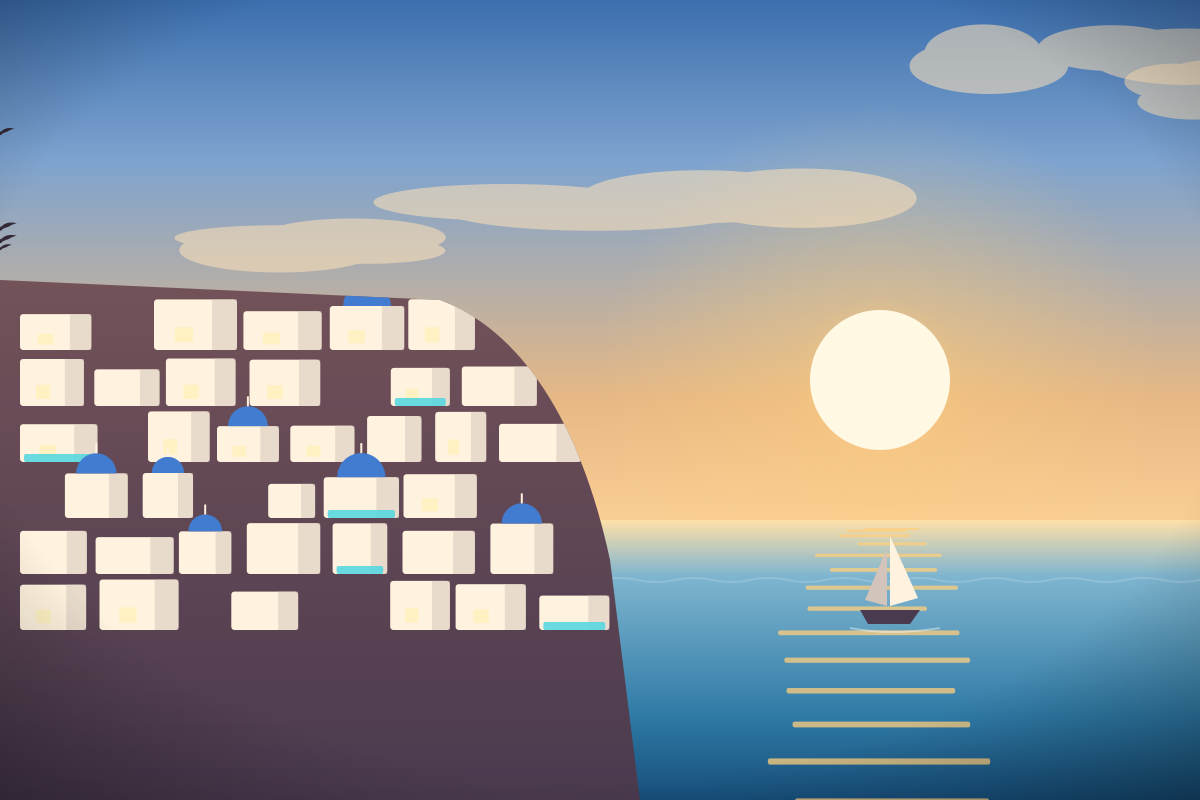
Capri has a split personality. At noon it can feel like a theme park, with crowds shuffling between Marina Grande, the funicular and Via Camerelle. By eight in the evening it is a different place: the Piazzetta fills with people who are staying, the cliffs turn pink and dinner feels like an occasion. Couples who stay overnight get the best of it, which is why we suggest two or three nights rather than a day.
Ischia never really has that crush. Locals far outnumber visitors outside August. Trattoria prices are reasonable and you can still find a quiet stretch of beach. The mood is restorative rather than glamorous, with days spent moving between warm pools and the sea.
The Roman emperor Tiberius ruled from a villa on Capri. The island has drawn the wealthy ever since. Ischia's guests have always come for the water. That history still sets the tone on both.
Hotels and the Bill
Capri's best-known hotels are among the most expensive in Italy in July and August. Hotel Punta Tragara sits on a quiet bluff facing the Faraglioni, from roughly $1,000 a night in shoulder season. Hotel Caesar Augustus, high on the cliffs in Anacapri, starts around $1,100. J.K. Place Capri, with its beach-house feel above Marina Grande, starts closer to $2,000. Family-run guesthouses in Capri town and Anacapri offer much better value.
Ischia gives you more for the money. Mezzatorre, set in a sixteenth-century watchtower on a wooded headland near Lacco Ameno with its own thermal spa, starts around $800 a night. Regina Isabella in Lacco Ameno is a long-established grand hotel with thermal treatments. Forio and Lacco Ameno have a cluster of good hotels with sunset views. Look for one that includes a thermal pool, which saves on daily park tickets.
All prices are approximate. For a long stay, Ischia stretches a budget far further.
Swimming, Springs and Sea Days
Capri's sea is all about boats. Charter a small skippered boat to loop the island, swimming in coves you cannot reach by land and floating through the arch under the middle Faraglioni stack. Lunch at a beach club tucked under the rocks, such as La Fontelina or Da Luigi ai Faraglioni, is a Capri tradition. The Blue Grotto is famous but closes often in rough seas, so treat it as a bonus.
Ischia's water is warm in more ways than one. Spend a full day at a thermal park such as Poseidon in Forio or Negombo in Lacco Ameno, moving between pools of different temperatures and the sea. Take a water taxi from Sant'Angelo to the Bay of Sorgeto, where hot springs bubble into rocky sea pools, especially atmospheric at dusk.
Limit thermal soaks to about 20 minutes at a time and drink plenty of water. If either of you has heart or blood pressure concerns, or you are pregnant, check with a doctor first. Water shoes help on both islands.
On Foot and on Land
Capri is steep and best explored on foot. Ride the single-seat chairlift from Anacapri to the top of Monte Solaro for the highest view on the island. Walk the Pizzolungo path from the Arco Naturale to Punta Tragara in the late afternoon. Visit Villa San Michele in Anacapri for its gardens and sphinx terrace. Many paths are stone steps, so pack proper walking shoes.
Ischia has bigger landscapes. Hike Mount Epomeo, about 788 meters high, for views across the Gulf of Naples, then come down for a farmhouse lunch on the slopes. Wander Giardini La Mortella in Forio, created by the composer William Walton and his wife Susana, one of the loveliest gardens in southern Italy. Walk the stone causeway to the Castello Aragonese late in the day, when the light reaches Procida and Vesuvius.
Capri's walks are shorter and more polished. Ischia's give you more variety and more room to roam.
Arriving and Moving Around
Both start in Naples (NAP). Seasonal summer nonstops from the US have linked Naples with the New York area in recent years. Otherwise connect through Rome or a European hub, or take the high-speed train from Rome to Naples in about 70 minutes.
From Molo Beverello in Naples, hydrofoils reach Capri in about 50 minutes. Sorrento is even closer, at roughly 20 to 25 minutes. Boats also run from Positano and Amalfi in season. Ischia is about an hour by fast ferry from Naples, with boats from Pozzuoli too.
Neither island needs a car. On Capri, a funicular links Marina Grande with Capri town. Small buses and open-top taxis connect the towns. Book hotel porters for your luggage, since the lanes are stepped. Ischia's buses circle the coast frequently and cheaply. Taxis and three-wheeled microtaxis are easy to find.
Ferries on both routes can be canceled in strong wind, so leave a buffer before your flight home.
Eating and Drinking
Capri gave the world the insalata caprese: tomatoes, fresh mozzarella, basil and olive oil. Order it everywhere and compare. Ravioli capresi come filled with local cheese and marjoram. Torta caprese, a flourless chocolate and almond cake, is the dessert. Evening drinks at the bars around the Piazzetta cost more for the view, which is the point. Dress a little smarter for dinner.
Ischia's table is more rustic. The signature dish is coniglio all'ischitana, rabbit slow-cooked with tomato, garlic, white wine and herbs, best at farm restaurants in the hills. On the coast, eat spaghetti with clams and fried anchovies. The island makes its own crisp whites from Biancolella and Forastera grapes grown on volcanic terraces, poured cheaply by the glass. Finish with rucolino, a bittersweet herb liqueur.
For glamour at dinner, Capri wins. For honest, inexpensive cooking with a sunset view in Forio or Sant'Angelo, Ischia does better.
When to Go and How to Combine
Both islands run on a season from around Easter to late October. Late May through mid-June and September are best, with warm water and everything open. August is the month to avoid on Capri, with packed ferries and top rates. Ischia is very busy then with Italian families. Ischia's thermal pools stay warm regardless of air temperature, so April and October work well there for a spa-focused stay.
Combining them is easy. Boats link Ischia and Capri directly in season, or you can route through Naples. A balanced plan is four nights on Ischia to unwind, then two or three on Capri as the finale. Procida, a short hop from Ischia, makes a peaceful extra night. With more time, add the Amalfi Coast, which is closer to Capri.
If you can only choose one, let the length of your trip decide. Short trips suit Capri. Longer, slower ones suit Ischia.