The Feel of Each Region
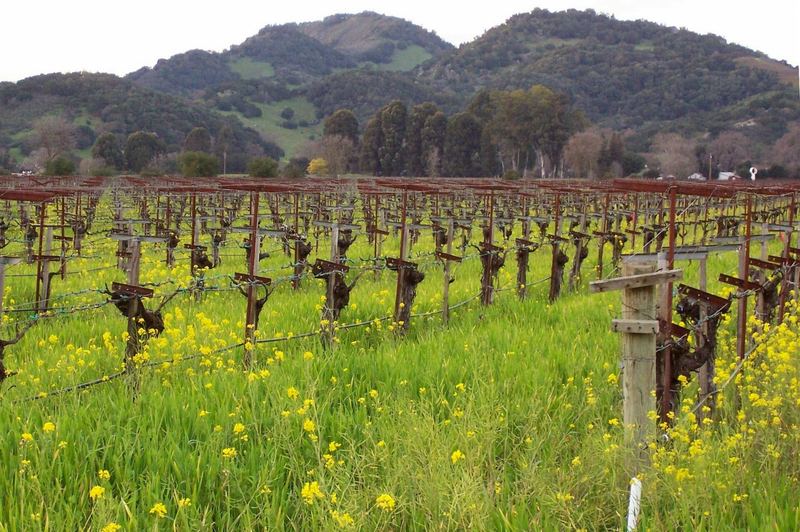
Napa is concentrated and polished. The valley floor is a patchwork of vines framed by the Mayacamas to the west and the Vaca Range to the east, with stone wineries, olive groves and late afternoon light that turns the hills gold. Its towns line up neatly from south to north: the city of Napa with its riverfront, walkable Yountville, village-like St. Helena and spa-focused Calistoga. Everything feels curated. The experience is designed around comfort.
Sonoma is spread out and more rural. Healdsburg is its stylish hub, with a leafy plaza ringed by tasting rooms and serious restaurants. The town of Sonoma has a Spanish mission and a plaza of its own. Sebastopol and Guerneville feel like countryside, with apple orchards, farm stands and cabins under tall trees. Back roads such as Westside Road and Dry Creek Road are a pleasure to drive or cycle. If Napa is a grand dinner party, Sonoma is a long, unhurried weekend with friends who happen to make wine.
Wine and Tasting Style
Napa is best known for Cabernet Sauvignon, especially from Rutherford, Oakville and Stags Leap, with fine Chardonnay, Sauvignon Blanc and sparkling wine too. Many estates operate by appointment. Seated or private tastings at famous houses can book up days or weeks ahead in peak season. Tasting fees at top estates can be significant, so budget for them. Our Napa guide suggests mixing one famous estate with a small family producer each day and stopping at two or three.
Sonoma's range is its strength. In one day you can taste Russian River Pinot Noir and Chardonnay, Dry Creek Zinfandel and Alexander Valley Cabernet. Wineries are often small and family run, so tastings happen on a patio overlooking the vines. Seated tastings commonly cost about $30 to $100 per person, generally lower than in Napa. Reservations are easier outside fall weekends. Some tasting rooms on the Healdsburg plaza still welcome walk-ins. Both regions reward the same rule: three tastings a day is plenty.
Beyond the Glass
Napa's best non-wine moment happens in the air. Hot-air balloons launch at dawn and drift over the vineyards, usually followed by a celebratory breakfast. On the ground, Calistoga's classic treat is a volcanic-ash mud bath followed by a mineral soak. The Napa Valley Wine Train serves lunch or dinner in vintage rail cars. The Napa Valley Vine Trail is good for a short bike ride. Olive oil tastings and picnics round things out.
Sonoma has more for a partner who wants a break from wine. In summer, rent a canoe and float a calm stretch of the Russian River, stopping at gravel beaches to swim. Walk the short, flat loop through old growth trees at Armstrong Redwoods State Natural Reserve near Guerneville. Drive Highway 1 along the Sonoma Coast to Goat Rock and Jenner, where the river meets the ocean, but stay on the sand: sneaker waves and rip currents make these beaches dangerous. Balloon flights, thermal spas, craft beer and hard cider around Sebastopol fill any gaps.
Where You Will Sleep
Napa's signature honeymoon hotel is Auberge du Soleil, on a terraced olive grove on Rutherford Hill above the Silverado Trail. Every room has a fireplace and terrace, the hotel calls itself an adult retreat and sunset dinner on its terrace is a Napa rite of passage. Beyond it, Yountville has boutique inns within a stroll of acclaimed restaurants, St. Helena sits among famous estates and Calistoga has spa resorts built on hot springs. Expect premium prices: at harvest, Auberge du Soleil and its peers commonly run well over $1,000 a night (approximate).
Sonoma's lodging is cozier and usually cheaper. Farmhouse Inn in Forestville has 25 rooms on six acres between the vineyards, the redwoods and the coast, with fireplaces and farm-focused cooking. In Healdsburg, Hotel Healdsburg and h2hotel sit by the plaza while Montage Healdsburg spreads bungalows across oak-covered hills. Near the town of Sonoma, the Fairmont Sonoma Mission Inn has its own thermal mineral water. Good inns run roughly $350 to $700 a night in season, with luxury resorts above that (approximate).
Eating Your Way Through
Napa is one of America's great food destinations. Yountville alone has an extraordinary concentration of acclaimed restaurants, led by Thomas Keller's The French Laundry, which needs reservations well in advance. Michelin-starred dining rooms sit alongside casual bistros, taquerias, bakeries and farm stands, so you can balance a tasting menu with a picnic lunch from a local deli. The restaurant at Auberge du Soleil is one of the valley's most celebrated tables.
Sonoma cooks with what grows nearby, which is a lot: heirloom tomatoes, Gravenstein apples, goat cheese from small creameries and Dungeness crab on the coast in winter. Healdsburg has the most ambitious restaurants, including SingleThread, a multicourse tasting menu with a few guest rooms upstairs. Oysters at Bodega Bay and Tomales Bay make a good coast-day lunch. Dress is relaxed nearly everywhere in Sonoma. Smart casual covers even the fancier dinners. Napa leans a little dressier at its top restaurants.
When to Go and Getting There
Both regions peak at harvest, roughly late August through October, with warm days, buzzing wineries and the highest prices. Late spring is the best alternative in both, with green vines and easier reservations. Napa's winter is cozy and quiet. From January into March mustard blooms yellow between the dormant vines. Sonoma's inland valleys get hot in July and August, often in the 90s, while the coast stays cool and foggy, which makes a split stay sensible. Late summer and fall are also wildfire season in Northern California, so keep plans flexible and check air quality.
Most couples fly into San Francisco (SFO) or Oakland (OAK). Napa's southern end is about an hour to an hour and a half away. Healdsburg is about 1.5 to 2 hours, depending on Golden Gate traffic. Charles M. Schulz Sonoma County Airport (STS) in Santa Rosa is closer to both. You will want a driver or tour on tasting days in either region, since wine tasting and driving do not mix.
Can You Combine Them?
Easily. Many couples do. The two regions are neighbors, linked by roads over and around the Mayacamas, so a week can include three nights in Napa and four in Sonoma without long drives. A good order is Napa first, while you are in the mood for big dinners and spa time, then Healdsburg or the Russian River Valley for a slower finish with redwoods, a river float in summer and a coast day.
If you only have three or four nights, pick one. Choose Napa for a concentrated, indulgent trip with a balloon flight and a splurge dinner. Choose Sonoma if you want four or five nights with variety, or if one of you would happily trade a tasting for a hike. Either way, book weekend tastings and dinner tables before you arrive, mention your honeymoon when you do and ask wineries to ship bottles home rather than packing them. Shipping rules vary by state, so check yours.