Cabernet Country or Pinot Land
Napa is best known for Cabernet Sauvignon, especially from Rutherford, Oakville and Stags Leap, with excellent Chardonnay, Sauvignon Blanc and sparkling wines too. Tastings range from grand estates to small family producers. Many now require reservations. Fees can be significant at top wineries.
The Willamette Valley built its name on Pinot Noir, which thrives in its cool, damp climate. The styles run from light and fruity to rich and earthy. Chardonnay, Pinot Gris and sparkling wine are excellent too. Most wineries are small and owner run. It is common to meet the winemaker in the tasting room. Fees typically run about $25 to $60 per person and are often waived with a bottle purchase.
If you love bold reds and famous labels, Napa delivers. If you prefer elegant, earthy Pinot and conversations with the people who make it, Oregon feels more personal.
The Landscape Around You
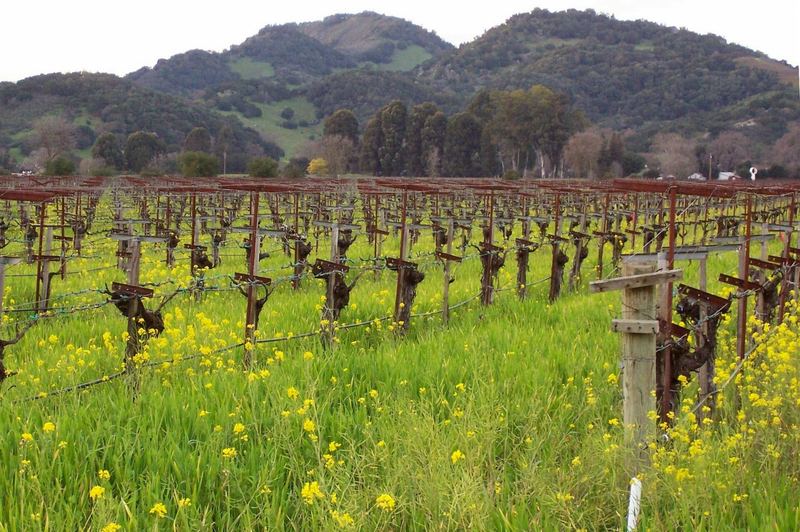
Napa's valley floor is a patchwork of vines framed by the Mayacamas Mountains to the west and the Vaca Range to the east. The late-afternoon light is famously golden. From January into March, yellow mustard blooms between dormant vines. Stone wineries, olive groves and small towns line two main roads, Highway 29 and the quieter Silverado Trail, so distances are short.
The Willamette Valley is green and gentle rather than dramatic. Hilltop tasting rooms look across farmland toward the Cascades, with Mount Hood and Mount Jefferson appearing on clear days. Country roads wind through hazelnut orchards and oak woods. The valley stretches more than 100 miles north to south, so you plan tasting days by area, usually the Dundee Hills, Chehalem Mountains or Eola-Amity Hills.
Napa looks polished and compact. Willamette looks pastoral and spread out, with more of an off-duty farm-country feel.
Places to Stay
Napa's top pick is Auberge du Soleil, on a terraced olive grove on Rutherford Hill above the Silverado Trail. Every room has a fireplace and terrace, the restaurant is one of the valley's most celebrated and sunset dinners on its terrace are a Napa rite of passage. Beyond it, Yountville is the most walkable base with boutique inns, St. Helena feels like a classic wine village, Calistoga is known for spa resorts and hot springs, while the city of Napa has a lively riverfront.
In the Willamette Valley, many couples base themselves near Newberg, Dundee or McMinnville. The Allison Inn and Spa in Newberg is the region's best known luxury resort, with a large spa, vineyard views and its restaurant, Jory. The Atticus Hotel offers a boutique stay in McMinnville's walkable historic downtown. Smaller inns, B&Bs on working vineyards and farmhouse cottages are scattered through the hills.
Dinner Reservations
Napa is one of America's great food destinations. Yountville alone has an extraordinary concentration of acclaimed restaurants, led by Thomas Keller's The French Laundry, which requires booking well in advance. Michelin-starred dining rooms sit alongside bistros, taquerias, bakeries and farm stands, so you can balance a tasting menu with a picnic from a local deli. Add a sparkling wine toast and an olive oil tasting.
The Willamette Valley's food culture is farm-driven and relaxed. Restaurants lean on Oregon truffles in winter, wild mushrooms in fall, berries and stone fruit in summer and hazelnuts year-round. The Joel Palmer House in Dayton is known for mushroom-focused cooking in a historic home. McMinnville, Newberg, Dundee and Carlton all have restaurants pairing local wines. Many wineries serve small plates or picnic baskets. Portland's food scene is an hour away.
Napa wins for a landmark celebration dinner. Willamette wins for easy, excellent meals without a months-long booking chase.
Best Seasons
Napa is a year-round destination. Harvest, roughly late August to October, brings warm days and a buzz at every winery, but it is also the busiest and most expensive time. Spring brings green vines and wildflowers with better rates. Summer is hot on the valley floor. Winter is cool, quiet and cozy, with fireplaces and fewer crowds. Late spring and early fall offer the best balance.
The Willamette Valley has a clearer window. June through early October is reliably dry and warm, often in the 80s, with long evenings on winery patios. July and August are busiest, with outdoor events and the International Pinot Noir Celebration in McMinnville in late July. Harvest in September and early October brings crisp mornings. Late fall through spring is gray and rainy, though rates drop and Thanksgiving weekend open houses are fun.
Wildfire smoke can affect late-summer and fall days in both regions, so keep a little flexibility in your plans.
The Price Gap
This is Willamette's strongest argument. Inns and boutique hotels in the valley typically run about $200 to $450 a night. Tasting fees are moderate and often waived with a purchase. Dinners at good local restaurants cost far less than Napa's headline tables.
Napa charges premium prices across the board, especially at harvest, when Auberge du Soleil and its peers commonly run well over $1,000 a night. Tasting fees at top estates add up quickly. A private driver for tasting days is another real cost. Midweek visits help, since tasting rooms are quieter and hotel rates often dip.
All figures are approximate and shift with season and weekends. A four-night Willamette trip at a good inn can cost less than two nights at Napa's top resorts, which leaves room in the budget for a balloon ride, a spa day or extra days on the Oregon coast. If the splurge itself is part of the celebration, Napa earns it.
Getting There and Beyond
For Napa, most couples fly into San Francisco (SFO) or Oakland (OAK), each about an hour to an hour and a half from the southern end of the valley. Santa Rosa (STS) is smaller but closer. Napa pairs naturally with San Francisco or a drive down the coast to Big Sur.
For the Willamette Valley, fly into Portland (PDX), which has nonstops from many US cities and sits about an hour from Newberg, Dundee and McMinnville. Combine it with Portland or drive west to the Oregon coast, where Cannon Beach is about 1.5 to 2 hours from wine country.
In both places, wine tasting and driving do not mix. Hire a private driver or join a small-group tour for tasting days. Limit yourselves to two or three tastings a day so you can enjoy them. Ask wineries about shipping before you buy cases, since state rules vary.