Napa Valley and Sonoma in 5 Days

Redwoods and Zinfandel first, then Cabernet, mud baths and a balloon.

5 days2 stops
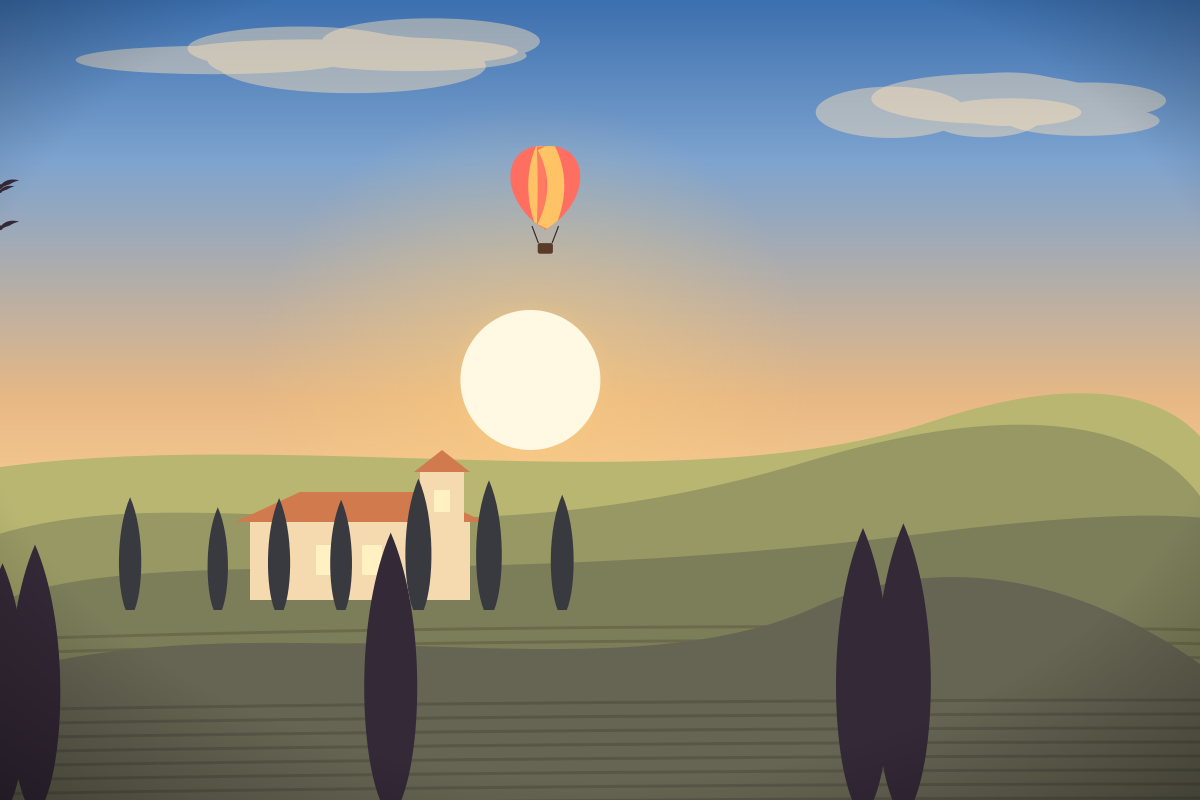
Original illustration
At a glance

A long weekend in wine country: two nights in Healdsburg in Sonoma County and two in Napa Valley, about an hour apart. It suits couples who love food and wine and want a short, easy honeymoon close to home or before a bigger trip later. Late spring and early fall are best.

Napa Valley and Sonoma make a 5-day honeymoon that feels like a long, delicious weekend. The two wine regions sit side by side north of San Francisco, about an hour apart by car, but they have different moods. That is the reason to do both.

You start with two nights in Healdsburg, Sonoma County's most walkable wine town, with tasting rooms around a leafy plaza. From there you reach the Dry Creek and Russian River valleys, old growth redwoods and the wild Sonoma Coast. It is relaxed, rural and a little cheaper.

Then you cross the Mayacamas Mountains to Napa Valley for two nights of polish. You float over the vineyards in a hot-air balloon at dawn, soak in a Calistoga mud bath and book one seated tasting at a famous estate. The splurge is a sunset dinner on a terrace above the valley floor.

Late spring and early fall bring the best balance of weather, scenery and atmosphere. Harvest, from late August to October, is the busiest and most exciting time.

The route

  1. Sonoma CountyUnited States · 2 nights
  2. Napa ValleyUnited States · 2 nights
Best months
May to early June and September to October
Trip length
5 days
Budget
About $500–1,500 a night for two in wine country inns and resorts, plus tastings (approximate)

Day by day

Days 1–2: Healdsburg and the Russian River

Fly into Charles M. Schulz Sonoma County Airport (STS), 15 to 25 minutes from Healdsburg, or into San Francisco (SFO) and drive about 1.5 to 2 hours over the Golden Gate Bridge. Check in, walk to the plaza and do a tasting or two on foot. Have dinner in town.

On day two, start in the redwoods. Drive about 30 minutes to Armstrong Redwoods State Natural Reserve near Guerneville and walk the flat loop through old growth trees before the day trippers arrive. Continue west along the river to Jenner, where it meets the ocean. Then drive Highway 1 south to Goat Rock and the overlooks above the sea stacks. Bring a jacket, since the coast is often cool and foggy even in summer.

In the afternoon, head back inland for a picnic among the vines in Dry Creek Valley. Collect sandwiches and cheese in Healdsburg first, then spread out at a winery that welcomes picnics with a bottle of its Zinfandel. In summer, swap the coast for a canoe float on a calm stretch of the Russian River.

Day 3: Over the Hills to Napa Valley

Leave Healdsburg after breakfast and drive about an hour to Napa Valley, crossing the hills via Calistoga at the valley's northern end. Stop in Calistoga for its classic treat: a volcanic ash mud bath followed by a mineral soak, side by side. Book ahead.

Have a long lunch in Calistoga or St. Helena, then settle into your hotel. If you can manage one more tasting, choose a seated tasting at an estate on the quieter Silverado Trail, which runs along the eastern side of the valley.

Tonight is the splurge. Book a terrace table for sunset at Auberge du Soleil on Rutherford Hill, where the vineyards turn gold below you as the sun drops behind the Mayacamas. Ask for the edge of the terrace. Hire a driver or take a rideshare so that neither of you has to drive.

Days 4–5: Balloon, Yountville and Home

Set an early alarm on day four for a hot-air balloon flight. Balloons launch at dawn and drift over the vineyards as the sun lights up the valley, usually followed by a celebratory breakfast. It is the romantic moment of the trip. Back at the hotel, nap.

In the afternoon, book one private or seated tasting at a famous Cabernet house, then one at a small family producer for contrast. Many wineries require reservations, so plan these ahead. If you would rather not drink all afternoon, ride the Napa Valley Wine Train for a multicourse lunch in vintage rail cars, or cycle a stretch of the Napa Valley Vine Trail. End with dinner in Yountville, the valley's most walkable town, where acclaimed restaurants line a single main street.

On day five, have a slow breakfast and drive about an hour to an hour and a half to SFO or Oakland (OAK), depending on traffic.

Getting Between Stops

Charles M. Schulz Sonoma County Airport (STS) near Santa Rosa is the closest airport to Healdsburg, with nonstop service from a handful of West Coast cities and some seasonal routes. Most couples fly into San Francisco (SFO) or Oakland (OAK) instead. Sacramento (SMF) is another option, about 1.5 hours from both regions.

You need a car. Wineries are spread out. Buses do not link them usefully. The drive from Healdsburg to Napa Valley takes about an hour, usually via Calistoga.

Wine tasting and driving do not mix. Plan tasting days with a private driver by the hour, a small-group tour or rideshare. Keep self-drive time for the coast, the redwoods and the transfer between regions. Rideshare works around Healdsburg and Napa's towns, but it can be slow to find on rural roads at night.

Where to Stay

In Sonoma, Healdsburg is the easiest base for a first visit. Hotel Healdsburg and h2hotel sit right by the plaza. Montage Healdsburg spreads its bungalows across oak-covered hills just outside town and is the splurge. The Farmhouse Inn in Forestville, in the Russian River Valley, is a longtime favorite with couples for its fireplace rooms and farm-focused cooking.

In Napa Valley, our top pick is Auberge du Soleil on Rutherford Hill above the Silverado Trail. Every room has a fireplace and terrace. The hotel describes itself as an adult retreat. Yountville is the most walkable base, with boutique inns and restaurants on one street. Calistoga suits couples who want spa resorts and hot springs. St. Helena puts you near many famous estates.

Check minimum stays on weekends, which are common in high season.

When to Go

Late spring and early fall are the best times for this trip. May and early June are green, mild and quieter, with easier reservations. September and October bring harvest, warm days and a buzz in every winery, but also the highest prices. Book early for those months.

July and August are hot inland, often in the 90s Fahrenheit, while the Sonoma Coast stays cool and foggy. That contrast makes a split stay sensible in summer. Balloon flights are most reliable in the calm air of summer mornings.

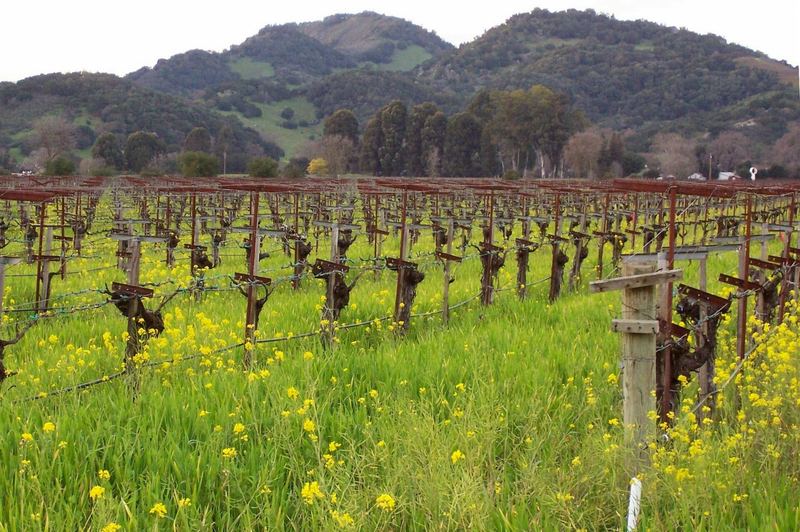
Winter is cool, quiet and cozy, with fireplaces, empty tasting rooms and lower rates. From January into March, yellow mustard blooms between the dormant vines.

Late summer and fall are wildfire season in Northern California. Keep bookings flexible where you can and check air quality before heading out.

Budget and Booking

Wine country is expensive, especially Napa. As an approximate guide, good inns in Healdsburg often run about $400 to $800 a night for two, with Montage Healdsburg and Auberge du Soleil often well over $1,000 in high season. Weekday rates are often lower than weekends.

Tastings add up. Seated tastings at well-known Napa estates often cost $75 to $150 or more per person (approximate). Many require reservations. Mix one famous estate with smaller producers. Share a tasting when you can. Many wineries waive a fee if you buy bottles.

Book the hotels first, then the balloon, the Calistoga spa, the Auberge terrace dinner and any must-have tastings. A private driver for one day costs more than rideshares but is often worth it on a honeymoon.

Staying Comfortable and Safe

Pace the wine. Spit or share pours, drink water between tastings and eat a proper lunch. Three tastings a day is plenty for most couples. Never drive after tasting. Book a driver or use rideshare.

Dress in layers. Mornings and evenings can be cool even when afternoons are hot, especially on the coast and during balloon launches. Wear comfortable shoes for vineyard walks and redwood trails.

On the Sonoma Coast, the ocean is cold with strong currents and sneaker waves. Admire it from the overlooks and stay off the rocks near the water. Check air quality during wildfire season and have a backup plan for outdoor days. Wear sunscreen and hats for afternoon tastings in the sun.

Make It Shorter or Longer

For a three-night trip, choose one region. Napa gives you the balloon, Calistoga and the famous estates. Healdsburg gives you a walkable town, redwoods, the coast and a slower pace.

For seven or eight days, start with two nights in San Francisco, then follow this route. Or add three nights in Big Sur after Napa for clifftop hotels and the coastal drive, about three hours south of San Francisco.

Couples who want more time in nature can add a night on the Sonoma Coast near Bodega Bay or Jenner before Healdsburg. You get a quiet evening by the sea and an easy morning drive inland. If you prefer more wine and less driving, simply spend three nights in Napa and skip the coast.
FAQ

Planning this trip

Is Napa or Sonoma better for a honeymoon?

They suit different moods, which is why this route does both. Napa is polished and famous, with luxury resorts, Cabernet estates and fine dining. Sonoma is more relaxed and varied, with redwoods, a wild coast and walkable Healdsburg. Two nights in each gives you both sides.

How far is Healdsburg from Napa Valley?

About an hour by car, usually through Calistoga at the northern end of Napa Valley. The drive crosses wooded hills and is pretty in its own right. Plan the transfer for a morning when neither of you has been tasting.

Do we need reservations for wine tastings?

For most wineries, yes, especially in Napa. Many require advance bookings for seated or private tastings. Popular estates fill up on weekends. Some tasting rooms around Healdsburg's plaza accept walk-ins. Book your must-visits before the trip and leave a little room for discoveries.

Is a hot-air balloon flight worth it?

For a honeymoon, usually yes. Flights launch at dawn and drift over the vineyards for about an hour, followed by breakfast. Book ahead and keep the morning after your flight free in case weather pushes it back. It is the most memorable morning in wine country.

What is the best month for a wine country honeymoon?

May and early June, or September and October. Late spring is green and quieter with easier reservations. Early fall brings harvest and warm days, but higher prices and more crowds. Winter is cheaper and cozy, with fireplaces and mustard flowers in the vineyards.

Stops on this route

Honeymoon Huts is reader-supported. When you book through links on this page we may earn a commission, at no extra cost to you. Our picks are editorially independent. How we earn money.