Two Kinds of Wild
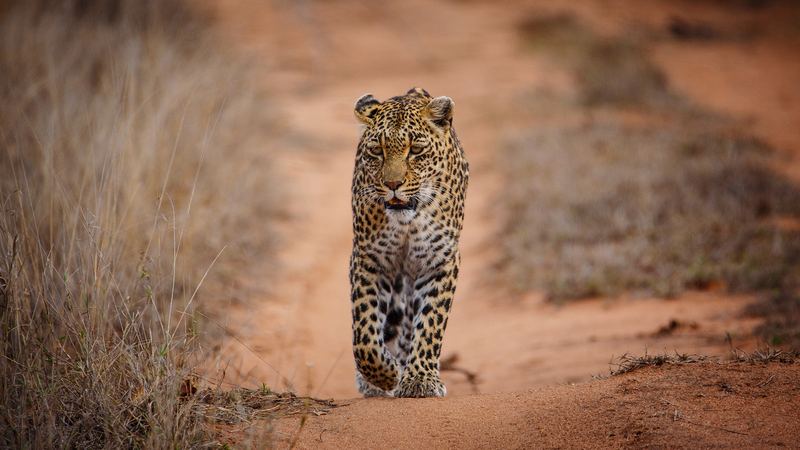
South African safari happens mostly in bushveld: dense woodland, riverine forest and open clearings. Sightings are close, guides and trackers work together from open vehicles and the Sabi Sand is one of the best places in Africa to watch a leopard at a few yards' distance. Lodges can drive off road to follow animals.
Kenya's Mara is the opposite in feel. Rolling short grass, flat-topped acacias and lions on termite mounds give long views and big skies. Big cats are seen almost daily. From roughly July to October the migration arrives, with river crossings likeliest from August into early October.
If one of you dreams of the plains from the documentaries, Kenya is the picture. If you mostly want intimate, close encounters and a beautiful lodge to come back to, South Africa's private reserves deliver it more predictably.
Beyond the Game Drive
This is where South Africa runs away with it. Cape Town packs Table Mountain, the Chapman's Peak drive, the penguins at Boulders Beach and Robben Island into an hour's radius. Stellenbosch and Franschhoek are less than an hour away, with hundreds of wine estates, long farm lunches and some of Africa's best restaurants. The Garden Route offers a slow coastal road trip if you have more time.
Kenya's extras are more about landscape. Laikipia, on the high plateau north of Nairobi, offers rhino tracking, horseback rides and camel treks. Samburu has desert-adapted animals you will not see farther south. Diani Beach provides a long white strand, a reef and dhow trips to the Kisite marine park.
Couples who love wildlife equally will enjoy both. Couples where one partner is lukewarm on safari usually prefer South Africa's variety.
Getting There From the US
South Africa has the easier journey. Delta flies nonstop from Atlanta and United from Newark to Johannesburg (JNB) and Cape Town (CPT), in roughly 15 to 17 hours. Some routes are seasonal. From Johannesburg, short flights reach Skukuza or private airstrips near Sabi Sand lodges.
Kenya Airways has flown nonstop from New York JFK to Nairobi (NBO) in about 14 to 15 hours, but frequency has been cut back. Most couples connect once through Europe, the Gulf, Istanbul or Addis Ababa, for a total of 17 to 22 hours from the East Coast. Safari flights then leave from Wilson Airport (WIL), across town, so allow at least three hours or stay a night.
Cape Town is only six or seven hours ahead of the East Coast, which makes jet lag milder than many expect. Nairobi is similar.
Health and Safety
Kenya is the bigger question right now. The State Department rates it Level 3, Reconsider Travel, mainly over imported Ebola cases in Nairobi, with crime, kidnapping, terrorism and unrest also cited. Lamu and parts of the north coast are Level 4. The Mara and Laikipia are not, but couples should carry medical evacuation insurance, keep deposits refundable and recheck the advisory and the CDC notice before flying.
South Africa is rated Level 2 for crime. Safari lodges and Winelands estates feel very relaxed. In Johannesburg and Cape Town, use Uber or hotel drivers after dark, keep phones out of sight in cars and do not hike remote trails alone.
The Sabi Sand, Kruger area and Kenyan parks are malaria areas. Madikwe in South Africa is malaria-free. If you're pregnant or hoping to be soon, check CDC travel health notices.
Lodges Worth the Splurge
In South Africa, the Sabi Sand is full of famous names. Singita Boulders Lodge has glass-walled suites with plunge pools on the Sand River, while Londolozi runs five intimate camps, with Pioneer Camp suited to honeymooners. Madikwe Safari Lodge offers malaria-free Big Five drives. In the Kalahari, Tswalu's Motse gives every couple a private guide. In Cape Town, Ellerman House in Bantry Bay has an art collection and a wine gallery, while the Belmond Mount Nelson sits in gardens below Table Mountain.
In Kenya, Angama Mara looks over the Mara Triangle from the Oloololo Escarpment with glass-fronted tents. Mara Plains Camp is small and photography-led and Governors' Camp is the classic riverside choice. In Laikipia, Elewana Loisaba Tented Camp has twelve tents on an escarpment with Mount Kenya in view.
Seasons That Line Up
South Africa's safari is best in the dry winter, roughly May to September, while the Cape shines in its summer from November to March. The shoulder months of April, May, September and October balance both halves of the trip.
Kenya's peak is July to October for the migration. January and February are a strong second choice, dry and green after the short rains, with lower rates and many newborn animals. The long rains from late March through May bring some camp closures and the lowest prices.
The overlap is September and early October, when South Africa's bush is dry and the Cape is warming up and the Mara herds are still in residence. A couple with flexible dates could plan around that window and have a great trip in either.
Where Your Money Goes
All figures here are approximate.
In South Africa, top Sabi Sand lodges are the big splurge and charge per person per night on an inclusive basis. The Cape is where the budget relaxes: excellent hotels, restaurants and wines cost less than comparable places in Europe or the US. A long lunch at a top Cape Town restaurant costs a fraction of what it would at home.
In Kenya, comfortable midrange safari lodges often run around $500 to $900 per couple per night. Small conservancy camps with private guiding commonly sit between $1,500 and $3,000 or more per couple per night in peak months. Mara reserve fees can add hundreds of dollars per couple per day in high season. Diani beach hotels cost far less than safari camps.
In both, budget for bush flights, tips for guides and trackers and evacuation insurance.