One Long Beach or a Whole Island
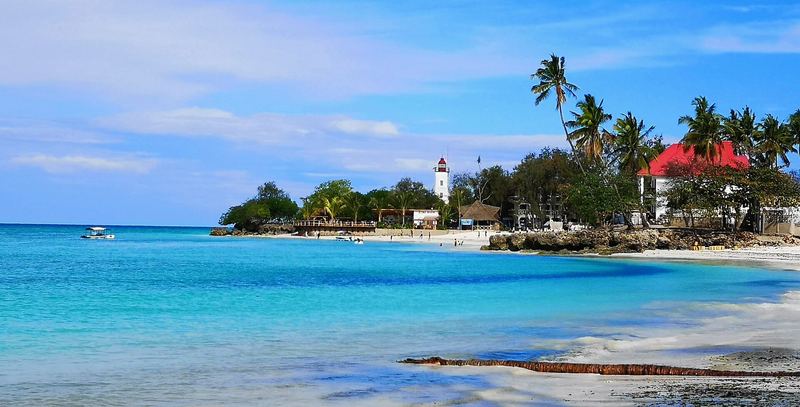
Diani is essentially one superb beach. The sand runs from the mouth of the Kongo River down to Galu, with the reef keeping the lagoon warm and clear on calm days. At low tide, sandbars stretch far enough to wade toward the coral. The beach is long enough that you can always find an empty patch to walk at sunset. The north end is closer to restaurants and Ukunda; Galu and Kinondo in the south feel more remote and peaceful.
Zanzibar is a whole island with very different coasts. The north, around Nungwi and Kendwa, has beaches where you can swim at most tides and sunsets over the water. The east coast has wide lagoons that drain dramatically at low tide, revealing seaweed farms and tidal pools. Stone Town adds a city to the mix.
Diani is about one place done well. Zanzibar is about choosing the right corner of a varied island.
Culture and Things to Do
Zanzibar has the edge on culture. Stone Town's alleys hide carved doors, mosques and markets. The Forodhani night food market fires up its grills after dark. Spice farm tours let you taste cloves and vanilla from the plant. Jozani Forest is home to the rare Zanzibar red colobus. A sunset dhow cruise is close to compulsory.
Diani offers a more relaxed list. Take a full-day dhow trip from Shimoni to Kisite-Mpunguti Marine Park to snorkel coral gardens and often see dolphins, finishing with a seafood lunch on Wasini Island. Book a candlelit dinner at Ali Barbour's, a restaurant inside a natural coral cave. Visit Colobus Conservation, ride horses along the sand or try kitesurfing in the steady trade winds. Mombasa's Old Town and Fort Jesus are within reach for a day.
Zanzibar is busier with things to see. Diani is better for doing very little.
Villas Versus Resorts
Diani's strength is small, characterful places. Kinondo Kwetu, on Galu beach in the south, is an intimate, family-run hotel with stables and a barefoot style, from about $450 a night (approximate). Almanara Luxury Villas, at the quieter north end, offers villas with private pools and staff. Alfajiri Villas sits on a cliff above the sea with a handful of private villas. Larger resorts line the central stretch if you want more facilities at a lower price.
Zanzibar has more variety. North coast resorts suit couples who want easy swimming. The east coast has boutique hotels on long beaches. Stone Town's restored merchant houses are lovely for a night or two. For total seclusion, &Beyond Mnemba Island occupies a small private island off the northeast coast, with beachfront bandas and a protected reef.
Diani suits couples who want privacy over buffets. Zanzibar offers every style from barefoot to polished.
Linking to Your Safari
This is often the deciding factor. Diani's Ukunda Airstrip (UKA) has direct flights from Nairobi's Wilson Airport and, on some routes, straight from the Mara, in roughly an hour and a half. Your hotel is usually ten minutes away. You can also fly into Mombasa (MBA) and drive south in about an hour since the Dongo Kundu bypass opened, or take the Madaraka Express train from Nairobi through Tsavo.
Zanzibar's airport (ZNZ) receives light aircraft directly from many northern Tanzania safari airstrips and from Arusha, so you can go from the Serengeti to the beach in a single day. It also has international connections on Qatar Airways, Turkish Airlines, Ethiopian and Kenya Airways.
Crossing from a Kenya safari to Zanzibar, or from Tanzania to Diani, is possible but usually adds a connection. Following your safari country keeps things simple.
Best Months for the Beach
Diani's best beach weather usually runs from December through March, when the northeast monsoon brings hot sunny days, calm mornings and clear water. Late September through October is another good window. The long rains peak around April through June, when some smaller hotels close. From June to September, the southeast monsoon blows steadily; the sea is rougher, which delights kitesurfers but makes boat trips choppier. Humpback whales often pass between about July and October.
Zanzibar's driest, most popular months are roughly June to October, matching peak safari season. December to February is hot and humid but generally sunny. The main rains fall from about March to May, with a shorter wet spell around November and December.
For a July or August safari, Zanzibar's weather tends to be calmer for swimming. For a January trip, both are excellent.
Costs
Diani is generally the better value. Its boutique hotels and villas often cost less than comparable stays on Zanzibar and much less than the safari camps you are coming from. Independent restaurants along the beach road offer good nights out at modest prices.
Zanzibar's range is wider in both directions. Simple beach hotels can be inexpensive, while the top resorts and private islands command high rates, especially in peak season. Activities such as dhow cruises, spice tours and snorkel trips add a modest amount each.
All prices are approximate and vary by season. In both places, ask what your rate includes, since some properties include airport transfers, meals or excursions. Transfers from the airport to Zanzibar's northern beaches take an hour or more by road, so factor in the time as well as the cost when choosing your hotel.
Comfort and Safety Notes
Both coasts are largely Muslim away from the resorts. Dress modestly in towns and villages, covering shoulders and knees for both of you. During Ramadan, alcohol service in town is quieter, while resorts operate as normal.
Malaria is present on both coasts. Use repellent at dusk and talk to a travel clinic about prevention. If you're pregnant or hoping to be soon, check CDC travel health notices for Kenya or Tanzania.
In Diani, check tide tables, wear water shoes near the reef to avoid sea urchins and avoid walking on dark stretches of beach at night. In Zanzibar, expect beach vendors in Stone Town and Nungwi; a friendly, firm no works. Take a taxi rather than walking Stone Town's back lanes late at night. Recheck the State Department advisory for whichever country you choose before you travel.