Wide Open Plains vs a World in a Bowl
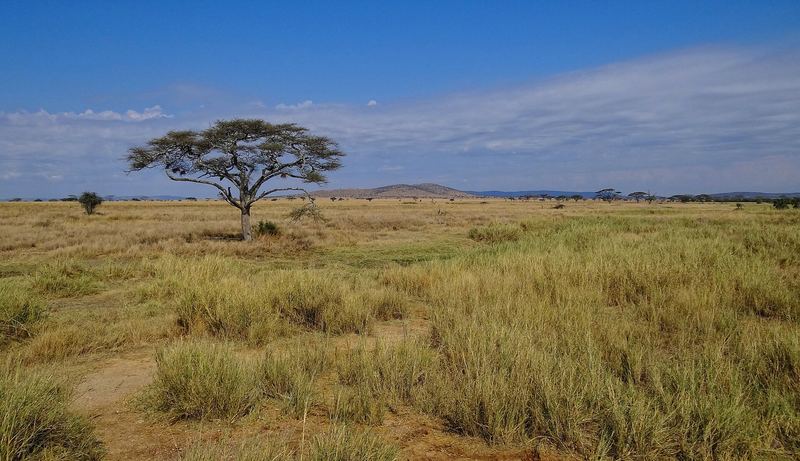
The Serengeti is about space and movement. Every game drive is unscripted. One day you might watch a lioness stalking through the grass at dawn. The next you could be at a sundowner on a kopje as the sky turns orange, or waiting by the Mara River as the herds gather. The scale is hard to grasp until you see it.
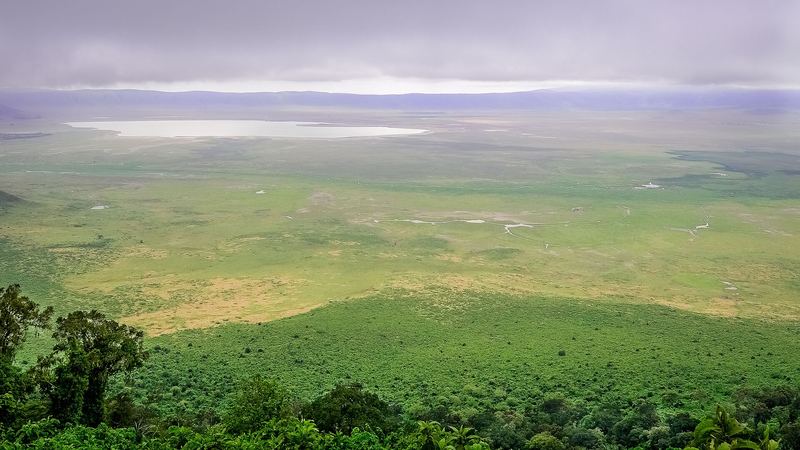
Ngorongoro is about density and drama. From the rim, you take in the whole ecosystem at a glance, with cloud shadows drifting across the floor. Down below, there is grassland, a soda lake pink with flamingos, a fever-tree forest, swamps and springs. Many animals live there permanently, so you can see an astonishing range in a single day.
The experiences complement each other. The Serengeti gives you the sense of wilderness without end. Ngorongoro gives you a near-guaranteed parade of wildlife in one of the world's most striking settings. Together they make the classic northern Tanzania safari.
Wildlife and the Great Migration
In the Serengeti, where you stay should follow the season. Roughly January to March, the herds gather on the southern short-grass plains around Ndutu for calving, with predators active. April and May bring the long rains, lush scenery and some lodge closures. Roughly May to July, the herds move through the Western Corridor, crossing the Grumeti River. July to October brings dramatic Mara River crossings in the north. In November and December, the herds head south again. Timing varies with rainfall, so let a specialist guide you.
Ngorongoro does not depend on the migration, since most of its animals stay put. Expect buffalo, zebra, elephants, hippos, lions and the chance of black rhino, which often keep their distance, so bring binoculars. The wider conservation area does play a role in the migration, as the calving plains near Ndutu sit on its western edge.
For the migration, the Serengeti is essential. For a reliable all-round wildlife day at any time of year, the crater delivers.
Lodges and Camps
In the Serengeti, your first choice is between staying inside the national park or in a private concession bordering it. Lodges inside the park offer central access but share roads with other vehicles. Private reserves offer exclusivity, off-road driving, night drives and walking safaris.
Four Seasons Safari Lodge Serengeti sits in the central park around a watering hole that elephants visit constantly. Terrace suites have private plunge pools. There is a spa plus a firepit boma dinner. Singita Sasakwa Lodge crowns a hilltop in the roughly 350,000-acre Singita Grumeti reserve, with nine cottages and a villa, each with an infinity pool, on an all-inclusive basis. Mobile or tented camps that move with the herds are another favorite.
At Ngorongoro, rim lodges give you the views and the earliest descents. The most famous is &Beyond Ngorongoro Crater Lodge, known for theatrical design and butler service. It has undergone a major rebuild, so confirm its current layout before booking. Lodges and coffee farms in the Karatu highlands, 30 to 45 minutes from the gate, are better value.
Romantic Moments
The Serengeti's signature moment is a sunrise hot-air balloon flight over the plains, landing for a Champagne breakfast in the bush. Most lodges will also set up a private bush breakfast under an acacia or sundowners on a kopje. In private reserves, a walking safari teaches you to read tracks. A night drive reveals nocturnal animals. Evenings bring candlelit dinners, boma fires and skies thick with stars.
Ngorongoro's romance is quieter and cooler. Wake before dawn and be among the first vehicles down the steep road onto the crater floor. Share a picnic lunch beside a hippo pool, keeping an eye on the bold black kites. Back on the rim, settle by a crackling fire with a glass of wine as the crater falls into darkness below. Guided rim walks reveal forest birds and high lookouts.
Both deliver lifelong stories. The Serengeti gives you more of them, simply because you spend more days there.
Seasons and Weather
Both areas offer wildlife year-round, with the dry season from roughly June to October the most popular for easy viewing. It is also the busiest time, especially in the crater.
The Serengeti's best months depend on what you want. January to March is calving season in the south. July to October is river-crossing season in the north. The long rains of April and May bring fewer visitors and green landscapes, though some lodges close.
Ngorongoro works in any month. The green season brings lush scenery, newborn animals and fewer vehicles. The long rains can make some roads muddy. Whatever the season, the rim is cool. Mornings and evenings can be chilly year-round, so pack warm layers for both of you.
In the Serengeti, pack neutral colors, layers for cool mornings and soft-sided luggage. Avoid dark blue and black, which attract tsetse flies in the wooded western areas. For both, see a travel doctor about vaccinations and malaria prevention well ahead. If you're pregnant or hoping to be soon, check CDC travel health notices.
Getting There and Between Them
Most US travelers connect through Europe or the Middle East to Kilimanjaro International Airport (JRO), usually spending a night near Arusha.
For Ngorongoro, it is a road transfer of a few hours from Arusha, passing Lake Manyara and the farmland around Karatu. A light-aircraft flight to the Lake Manyara airstrip shortens the trip. The descent roads into the crater are steep and bumpy. Authorities limit the number of vehicles inside at once and charge fees per vehicle, which your operator arranges.
For the Serengeti, scheduled and charter light aircraft fly to airstrips such as Seronera in the central park and strips near the private reserves. Flying saves many hours of bumpy roads. Light aircraft enforce strict luggage limits, typically requiring soft-sided bags.
Many couples drive between the two. The road from the crater highlands into the Serengeti crosses the conservation area's highlands and plains. It takes several hours but doubles as a game drive. Flying out of the Serengeti afterward avoids retracing it.
How Many Nights in Each
Give the Serengeti at least four nights, ideally five or six if it is the heart of your safari. That leaves time for a balloon flight, a range of game drives and some rest at your lodge. Many couples split their Serengeti nights between two areas, such as the central park and a private reserve, for variety. Match at least one lodge to the migration calendar.
Ngorongoro needs two nights. That gives you one full day on the crater floor, plus an evening on the rim to enjoy the view and the cool air. Staying longer adds little unless you want to explore Olduvai Gorge, where Mary and Louis Leakey's excavations changed our understanding of human origins, or visit a Maasai community in the highlands.
A balanced northern circuit honeymoon might look like this: one night in Arusha, two at Ngorongoro, four or five in the Serengeti and then a beach finale. Add Tarangire or Lake Manyara if you have extra days.
Bush, Crater and Beach
The classic Tanzania honeymoon ends on Zanzibar. After early mornings, dusty drives and long days of game viewing, a few nights on a white-sand beach with turquoise water is the ideal reset. Flights from Serengeti airstrips or Arusha to Zanzibar are straightforward.
A two-week plan works well. Start with a night near Arusha. Drive via Lake Manyara or Tarangire to the Ngorongoro rim for two nights. Continue into the Serengeti for five nights, ideally split between two lodges. Fly to Zanzibar for five or six nights of beach time.
On a shorter trip, protect the essentials. Two nights at the crater and three or four in the Serengeti still make a superb safari. Cutting Ngorongoro entirely is possible, but it is the most efficient wildlife day in East Africa. It sits on the road to the Serengeti anyway.
Whichever balance you choose, book early for the dry season, when the best lodges and camps fill well in advance.