Busy Sister, Quiet Sister
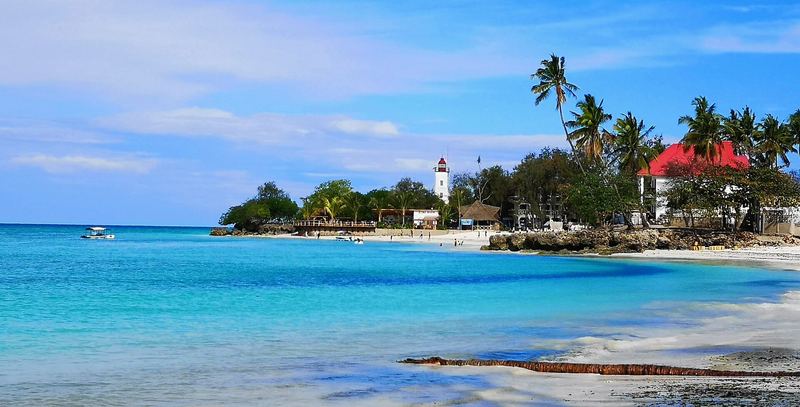
Zanzibar is lively and varied. Stone Town hums with mosques, markets and rooftop restaurants. The north coast around Nungwi and Kendwa has beaches where you can swim at most tides and watch sunsets over the water. The east coast has long palm-lined sand and a wide lagoon that drains dramatically at low tide. Dhows, spice farms and boat trips fill the days between lazy afternoons.
Pemba feels green and lived-in. The island is hilly and crowded with clove trees, which scent the roadsides in drying season. Villages are small, tourism is a minor part of life and you can walk a beach for an hour without seeing anyone. It is, in many ways, what Zanzibar was before it became popular.
If you want a place that offers something different every day, Zanzibar fits. If you want quiet and nature, Pemba is the more distinctive choice.
Diving and Snorkeling
Pemba is one of East Africa's top dive destinations. Walls drop into the Pemba Channel, a deep stretch of water about 30 miles wide. The coral is in good shape. Turtles, rays, reef sharks and big pelagic fish are common. Misali Island, a small protected island off the west coast, has some of the best snorkeling, with a reef right off its beach. Drop-offs suit experienced divers, while beginners can learn in the shallow lagoons.
Zanzibar's best snorkeling and diving is around Mnemba, a protected reef off the northeast coast where turtles are common and dolphins are often seen. Elsewhere, reefs fringe much of the island. It is good, easy diving, but sites are busier.
If diving is the heart of your honeymoon, Pemba is the better pick. If you plan to snorkel once or twice between other activities, Zanzibar is perfectly fine.
Where You Can Stay
Zanzibar's range is wide. North coast resorts give you reliable swimming and sunset views, the east coast has boutique hotels and Stone Town offers restored merchant houses for a night of culture. &Beyond Mnemba Island, on its own small island off the northeast coast, offers beachfront bandas with a protected reef steps away and is reachable only by lodge guests.
Pemba has only a few lodges, which is part of the appeal. Fundu Lagoon, reached by boat in the southwest, has long been the island's best-known boutique hotel, with thatched rooms on the hillside and a jetty bar for sunset. The Manta Resort, in the far north near Vumawimbi Beach, is known for its underwater room, a floating structure where you sleep below the waterline. A few smaller eco-lodges cover the middle range.
Expect roughly $300 to $900 per night for two at Pemba's better lodges, often with full board (approximate).
Life Beyond the Beach
Zanzibar has more to do on land. Take a guided walk through Stone Town past the Old Fort and the carved doors, then return to Forodhani Gardens after dark for the night food market. Visit a spice farm to taste cloves, cinnamon and vanilla. Look for the rare Zanzibar red colobus monkey at Jozani Forest. Book a sunset dhow cruise.
Pemba's land experiences are quieter. Walk through a clove plantation and village with a local guide to learn how cloves are grown and dried. Visit Ngezi Forest in the north for indigenous forest walks and look for Pemba flying foxes at dusk. Explore ancient Swahili ruins at Ras Mkumbuu. Take a sunset dhow along the mangrove channels.
Couples who love history and food markets will prefer Zanzibar. Those who like forests, wildlife and village life will enjoy Pemba's slower texture.
Getting There and Around
Neither has nonstop flights from the US. Most couples connect via Amsterdam, Doha, Dubai, Istanbul or Addis Ababa. Zanzibar's airport (ZNZ) receives international carriers and light aircraft from many northern safari airstrips, so bush to beach in one day is simple. Transfers to the northern beaches take an hour or more by road.
Pemba Karume Airport (PMA), near Chake Chake, is about 30 minutes by light aircraft from Zanzibar, with flights also from Dar es Salaam and Arusha. Ferries run between the islands, but schedules vary and flying is easier.
On Pemba, roads are narrow and winding. Lodge transfers can take an hour or more, sometimes with a boat leg. Driving yourselves is not recommended. On Zanzibar, hotel transfers are the easiest way to get around, though taxis and day tours are easy to arrange.
When to Go
The islands share a climate. June to October is dry and cooler, with good diving visibility. It also lines up with the safari season in the Serengeti, Ruaha and Nyerere. December to February is hot and mostly dry, with calm seas, often the best time for diving and lazy beach days.
The long rains fall from about March to May. Many Pemba lodges close in April and May as roads turn muddy and boat trips are cancelled. Zanzibar has more resorts that stay open year-round, though some reduce services. November brings short rains in brief bursts.
Pemba also has a history of political tension around elections, so keep an eye on the news if your dates fall near one. Read the State Department's Tanzania advisory before booking either island and again before you travel.
Combining Both Islands
Because they are only a short flight apart, combining them is easy and rewarding. Spend three or four nights on Pemba diving the walls and enjoying the quiet, then fly to Zanzibar for a night in Stone Town and a few days at a beach resort. Or start on Zanzibar after your safari and finish on Pemba for the most restful part of the trip.
Practical points apply to both. Dress modestly away from the lodges, with shoulders and knees covered for both of you; Pemba is especially conservative. Alcohol is available mainly at hotels and lodges. Malaria is present, so talk to a travel clinic. If you're pregnant or hoping to be soon, check CDC travel health notices for Tanzania.
Bring cash in small US dollar bills and Tanzanian shillings for Pemba, where ATMs are few, plus reef-safe sunscreen and a rash guard.