Why Svalbard for a Honeymoon
Svalbard gives you true high Arctic wilderness with surprising comfort. Longyearbyen has hotels with fireplaces, a fine dining restaurant with one of the largest wine cellars in Scandinavia and cozy pubs where trappers and scientists share tables.
The landscape feels elemental. Bare mountains rise from frozen fjords, glaciers break off into the sea and the light changes from endless day to weeks of blue twilight. Wildlife includes Svalbard reindeer, Arctic foxes, walruses and, of course, polar bears.
It also feels different from other Arctic trips. There are no crowds of bus tours, no billboards and few roads. Activities are guided in small groups by people who live here year round. Experiences like riding a dog sled across a valley or sleeping in a remote lodge stay with couples long after they get home.
Best Time to Visit
Svalbard has three distinct seasons for visitors.
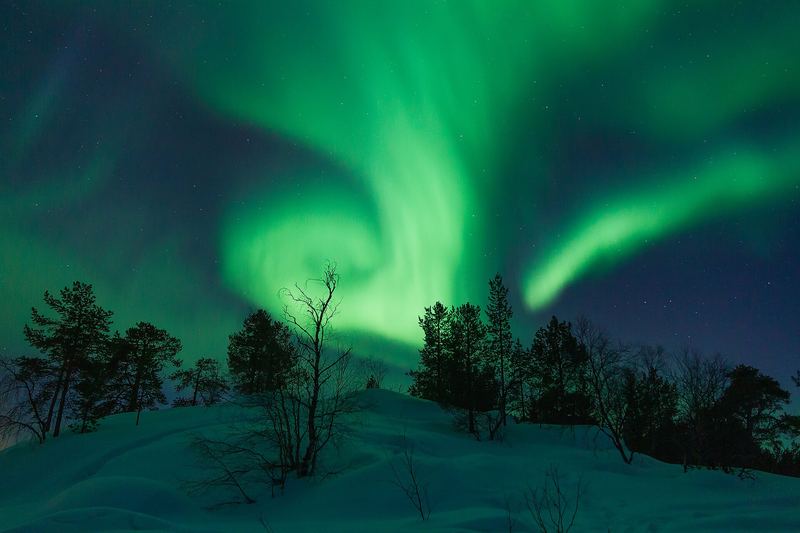
Polar night runs from late October to mid February. The sun stays below the horizon. For weeks it is dark even at noon. Northern lights can appear during the day. This suits couples who love cozy evenings and dramatic skies, but the cold and darkness are intense.
Late winter and spring, from March to May, is the favorite season for many. The sun returns, snow is deep and dog sledding, snowmobiling and ice cave trips are at their best. Temperatures can still drop well below 0°F.
Summer, from June to early September, brings midnight sun, which in Longyearbyen lasts from around late April to late August. Boat trips run to glaciers and abandoned settlements. Hiking with a guide is possible. Highs sit only around 40 to 45°F.
Where to Go
Longyearbyen is where nearly everyone stays. It is the only real town, with hotels, restaurants, museums and the airport. It serves as the base for all guided trips.
From there, popular excursions include summer boat trips to Pyramiden, a Soviet mining town left almost as it was when the miners departed in 1998. The same boats often visit glaciers such as Nordenskiöldbreen. Snowmobile trips in spring reach the frozen fjords and glaciers on the east coast when conditions allow.
For something remote, look at lodges at old trapping or radio stations reached by boat or snowmobile. Expedition cruises around Spitsbergen offer the best chances to see walrus and polar bears.
Sample 7-Day Itinerary
- Day 1: Fly from the US to Oslo and spend the night near the airport or in the city.
- Day 2: Fly north to Longyearbyen. Settle in, walk through town and visit the Svalbard Museum.
- Day 3: Spend a day on a dog sled in winter or on a glacier boat trip in summer.
- Day 4: Take a snowmobile trip in spring or a boat to Pyramiden in summer. Dine at a special restaurant in the evening.
- Day 5: Overnight at a remote lodge or cabin outside town, if available.
- Day 6: Return to Longyearbyen. Try an ice cave tour in winter or kayaking in summer.
- Day 7: Fly back south to Oslo or Tromsø, ideally with one night there before the long flight home.
Budget and Costs
Svalbard is expensive, though tax-free status helps with some goods. These figures are approximate.
Hotel rooms in Longyearbyen often cost $200 to $450 a night in peak season, with lower rates in the dark season and early autumn. Remote lodges and special packages cost more.
Guided tours are where most of your budget goes. Half-day activities commonly run about $100 to $250 per person, while full-day snowmobile trips, overnight cabin stays or glacier expeditions can cost several hundred dollars each.
Dinner for two at a good restaurant often costs $150 or more with wine. Alcohol in shops is cheaper than in mainland Norway but rationed. A week in Svalbard for two, including flights from Oslo, guided activities and good hotels, can easily total $8,000 to $14,000.
Getting There and Around
The only way to arrive besides an expedition ship is by plane. SAS flies daily from Oslo and Tromsø. Norwegian also serves the route from Oslo several times a week. From Oslo the flight takes about three hours.
From the US, SAS flies nonstop from Newark to Oslo. Otherwise connect through a European hub, or fly into Tromsø via Oslo and fly north from there.
In Longyearbyen, a shuttle bus meets flights and drops guests at hotels. The town is walkable, though windy. Taxis are available.
Outside town, there are no roads connecting settlements. Travel happens by boat, snowmobile or dog sled, nearly always with a licensed guide. Leaving the settlement on your own requires polar bear protection and knowledge of the rules, so most couples rely on tour companies.
Culture and Etiquette
Svalbard is part of Norway under the Svalbard Treaty of 1920, which gives the islands an unusual status. The result is a small, international community of scientists, students, guides and service workers.
Take your shoes off when entering hotels and some shops. The custom dates from mining days, when coal dust covered everything.
Respect polar bear rules strictly. The bears are protected. Harming one leads to serious investigation. Stay within marked areas unless with a guide.
Norway has tightened environmental rules here since 2025, with greater distances from wildlife and limits on landings. Follow your guide's instructions closely.
Alcohol is sold with quotas, so show your ticket when buying. Drinking and driving laws are strict and enforced.
Quick tips
- Never walk past the polar bear warning signs at the edge of town without an armed guide.
- Take your shoes off when entering hotels and many shops, an old mining-era custom.
- Alcohol is cheap but rationed; bring your boarding pass to the town's liquor shop.