Why Norway for a Honeymoon
The short answer is scenery at a scale that makes conversation stop for a minute. The longer answer is that Norway makes that scenery easy to reach. You can usually have a viewpoint mostly to yourselves if you avoid the midday cruise rush in Geiranger and Flåm.
Couples tend to fall for the range of a single trip. In ten days you can move from a design-minded capital to a rainy wooden harbor city, then to a fjord hotel where breakfast faces a waterfall, then to a red fisherman's cabin on stilts above Arctic water. The outdoor culture is the other draw. Norwegians call it friluftsliv, roughly open-air living. The right to roam lets you hike, swim and picnic on most uncultivated land.
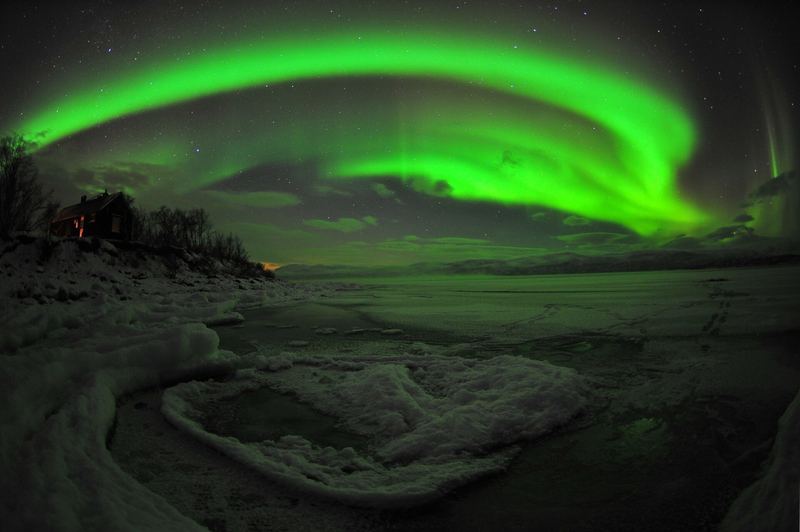
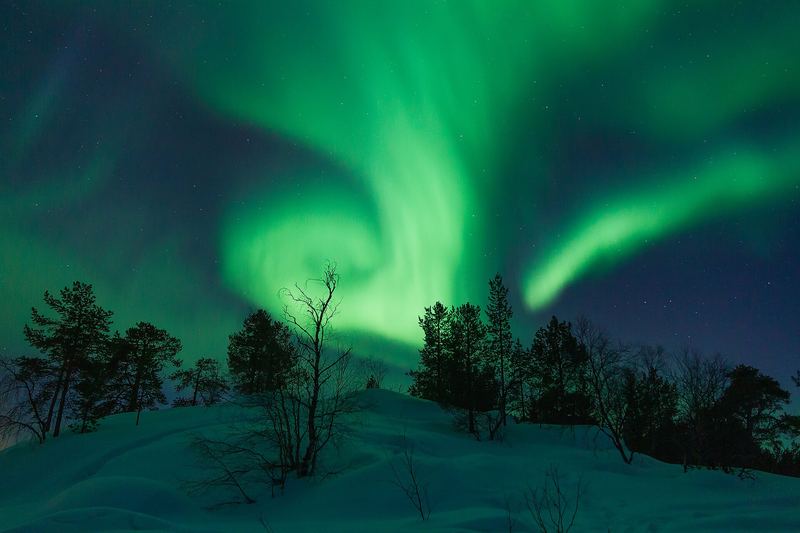
Then there is the light. In June the sun barely sets in the south and never sets in the north. From September to March the aurora can appear on any clear night above the Arctic Circle. It is also one of the safest countries on the planet, which helps when you are driving a narrow road at 11pm in broad daylight.
Best Time to Visit
Norway has two honeymoon seasons with very different moods.
Summer, from June through August, is fjord season. Mountain roads such as Trollstigen and the road up to Dalsnibba are open, ferries run full schedules, Hardanger farms sell cherries by the roadside and you can hike until 10pm without a headlamp. July is the busiest and priciest month. Late May and the first half of September are the sweet spots, with fewer people and hotels still open. Snow can linger on high passes into June.
Winter, from late November through March, belongs to the north. Tromsø and Lofoten offer the best aurora odds plus dog sledding, snowshoeing and snow-covered peaks dropping into the sea. Late February and March pair good aurora chances with returning daylight, which makes everything else easier. In the fjords, many seasonal hotels close from about October to April.
Whatever the month, pack for rain on the west coast. Bergen is one of the wettest cities in Europe and locals joke that children there are born wearing rain boots.
Where to Go
Most couples combine one fjord region with one city or one Arctic stop. Trying to see all of Norway in ten days mostly means watching it through a windshield.
- Bergen: the gateway to the fjords, with the Hanseatic wharf at Bryggen, a funicular up Mount Fløyen and some of the country's best restaurants.
- Flåm: a tiny village at the end of the Aurlandsfjord, known for the Flåm Railway and boat trips through the narrow Nærøyfjord.
- Hardangerfjord: orchards, cider farms and old wooden hotels, with Trolltunga for serious hikers and apple blossom in May.
- Geirangerfjord: the most dramatic of the fjords, with the Seven Sisters waterfall and abandoned cliff farms.
- Lofoten Islands: jagged peaks, pale sand beaches and fishing villages, good in both summer and winter.
- Tromsø: the most practical base for the northern lights, with frequent flights from Oslo and easy access to the Lyngen Alps.
Oslo deserves a night or two for the opera house roof, the Munch museum and the harbor saunas, though few couples make it their main base.
Sample 10-Day Itinerary
This summer route suits June to early September and uses one domestic flight, one rental car and a train.
- Days 1–2: Oslo. Walk across the sloping roof of the opera house, book a floating sauna on the harbor and graze your way through the Mathallen food hall.
- Day 3: Fly to Ålesund, pick up a car and drive to Geiranger, ideally descending into the village on the Eagle Road switchbacks.
- Day 4: Cruise past the Seven Sisters, hike up to Skageflå farm and drive to the Dalsnibba viewpoint for evening light.
- Day 5: Drive south to Flåm, crossing the Sognefjord by ferry. This takes most of the day, so stop often.
- Day 6: Ride the Flåm Railway up to Myrdal and back, then kayak or take an electric boat through the Nærøyfjord.
- Days 7–8: Continue via Voss to Hardanger for cider tastings, the path behind Steinsdalsfossen and a long dinner over the water.
- Days 9–10: Bergen. Bryggen, Fløyen and a proper tasting menu, then fly home via Oslo or a European hub.
For a winter trip, swap the fjords for four nights in Tromsø and three in Lofoten, with a night in Oslo at each end.
Budget and Costs
Norway is one of the most expensive countries in Europe, though the krone has been fairly weak against the dollar in recent years. Every figure below is approximate and moves with season and exchange rates.
- Hotels: good city hotels in Oslo and Bergen often run about $180–$350 a night for a double. Historic fjord hotels and design lodges in peak summer commonly cost $300–$600 or more, usually with a big breakfast included.
- Food: a casual lunch for two easily reaches $50–$70. Dinner for two with wine at a nice restaurant tends to land around $180–$300, with tasting menus well above that.
- Drinks: expect roughly $12–$16 for a beer in a bar. Wine and spirits are sold only in state Vinmonopolet shops.
- Activities: fjord cruises, the Flåm Railway and guided aurora trips generally cost about $60–$250 per person.
- Driving: tolls and ferries add a noticeable amount to a fjord loop on top of the rental rate.
A comfortable ten-day honeymoon for two, flights excluded, typically comes to somewhere around $6,000–$10,000.
Getting There and Around
SAS flies nonstop to Oslo from Newark, with seasonal service from JFK in some years. The eastbound flight takes about seven and a half hours. Most other routes connect once through Reykjavik, Copenhagen, Amsterdam, London or Frankfurt. Connecting that way can also put you straight into Bergen or Tromsø without a domestic hop.
Inside Norway, flying is the only sensible way to cover long distances. Oslo to Tromsø is about two hours by air and well over a day by road. SAS, Norwegian and Widerøe run the domestic network, with Widerøe flying the small propeller planes into Lofoten.
For the fjords, combine trains with a rental car. The Bergen Railway between Oslo and Bergen is a highlight in itself. Roads are well kept but narrow, slow and full of tunnels, so plan on averaging 30 to 40 miles per hour. Car ferries are part of the road network and run like buses: you drive on and the fare is usually charged to your plate. Rental cars normally carry an AutoPASS tag, with tolls billed to your card later.
Culture and Etiquette
Norwegians are friendly but reserved. Small talk with strangers is not a national sport, so a silent tram ride or a brief nod on a hiking trail is normal rather than cold. Ask about a hike or a good restaurant and most people open up quickly.
A few customs help. Take your shoes off if you are invited into a home. Be on time. Tipping is not expected because service is built into prices, though rounding up or adding 5 to 10 percent for good service is appreciated. Payment is almost entirely by card, even for a coffee, so carrying cash is optional.
The outdoors has its own code. The right to roam comes with duties: camp at least 150 meters from houses and cabins, leave no trace and close farm gates behind you. On popular hikes like Trolltunga and Reinebringen, check the forecast, start early and turn back if the weather changes. Rescues of underprepared visitors happen often enough to make the local news.
If you are in town on May 17, Constitution Day, expect parades, traditional costumes and ice cream everywhere.
Quick tips
- Wine and spirits are sold only at state Vinmonopolet stores, which close early on Saturdays and all day Sunday.
- Ferries and road tolls are billed by license plate; rental companies charge the AutoPASS fees after your trip.
- Book the Flåm Railway and any fjord hotel for July months ahead, since both sell out.