Why Fiji for Your Honeymoon
Fiji gives you the South Pacific of your imagination without the extremes of cost or distance you might expect. Nonstop flights from Los Angeles and San Francisco take about 10 to 11 hours, usually overnight. Many island resorts can be reached the same morning you land.
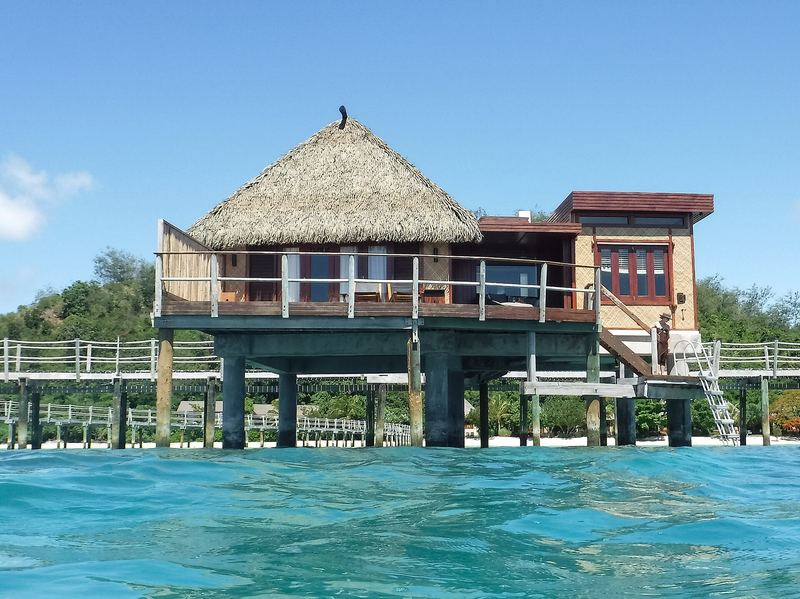
The range of experiences is the other great strength. You can choose kid-free resorts with overwater bures, private islands with a handful of villas, or wild northern islands with serious diving. Coral reefs, waterfalls, village visits and kava ceremonies add depth that pure beach destinations sometimes lack. And Fijian resorts excel at celebrating newlyweds, with flowers, songs and thoughtful surprises that feel heartfelt rather than scripted. On your last morning, staff often gather on the beach to sing "Isa Lei," the Fijian farewell song, as your boat pulls away. Few couples get through it dry-eyed.
Best Time to Visit
Fiji is warm year-round, but it has two distinct seasons.
- May to October (dry season): Lower humidity, cooler nights and less rain. This is peak season, especially June through September when Australian and New Zealand families travel. Book popular resorts six to twelve months ahead.
- November to April (wet season): Hotter and more humid, with heavier rain, often in short bursts. This is cyclone season. Fiji sees roughly one cyclone a year on average. Rates and crowds are lower.
April, May, October and early November are excellent compromises. The western islands, including the Mamanucas and Yasawas, are generally drier and sunnier than the east and north. If you travel during the wet season, buy travel insurance that covers weather disruptions.
Top Honeymoon Destinations
Fiji's honeymoon map has three highlights, each with a very different personality.
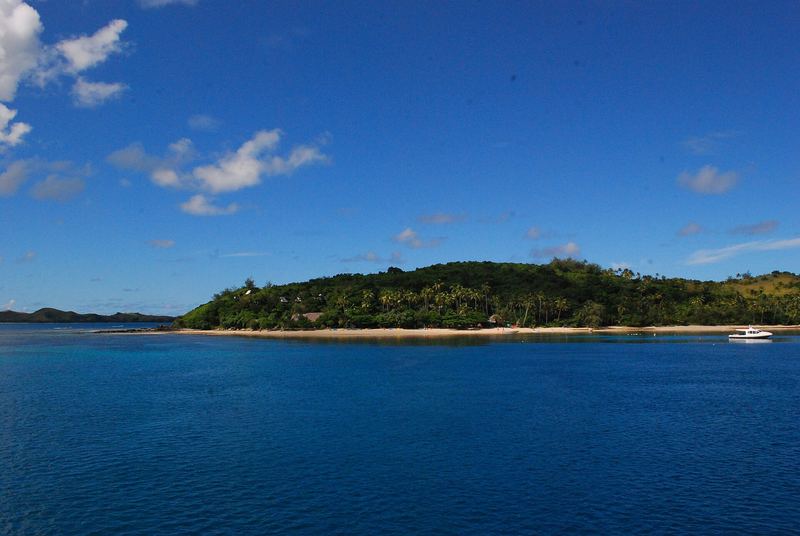
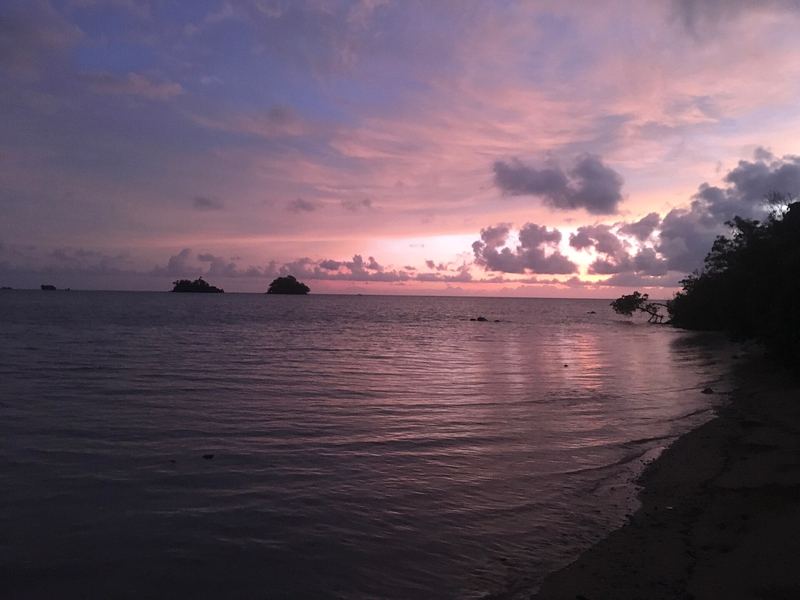
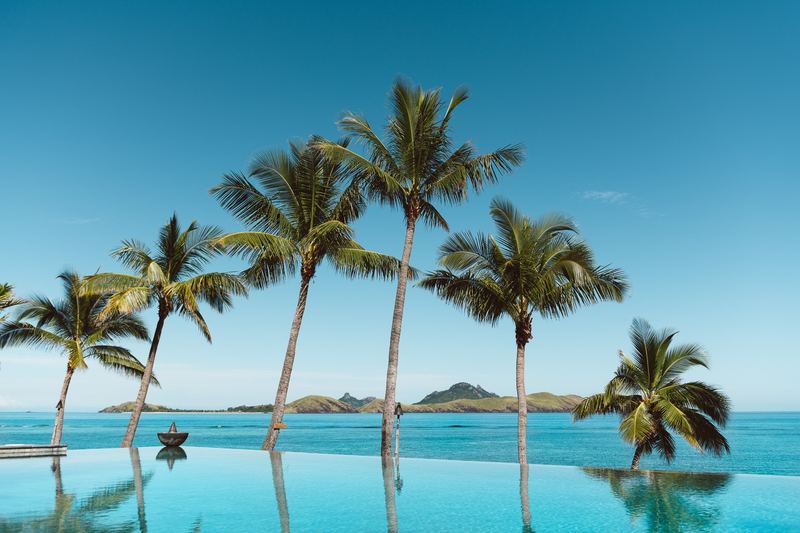
The Mamanuca Islands lie just west of Nadi and are the easiest to reach, by boat, seaplane or helicopter. They're sunny, calm and ideal for snorkeling. Our top picks: Likuliku Lagoon Resort (Fiji's first kid-free resort with overwater bures) and Tokoriki Island Resort, with its west-facing pool bures and sunsets.
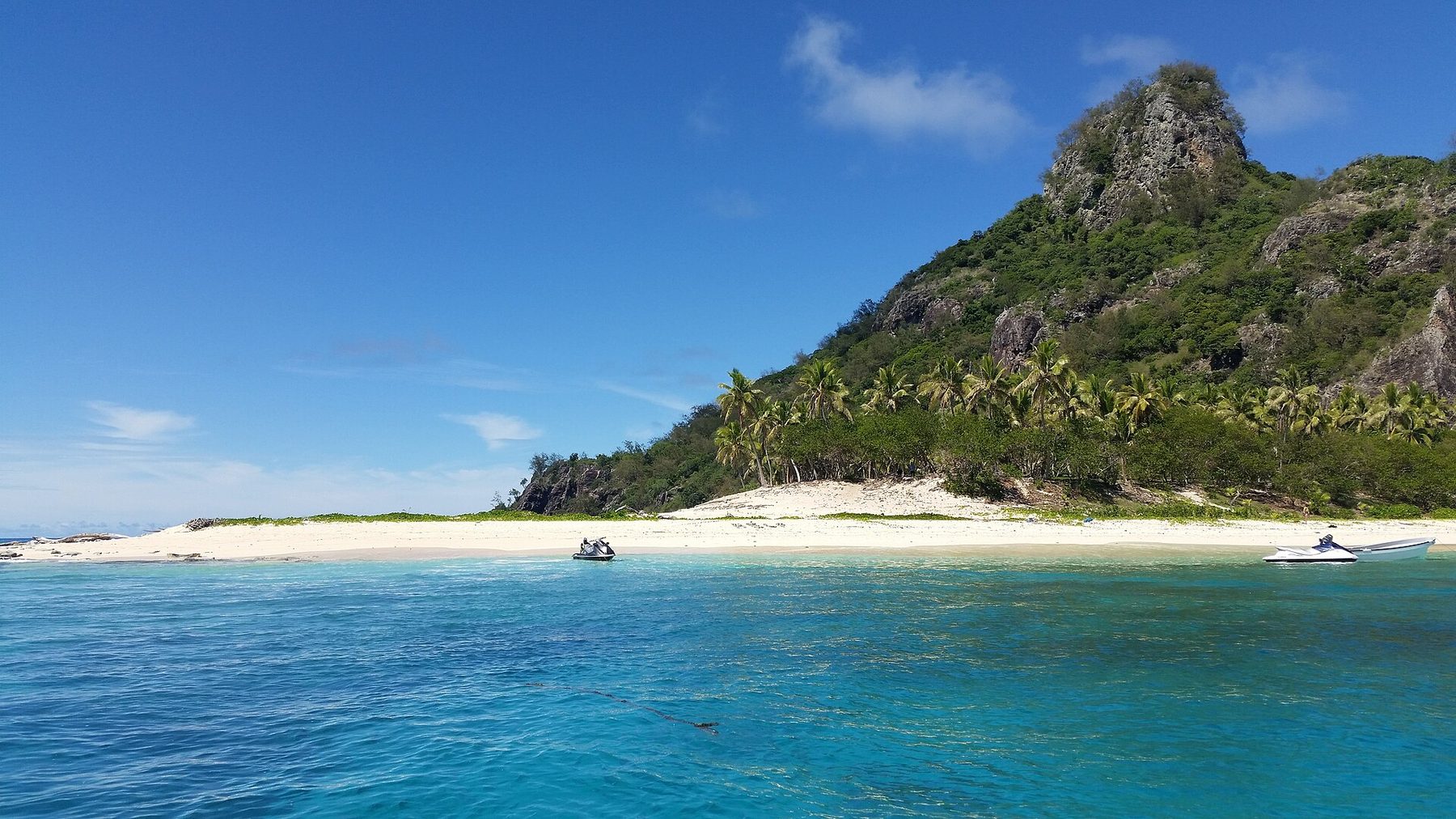
The Yasawa Islands stretch north in a dramatic chain of volcanic peaks and empty beaches. The pace is slow and village life is close at hand. Turtle Island, on the lagoon where The Blue Lagoon was filmed, hosts just 14 couples at a time.
Northern Fiji, around Taveuni, is lush and wild, famous for waterfalls, birdlife and soft-coral diving on the Rainbow Reef. Laucala Island, now COMO Laucala Island, is one of the world's most exclusive private-island resorts.
How Long to Stay & Sample Itinerary
Because of the long flight and the International Date Line, plan on at least 7 nights (ideally 10 to 12) so you can enjoy two contrasting regions.
Sample 11-night honeymoon:
- Day 1: Arrive in Nadi on the overnight flight from California; transfer by seaplane to the Mamanucas.
- Days 1 to 5: Likuliku or Tokoriki for snorkeling, sandbar picnics, spa time and sunsets.
- Days 6 to 11: Fly north to Turtle Island in the Yasawas for private beaches and horseback rides, or to Laucala for golf, diving and total seclusion.
- Day 12: Return to Nadi for your evening flight home.
Remember that flying west across the date line, you'll lose a day. You'll gain it back on the way home.
Budget & Costs
Fiji spans a wide range of prices; all figures here are approximate and vary by season.
- Upscale boutique resorts: Roughly $700 to $1,500 per night for two.
- Top-tier kid-free and all-inclusive resorts: Often $1,500 to several thousand dollars per night.
- Ultra-exclusive private islands like Laucala: Typically several thousand dollars per night and up.
Also budget for island transfers. Boats are the most affordable; seaplanes and helicopters can cost several hundred dollars per person each way. Many resorts sell meal plans if meals aren't included. Since dining is mostly on-site, it's worth comparing inclusions carefully. Spa treatments, diving and private excursions are typically extra. Overall, Fiji tends to cost less than French Polynesia or the Maldives at a comparable level of luxury.
Practical Tips for US Travelers
- Flights: Fiji Airways flies nonstop from Los Angeles and San Francisco to Nadi (NAN). Most flights from the US arrive early in the morning, so confirm your island transfer schedule.
- Time: Fiji is on UTC+12, 19 or 20 hours ahead of the US West Coast depending on the time of year.
- Money: The Fijian dollar (FJD) is the local currency. Cards are widely accepted at resorts; carry some cash for villages and markets.
- Power: Fiji uses Australian-style plugs at 240 volts, so pack an adapter.
- Language: English is an official language and widely spoken.
- Tipping: Not expected, but many resorts have a staff fund where you can leave a gratuity for everyone.
- Health: Dengue and other mosquito-borne illnesses occur in Fiji, so pack repellent. If you're pregnant or hoping to be soon, check CDC travel health notices for Fiji before you go.
Culture & Etiquette
Fijian culture is built on community, faith and respect. Indigenous Fijians (iTaukei) make up just over half the population. Indo-Fijians, whose ancestors arrived in the colonial era, make up much of the rest, which is why Fijian lovo feasts and Indian curries appear side by side.
If you visit a village, dress modestly with shoulders and knees covered; a sulu, or sarong, is perfect. Remove hats and sunglasses, avoid touching anyone's head and bring a gift of yaqona (kava root) for the chief in a ceremony called sevusevu. During kava ceremonies, clap once before receiving the cup, drink it in one go and clap afterward. Sundays are quiet, family-focused days, especially in villages. Above all, learn to say "Bula" (hello) and "Vinaka" (thank you); they'll be met with huge smiles.
Resorts are relaxed about beachwear and affection, but villages and towns are conservative and churchgoing, so save the kissing for the beach bure. In Nadi and Suva, take a taxi rather than walking after dark.
Quick tips
- Island resorts are reached by boat, seaplane or helicopter from Nadi, so coordinate arrival times with your flight.
- May to October is drier and less humid; it's also peak season, so book early.
- A kava ceremony is a lovely cultural experience; dress modestly with shoulders and knees covered.