Sun and Sand or Peaks and Fiords
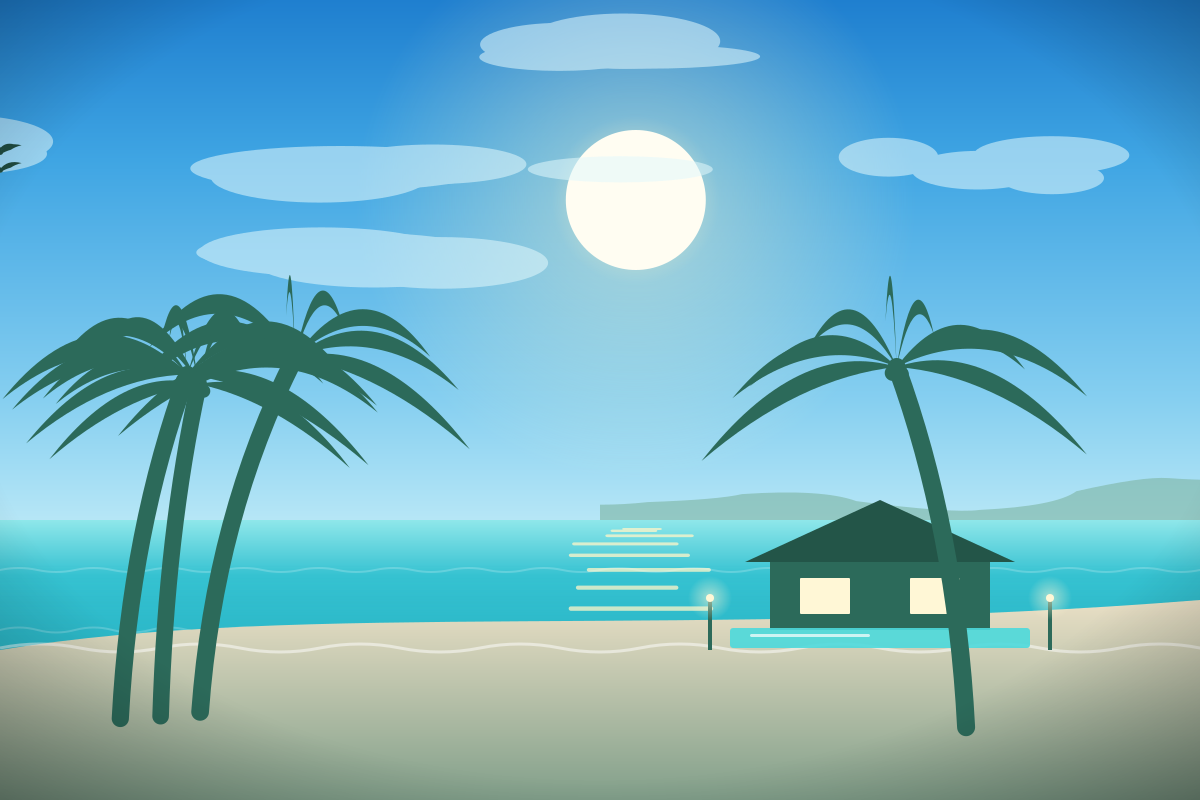
Australia gives you range on a continental scale. In ten days you can wake to cockatoos at a rainforest lodge near Port Douglas, snorkel over giant clams on the outer reef, walk the white silica sand of Whitehaven Beach in the Whitsundays and fly to Uluru for dinner under a sky dark enough for the Milky Way to cast a faint shadow. Sydney's harbor, beaches and dining make an easy start.
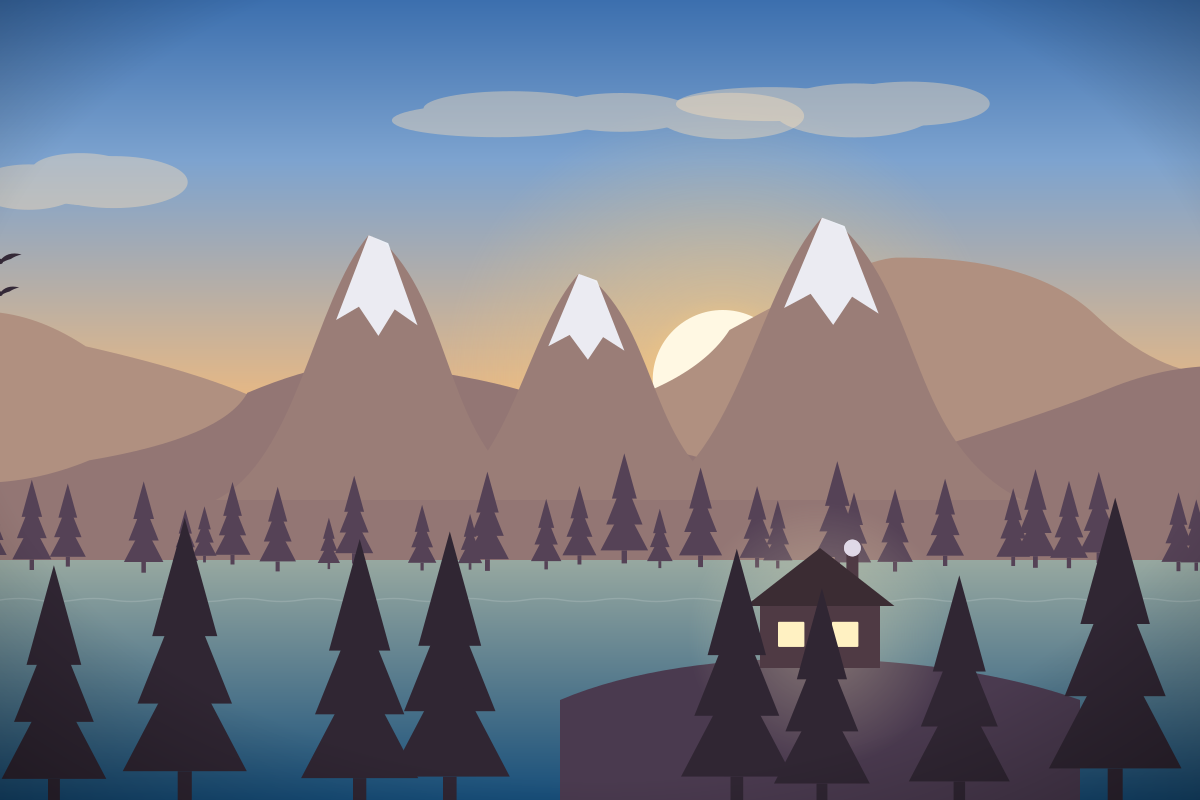
New Zealand's drama is alpine and coastal. You might kayak past fur seals in Milford Sound, drink Pinot Noir in Central Otago, soak in a hot pool under the stars at Lake Tekapo and wake to Aoraki/Mount Cook. The North Island adds softer scenery: island vineyards on Waiheke and sailing in the Bay of Islands.
If warm-water swimming is essential, Australia wins easily. If the scenery you dream about involves snow on peaks and mist over a fiord, New Zealand is the one.
Lodges, Resorts and Island Stays
New Zealand does luxury lodges better than almost anyone. Small properties with a dozen or so suites sit on lake edges, sheep stations and clifftops, often with dinner included. In Queenstown, Rosewood Matakauri sits on Lake Wakatipu, Azur Lodge has private villas above the lake and Eichardt's Private Hotel is the lakefront classic in town. Rosewood Kauri Cliffs crowns the Bay of Islands, Whare Kea Lodge looks over Lake Wanaka and Fiordland Lodge sits above Lake Te Anau.
Australia's strengths are island resorts and wilderness lodges. In the Whitsundays, qualia on Hamilton Island has private pavilions and InterContinental Hayman Island Resort has its own island. Lizard Island Resort is a remote reef retreat in the far north. Longitude 131° puts luxury tents in view of Uluru, Saffire Freycinet faces Tasmania's Great Oyster Bay and Capella Lodge looks over Lord Howe Island's peaks.
Both countries' top lodges can run well over $1,500 a night for two.
Flight Times and Getting Around
New Zealand is a little closer. Air New Zealand flies nonstop to Auckland (AKL) from Los Angeles, San Francisco, Houston and New York JFK, with US carriers adding West Coast and Dallas routes. Expect about 12 to 13 hours from California. Australia's nonstops run from Los Angeles, San Francisco, Dallas, Houston and Honolulu to Sydney (SYD), Melbourne and Brisbane, at about 14 to 15 hours from the West Coast.
On the ground, the trips work differently. In Australia, you fly between regions. Sydney to Cairns is about three hours and Sydney to Perth about five, so pick three bases at most. Rent a car only for wine regions, Tasmania or the Great Ocean Road.
In New Zealand, the rental car is the trip, especially on the South Island. Roads are narrow and winding with one-lane bridges, so a two-hour estimate can easily take three. Plan no more than four hours of driving a day. Both countries drive on the left.
Seasons Down Under
Both have seasons opposite to the US, but their sweet spots differ.
Australia spans tropical, desert and temperate zones. The reef and tropical north are best from May to October, dry and calm, while November to April brings heat, rain, cyclone risk and box jellyfish season. Uluru is best from April to September. The south is best from October to April. For one trip covering reef, outback and a southern city, September to November is ideal.
New Zealand's peak season is December to February, with long days and highs in the 70s, though Christmas and January school holidays push prices up. March and April are a sweet spot, with settled weather, harvest in the wine regions and gold poplars around Queenstown. Winter brings ski season, while spring is changeable and cheaper.
So a June to August wedding points to Australia's reef. A December to April wedding points to New Zealand. Spring works for both.
Budgeting for Each
Neither is cheap. Both reward planning. Our Australia guide puts four-star city hotels around $200 to $350 a night and boutique reef and island resorts at about $400 to $900. Domestic flights often cost $150 to $400 each way per person. Take three or four of them and they add up fast. Restaurant prices run higher than many Americans expect.
In New Zealand, comfortable hotels and B&Bs usually run about $180 to $350 a night. A rental car costs roughly $50 to $100 a day in summer. Dinner for two with wine is often $120 to $200. A day cruise on Milford Sound is around $100 to $150 per person. Prices include tax and tipping is not expected in either country.
All figures are approximate and in US dollars. Because New Zealand is a road trip with fewer flights, a two-week honeymoon there often costs a little less than the Australian equivalent.
Active Days for Two
Both suit couples who like doing things together rather than lying still.
In Australia, the highlights are on the water and in the desert: a day on the outer reef, a scenic flight over Heart Reef in the Whitsundays, a sail to the Low Isles from Port Douglas and a guided sunrise walk around the base of Uluru. Sydney adds the Bondi to Coogee coastal walk and a BridgeClimb. Wine lovers can add the Barossa or Margaret River. Swim between the red and yellow flags on patrolled beaches and wear a stinger suit in the tropics in summer.
In New Zealand, the highlights are walks and views. Short tracks lead to glaciers, waterfalls and lookouts. Multi-day hikes like the Routeburn and Milford give you nights in the mountains. The Hooker Valley Track at Aoraki/Mount Cook is an easy classic. The dark sky reserve at Tekapo is one of the best stargazing spots on earth.
Combining Australia and New Zealand
The two are about three hours apart by air, with frequent flights between Sydney, Melbourne or Brisbane and Auckland, Christchurch or Queenstown. A combined trip needs about three weeks to feel unhurried.
A good shape is to start in New Zealand's South Island for eight or nine days, driving from Queenstown to Fiordland, Wanaka and Tekapo. Then fly to Sydney for three nights before flying north to Port Douglas or the Whitsundays for a reef and beach finish. Ending in warm water after cool mountains is a satisfying arc. If you travel from June to August, flip the order for the reef's best season and New Zealand's snow.
With two weeks, pick one. Australia's ten-day route of Sydney, Uluru and Port Douglas is a classic. New Zealand's South Island loop with a Waiheke finish fills ten to fourteen days nicely. UV levels in both countries are high, so pack hats and reef-safe sunscreen.