Flat Lagoons Versus Volcanic Ridges
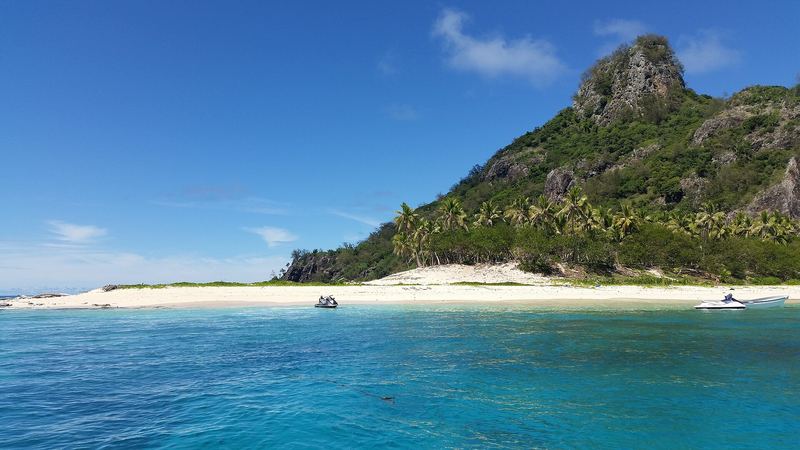
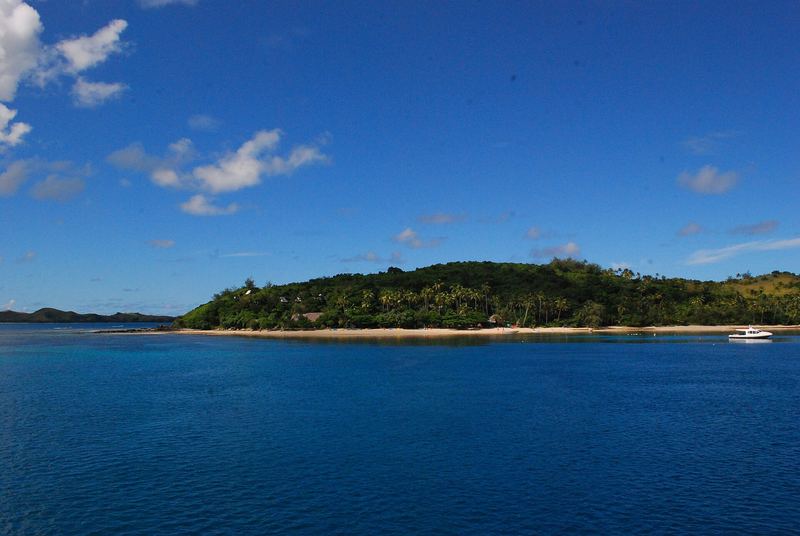
The Mamanucas are the postcard. Small islands ringed by white sand sit in calm, clear water, often with a sandbar appearing at low tide. Monuriki, the uninhabited island where Cast Away was filmed, is here. So is Cloud 9, a two-story floating bar anchored over the reef. Sunsets over the open Pacific are a nightly event.
The Yasawas have more relief. Peaks rise from roughly 800 to nearly 2,000 feet, so hikes reach grassy ridgelines with views over turquoise channels. Beaches tuck between headlands. Many bays have no buildings at all. The scenery looks wilder and older, more like a Fiji from another era.
If your picture of Fiji is a tiny island in a glassy lagoon, the Mamanucas match it exactly. If you want something with more drama and fewer people, the Yasawas deliver it. Both have excellent snorkeling within easy reach of the beach.
How Far From Nadi
Both start at Nadi International Airport (NAN), which has nonstop service from Los Angeles and San Francisco in about 10 to 11 hours. Overnight flights usually land early in the morning.
The Mamanucas are close. Drive 20 to 30 minutes to Port Denarau, then take a catamaran or private water taxi for anywhere from about 15 minutes to an hour, with Tokoriki at the far outer edge. Seaplanes take about 10 to 20 minutes and helicopters land on resort helipads.
The Yasawas take longer. Seaplanes are the fastest way in. Turtle Island is about 30 minutes away. The Yasawa Flyer catamaran from Port Denarau is affordable but can take several hours to reach the northern islands.
Seaplanes for both have weight limits and fly only in daylight, so pack soft bags. If your flight lands too late for a daylight connection, plan a night near the airport. The Mamanucas' short boat option makes them the more forgiving choice when schedules slip.
Sunshine and Seasons
Both follow Fiji's pattern, with the dry season from May to October and the warm, wet season from about November or December to April.
The Mamanucas have a weather advantage. Sitting in the lee of Viti Levu, they often stay sunnier than the rest of Fiji even in the wet months. Rates can be more forgiving then. June to September is busiest with Australian and New Zealand school holidays. April and November are good shoulder months.
The Yasawas are best in the dry season, with July usually driest. That is also manta season, when rays gather in the channels of the central islands from about May to October. In the wet season, highs approach 90°F, March is usually the wettest month and seaplane schedules can be disrupted.
Cyclones are possible in both from about December to March. If you travel then, buy travel insurance and build flexibility into your plans. For a dry-season trip, book the best resorts in either chain six to twelve months ahead.
Overwater Bures or a Private Island
The Mamanucas have the wider choice of romantic resorts. Likuliku Lagoon Resort on Malolo Island pioneered overwater bures in Fiji and remains kid-free, with about 45 bures, meals included and a marine sanctuary out front. Tokoriki Island Resort, also kid-free, has roughly 36 west-facing bures and villas, most with private plunge pools and a chapel popular for weddings. Vomo is a private-island retreat and Matamanoa is another kid-free option. Expect around $800 to $2,000 or more a night for two at the kid-free resorts (approximate). Many islands also cater to families, so check before booking.
The Yasawas have fewer options and one standout. Turtle Island, on the private island of Nanuya Levu, welcomes just 14 couples at a time to thatched bures across about 500 acres and a dozen beaches. Meals, drinks and most activities are included. Rates run well into four figures a night for two (approximate). Boutique resorts elsewhere usually cost a few hundred dollars a night, often with a compulsory meal plan.
Snorkeling, Caves and Mantas
In the Mamanucas, the water is so calm and clear that even nervous snorkelers find their confidence. Snorkel straight from your beach, or take a boat to the Malolo Barrier Reef for thick coral gardens and reef fish. Divers find good visibility and sites ranging from gentle reefs to swim-throughs. Ask your resort to drop you on a sandbar with a picnic, or sail to Monuriki and walk its empty beach.
The Yasawas have two headline experiences. The Sawa-i-Lau caves sit inside a limestone island, where you swim in a sunlit chamber. With a guide, the bolder swimmer can take a short breath-hold dive through an underwater passage into a darker inner cave, while the other stays happily in the first chamber. In season, snorkeling with manta rays near Drawaqa Island is worth planning a trip around.
The Mamanucas are better for easy, everyday snorkeling. The Yasawas have the bigger once-in-a-lifetime moments.
Village Life and Culture
Both offer a window into Fijian life, but the depth differs.
In the Mamanucas, resorts arrange village visits with a sevusevu, the formal presentation of kava, which is a meaningful introduction to Fijian culture. Resort life is more international. Some islands are busy with day-trippers from Denarau.
In the Yasawas, village life is still the center of things because tourism came late. A Sunday church service with soaring harmonies can be the most moving part of the trip. Evenings bring kava circles on the sand, guitar and storytelling, lovo feasts cooked underground on hot stones and stars far from any city lights. Bring cash in Fijian dollars for handicrafts and church collections.
In both, cover shoulders and knees with a sulu in villages and remove hats and sunglasses. At a kava ceremony, clap once before you accept the cup, drink it in one go, then clap three times.
Eating on the Islands
In both chains, most resorts sit on their own islands, so you eat where you stay. That makes choosing a resort with good food important.
In the Mamanucas, Likuliku includes meals in its rates, while Tokoriki adds a teppanyaki bar to its main restaurant. Cloud 9 makes a fun afternoon of pizza and cocktails over the reef.
In the Yasawas, meal plans are common and often required. The best resorts cook fresh reef fish, tropical fruit and produce from their own gardens. Turtle Island draws on a large organic garden and serves everything from communal dinners to private meals on a floating pontoon.
Look for kokoda in either, raw fish cured in citrus and finished with coconut cream and chili. Papaya, pineapple and mango are superb in season. Try a cold Fiji Bitter, a rum cocktail and kava at least once. Pack reef-safe sunscreen, a rash guard and repellent. Dengue occurs in Fiji, so if you're pregnant or hoping to be soon, check CDC travel health notices.
Doing Both Chains
The two pair beautifully. The contrast between remote and easy is the point.
A good ten to twelve-night plan: land in Nadi and take a morning boat or seaplane to the Mamanucas for four or five nights. That short first transfer is kind after the long flight. Then fly north by seaplane for five or more nights in the Yasawas, since getting there takes effort and Turtle Island has a multi-night minimum. Fly back to Nadi in daylight with a comfortable buffer, or spend your last night near the airport.
You can reverse the order if you want to end close to the airport. Either way, mention your honeymoon when you book. Fijian resorts are known for celebrating couples with flowers, songs and surprises.
With a week or less, pick one. The Mamanucas are the safer single stop.