The Flights Are Closer Than You Think
Both are easy by long-haul standards. Bora Bora starts with a nonstop from Los Angeles or San Francisco to Papeete (PPT) on Tahiti, about 8 to 9 hours. An Air Tahiti flight of about 50 minutes then lands you on Motu Mute, where your resort's boat waits. Tahiti shares Hawaii's time zone, which keeps jet lag mild.
Fiji Airways flies nonstop from Los Angeles and San Francisco to Nadi (NAN) in about 10 to 11 hours. Most flights leave late at night and arrive early in the morning, so many island resorts can be reached the same day by boat, seaplane or helicopter. Fiji sits across the International Date Line, so you lose a day going out and regain it coming home.
In practice the total journey is similar. Bora Bora has a shorter long-haul leg but needs a domestic connection. Fiji's Mamanuca resorts are the fastest to reach of either.
Lagoon Versus Archipelago
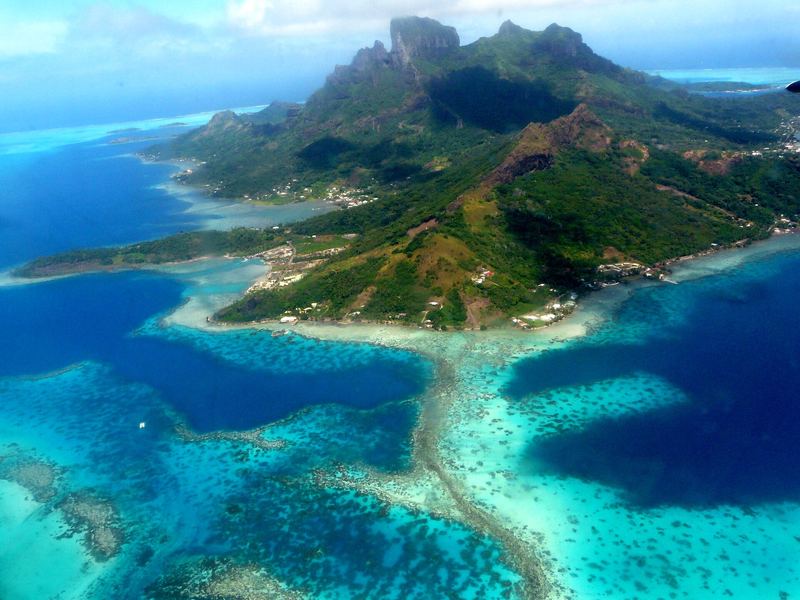
Bora Bora is one island, one lagoon and one view. The lagoon is protected by an outer reef and glows from pale aquamarine to deep sapphire, with blacktip reef sharks, stingrays and reef fish as everyday sights. Mount Otemanu rises about 727 meters from the center. You can see much of the island from your deck.
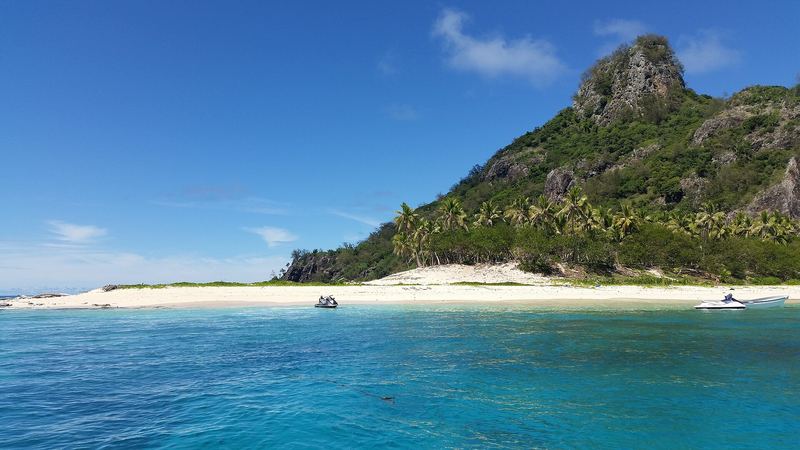
Fiji gives you regions to choose from. The Mamanuca Islands, just west of Nadi, are sunny and calm with easy snorkeling. The Yasawa Islands stretch north in a chain of volcanic peaks and empty beaches, with village life close at hand. Northern Fiji, around Taveuni, is lush and wild, with waterfalls and soft-coral diving on the Rainbow Reef.
That makes Fiji better for a two-stop honeymoon without extra long flights. Bora Bora, on the other hand, gives you a single place so beautiful that many couples never want to leave the motu.
Resorts and Overwater Rooms
If overwater is essential, Bora Bora wins easily. Four Seasons Resort Bora Bora has around 100 overwater bungalows, many with plunge pools and Otemanu views. The St. Regis Bora Bora Resort offers some of the largest overwater villas in the South Pacific and a kid-free pool. Conrad Bora Bora Nui wraps around a sheltered cove. The InterContinental Thalasso has been closed for renovation, so check its status.
Fiji has only a few overwater rooms. Likuliku Lagoon Resort in the Mamanucas introduced the country's first overwater bures and is kid-free. Fiji's strength lies elsewhere: Tokoriki Island Resort, kid-free with west-facing pool bures; Turtle Island in the Yasawas, hosting just 14 couples at a time; COMO Laucala Island in Northern Fiji, one of the most exclusive private-island resorts anywhere.
Bora Bora is about the room over the water. Fiji is about intimate resorts where the staff quickly learn your names.
Hospitality and Culture
Both give couples a warm welcome. The tone differs.
On Bora Bora, service at the top resorts is polished and attentive, with French flair in the food and wine. You may receive a tiare flower on arrival. Polynesian nights bring dance, drumming and a buffet of local dishes. Away from the resort, Vaitape has small restaurants and snack bars. Tipping is not customary but is appreciated for exceptional service.
Fiji is famous for its people. Customs officers, drivers and resort staff greet you with "Bula!" and mean it. Resorts celebrate newlyweds with flowers, songs and handwritten notes. On your last morning, staff often gather on the beach to sing "Isa Lei," the Fijian farewell song, as your boat pulls away. Village visits add depth. Cover shoulders and knees, bring kava root as a gift for the chief and clap once before you drink in a sevusevu ceremony.
If culture and connection matter most, Fiji has the edge.
What It Costs
Fiji usually costs less at a similar level of luxury. All figures are approximate.
On Bora Bora, overwater bungalows at the top resorts run from around $1,000 to several thousand dollars a night. Interisland flights and some boat transfers are extra. Dining is expensive because most goods are imported, so meal packages are common. Family-run pensions on the main island cost a few hundred dollars a night.
In Fiji, upscale boutique resorts run roughly $700 to $1,500 a night for two. Top kid-free and all-inclusive resorts are often $1,500 to several thousand dollars. Ultra-exclusive private islands like Laucala are several thousand dollars and up. Boats are the cheapest transfers, while seaplanes and helicopters can cost several hundred dollars per person each way.
Fiji's all-inclusive resorts make the total easier to predict. Bora Bora can be balanced by adding a few cheaper nights on Moorea.
Seasons, Storms and Comfort
Their weather is very similar. Both are warm all year, with a drier season from about May to October and a warmer, wetter season from November to April. Peak months on Bora Bora are June through August. In Fiji, June through September is busiest, when Australian and New Zealand families travel, so book popular resorts six to twelve months ahead.
Both sit in the South Pacific cyclone belt from November to April. Direct hits on Bora Bora are uncommon. Fiji sees roughly one cyclone a year on average. The western Fijian islands are generally drier than the east and north. April, May, October and early November work well in both.
Dengue occurs in both places, so pack repellent. If you're pregnant or hoping to be soon, check CDC travel health notices. Seaplanes and small planes in both have strict luggage limits, so pack soft bags and keep it light.
Building the Trip
For Bora Bora, plan at least five nights on the island. Many couples spend seven to ten nights in French Polynesia, starting with three on Moorea, then five on Bora Bora, with a night on Tahiti at either end if flights are late. For a splurge, add Tetiaroa.
For Fiji, aim for at least seven nights and ideally ten to twelve, split between two regions. A classic plan spends four or five nights in the Mamanucas at Likuliku or Tokoriki, then five or six at Turtle Island in the Yasawas or Laucala up north. You fly home from Nadi in the evening.
Combining the two is harder than it looks. There are few direct links between Tahiti and Fiji, so most combined trips route through another hub, which costs time. Pick one for the honeymoon and save the other for an anniversary.