Two Different Kinds of Island
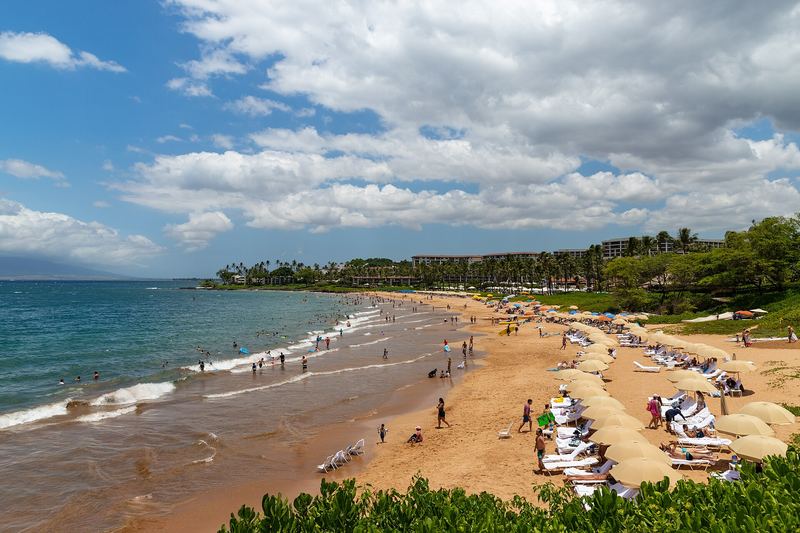
Maui is shaped around variety. The south shore around Wailea is dry, sunny and resort-polished. West Maui around Kapalua and Kāʻanapali is greener, with views across to Molokaʻi and Lānaʻi. Upcountry on Haleakalā's slopes has ranches, lavender farms and cool air. East Maui and Hana feel wild and remote. Most couples base themselves in one or two of those areas and treat the rest as day trips.
Tahiti is shaped like a figure eight. Tahiti Nui, the bigger loop, holds Papeete, the airport and most hotels. Tahiti Iti, the smaller peninsula beyond Taravao, is quieter, with roads that simply end at the cliffs and the famous Teahupo'o reef wave offshore. The island's beaches are mostly black volcanic sand. Its interior is steep and green, with valleys that cut deep into the mountains. It feels more lived-in than Maui's resort coasts, with a working capital and a strong French accent to daily life.
What You Will Do Together
Maui has three headline days. Sunrise from the Haleakalā summit, wrapped in blankets above a sea of clouds, needs an advance reservation through the National Park Service. The Road to Hana is a full day of curves, one-lane bridges, waterfalls and banana bread stands. A morning boat to Molokini Crater brings clear water and reef fish. Add a sunset sail off Wailea, a luau with hula and a whale-watching cruise from roughly December to April.
Tahiti's days are about culture and the interior. Start with the Papeete municipal market for flowers, fruit and pareos. Visit the Museum of Tahiti and the Islands for Polynesian navigation and tattoo traditions. A 4x4 tour into the Papenoo Valley crosses rivers to waterfalls and old marae. Drive the east coast past the Arahoho blowhole and the Faarumai waterfalls to Point Venus for a black sand sunset. On Tahiti Iti, a boat trip to watch surfers at Teahupo'o is a thrill for both of you, surfers or not.
Where You Will Stay
Maui's honeymoon hotels are some of the best in Hawaii. Hotel Wailea is the kid-free, 72-suite Relais & Châteaux retreat on a hillside above Wailea, famous for its private Treehouse dinner. Four Seasons Resort Maui at Wailea sits right on Wailea Beach with a kid-free infinity pool and restaurants including Spago. Montage Kapalua Bay trades rooms for residences, with homes on the bluff and a big spa. All three typically run well into four figures a night in winter, as an approximate guide.
Tahiti's hotels are mostly on the west coast near the airport and Papeete. The InterContinental Tahiti Resort and Spa has overwater bungalows looking toward Moorea. The Hilton Hotel Tahiti is handy for late flights. Tahiti Pearl Beach Resort sits on a black sand beach at Arue. For something quieter, Vanira Lodge on Tahiti Iti has wooden bungalows above the lagoon. Our Tahiti guide puts the larger hotels at roughly US$250–600 a night, with overwater bungalows higher.
Flights and Getting Around
Maui wins on ease. Kahului Airport (OGG) has nonstops from many West Coast cities in about five to six hours. Hawaii is a US state, so there is no passport check or customs, which helps if one of you is changing names after the wedding. Wailea is about 30 to 40 minutes from the airport and Kapalua about an hour. Rent a car and book it early, because Maui's fleet sells out in peak season.
Tahiti Faa'a International Airport (PPT) is about 8 hours from Los Angeles on Air Tahiti Nui or Air France. French bee flies from San Francisco. This is international travel, so bring your passport. Entry and visa rules depend on your citizenship and can change at short notice, so check the official government website before you book. Many flights home leave late at night, so book a day room or late checkout. From Papeete, Air Tahiti flies to the outer islands and ferries reach Moorea in about 30 to 45 minutes. A rental car is the easiest way to see Tahiti itself.
Weather and Seasons
Maui is warm all year, with coastal highs usually in the upper 70s to upper 80s. December to April is whale season and the busiest, priciest stretch. April to May and September to October are the sweet spots, with good weather and better rates. Summer brings families but calm water on the south shore. Winter swells make north-facing beaches dangerous, so heed lifeguards.
Tahiti's best months are roughly May to October, the dry season, when trade winds keep humidity down. July adds the Heiva i Tahiti festival of dance, music and sport in Papeete, so book early. November to April is hotter and wetter, rivers can rise quickly and valley tours may be canceled. Cyclones are rare in the Society Islands but possible, mostly from about January to March. In practice, a spring or fall wedding points toward Maui, while a summer wedding lines up well with Tahiti's dry season.
Food and Evenings
Maui eats well across the range. Poke, plate lunches and shave ice are the everyday pleasures. Paʻia does fish tacos on the way to Hana. Upcountry towns like Makawao and Kula have farm-to-table cafés and bakeries. For a big night out, the Wailea resort restaurants are some of the island's best. Look for local ʻahi, ono and opah. Plan on at least one sunset mai tai.
Tahiti's best dinner costs the least. The roulottes, or food trucks, on Place Vai'ete by the Papeete waterfront serve grilled fish, poisson cru, chow mein, crêpes and steak frites at relatively low prices. Poisson cru, raw tuna in lime and coconut milk, is the national dish and worth ordering often. Mornings mean fresh baguettes and pastries from French bakeries. If you are invited to an ahima'a, a traditional earth-oven feast, say yes. Shops close early and on Sundays. It is best to use taxis or drive at night rather than walk far in Papeete.
Can You Combine Them?
You can. Hawaiian Airlines flies between Honolulu and Papeete, so a two-week honeymoon can pair a week on Maui with a week in French Polynesia, connecting through Honolulu. It is a big trip with a lot of flying, but it gives you both halves of the Pacific: American resort comfort and volcano drives, then Polynesian culture and turquoise lagoons.
For most couples with ten days or fewer, choose one. If you go the French Polynesia route, follow the Tahiti plan our guide suggests: two or three nights on the main island, then the bulk of the trip on Bora Bora, Moorea or Taha'a. If you choose Maui, consider splitting your stay between Wailea and Kapalua, or adding a few nights on Lānaʻi. In both places, mosquitoes are part of life. Dengue occurs in French Polynesia, so use repellent and cover up at dusk. If you're pregnant or hoping to be soon, check CDC travel health notices.