Big Island Energy or Total Quiet
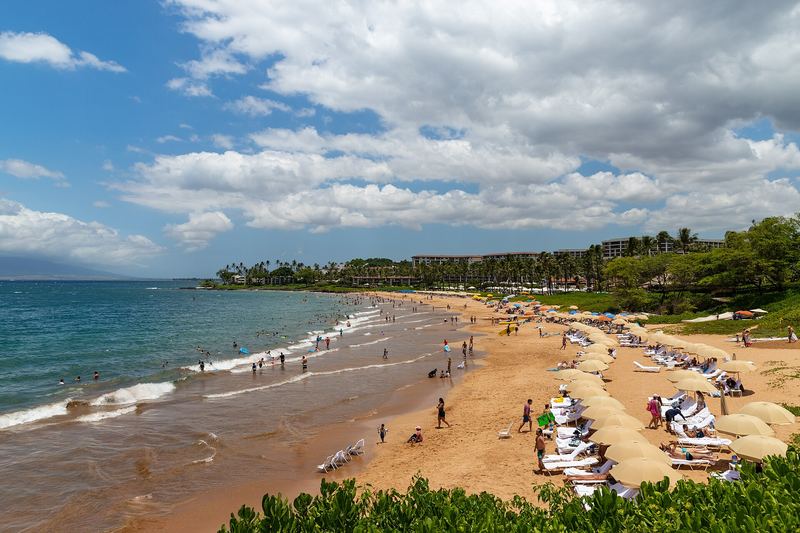
Maui's strength is range. The south shore around Wailea is sunny and resort-polished. West Maui, around Kapalua and Kāʻanapali, is greener and breezier, with views across to Molokaʻi and Lānaʻi. Upcountry on Haleakalā's slopes you find ranches, lavender farms and cool air, while East Maui and Hana feel wild and remote. Each corner feels distinct, yet distances are manageable.
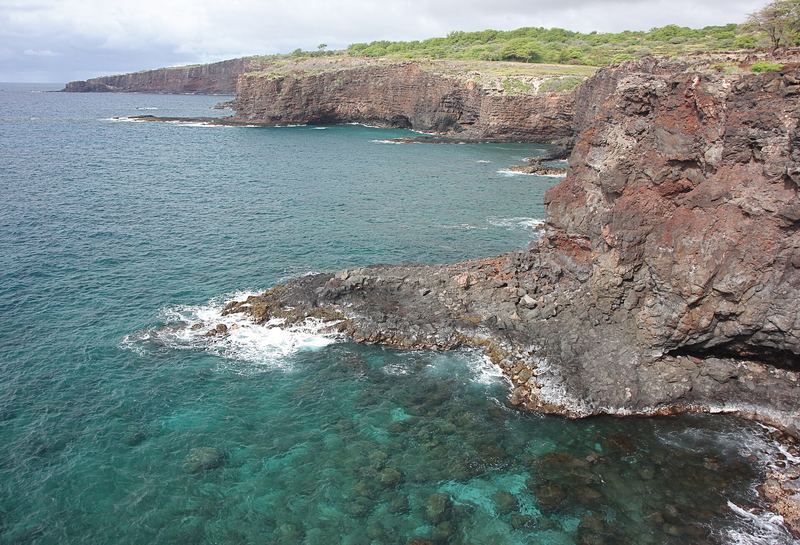
Lānaʻi is about stillness. Once a pineapple plantation, it is now mostly owned by Larry Ellison, whose investment reshaped its resorts. There are no high-rise strips, no cruise crowds and very little nightlife. The coast is warm and dry, made for snorkeling and sunset sails. The uplands around Lānaʻi City are cool and lined with tall pines.
Maui gives you a dozen moods across one island. Lānaʻi gives you two, coast and highlands, plus the feeling of having an island almost to yourselves.
Resorts Side by Side
Maui has the bigger choice. Hotel Wailea is a kid-free, 72-suite Relais & Châteaux retreat on a hillside above Wailea, famous for its private Treehouse dinner. Four Seasons Resort Maui at Wailea is the classic full-service resort on Wailea Beach, with a kid-free infinity pool, an open-air spa and restaurants including Spago and Ferraro's. Montage Kapalua Bay offers one- to four-bedroom residences on a bluff between two bays, with a large spa and the Cliff House for private dinners. Beyond these, Kāʻanapali has a lively beach walk and Upcountry has small inns.
Lānaʻi's luxury scene is two resorts. Four Seasons Resort Lanai sits above Hulopoʻe Bay with views of Puʻu Pehe, Sweetheart Rock, plus a kid-free pool, Nobu Lanai and the clifftop Mānele Golf Course. Sensei Lanai, A Four Seasons Resort, is its kid-free sister in the uplands, built around wellness, with private spa hale and onsen-style pools. A shuttle links the two, so splitting your stay is easy.
What You Will Do
Maui's big three are hard to beat. Watch sunrise from the Haleakalā summit above a sea of clouds, with a reservation required for sunrise entry. Spend a full day on the Road to Hana, with its one-lane bridges, waterfalls and banana bread stands. Take a morning boat to Molokini Crater for some of Hawaii's clearest snorkeling. Add a sunset sail, a luau, Upcountry farms and a hike among the cinder cones inside the crater. In whale season you can often see spouts from the beach.
Lānaʻi's list is shorter and slower. Snorkel the reef edges of Hulopoʻe Bay, a protected marine area, keeping a respectful distance from the dolphins that come in to rest. Walk the coastal path to the Puʻu Pehe overlook. Rent a Jeep or join a 4x4 tour to Keahiakawelo, the Garden of the Gods, at sunset. Another track runs down to Shipwreck Beach. Stargaze under some of Hawaii's darkest skies.
When to Book
Both islands share the same calendar. Coastal days sit in the upper 70s to upper 80s for most of the year. December to April is humpback whale season, with peak sightings typically January through March. It is also the busiest and most expensive time on both. April to May and September to October bring good weather, fewer people and better rates. Summer is warm, with calm water on the south shores.
Lānaʻi has an edge on sunshine. It sits in the rain shadow of Maui's mountains, so its coast is one of the driest places in Hawaii. The uplands around Sensei can be ten degrees cooler, especially at night, so pack a light sweater.
On Maui, winter swells make north-facing beaches dangerous, so check conditions and heed lifeguards. Because Lānaʻi has so few rooms, book early for holidays in any season. On Maui, reserve your rental car and Haleakalā sunrise slot as soon as your dates are set.
Flights, Ferries and Cars
Maui is easy to reach. Kahului Airport (OGG) has nonstop flights from many West Coast cities, about five to six hours. Wailea is 30 to 40 minutes from the airport, with Kapalua about an hour away. A rental car is close to essential if you want to explore. Fleets can sell out in peak season.
Lānaʻi has no nonstop flights from the mainland. Most couples fly to Honolulu (HNL) and connect to Lānaʻi Airport (LNY), sometimes on Lānaʻi Air, which Four Seasons has included with qualifying stays. Check whether your rate covers it. The resorts handle transfers. Their shuttles cover the basics. Rental Jeeps reach the backcountry, but many roads need four-wheel drive and can close after rain.
The Expeditions passenger ferry runs a few times a day between Māʻalaea Harbor on Maui and Mānele Harbor on Lānaʻi, about 75 minutes. Check the current schedule and book ahead, since the route has been changing operators.
Budget Reality
Lānaʻi is the more expensive island overall. Both resorts typically run well into four figures a night, dining is concentrated at resort restaurants and resort prices apply to most meals. Lānaʻi City has a small historic inn and a few vacation rentals, but supply is very limited. A few casual cafés and plate-lunch spots around Dole Park offer a break from resort menus.
Maui's top picks also run well into four figures a night in winter, but the island offers far more range below them. Kāʻanapali resorts, Upcountry inns and vacation rentals cover many budgets. You can eat poke, plate lunches and fish tacos in Paʻia for a fraction of resort prices.
All prices are approximate and rise sharply in whale season and over the holidays. A practical approach is to spend most nights on Maui at a mix of prices, then save the Lānaʻi splurge for two or three nights at the end.
Splitting a Week Between Them
With seven nights, try four or five on Maui and two or three on Lānaʻi. Start on Maui while you have energy for Haleakalā and the Road to Hana, then take the ferry across and let the trip wind down. On Lānaʻi, many couples begin at Sensei to decompress, then finish at the beach resort above Hulopoʻe Bay.
With ten nights, split Maui between Wailea and Kapalua, then add three nights on Lānaʻi. Fly home from Maui, or connect through Honolulu from Lānaʻi Airport.
As you travel, keep West Maui's recent history in mind. The community has been rebuilding since the 2023 Lahaina wildfire and welcomes respectful visitors. Follow local guidance on which areas are open, avoid sightseeing in affected neighborhoods and spend generously with local businesses. Pack reef-safe sunscreen for both islands, since Hawaii restricts some ingredients to protect coral.