Why Honeymoon on Taha'a
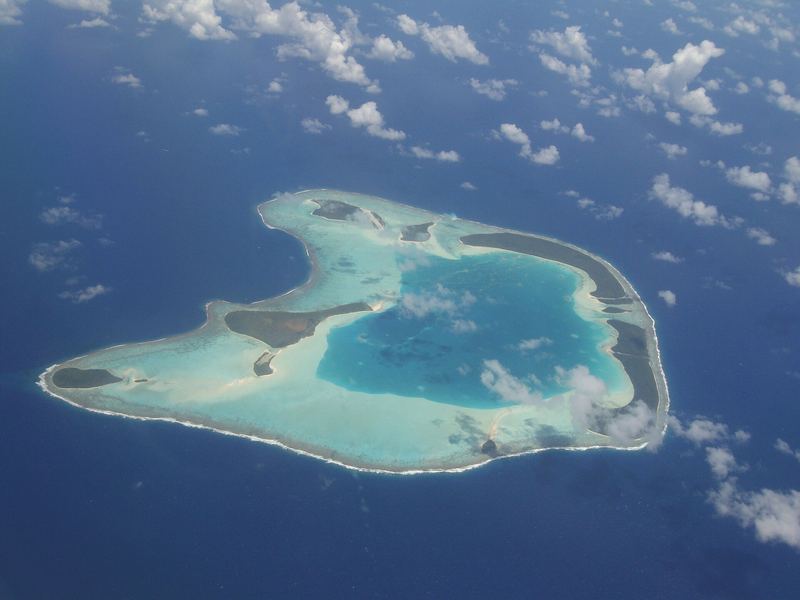
The appeal is privacy. Taha'a has only a handful of resorts, most on their own motus, so you share the lagoon with very few people. Days revolve around swimming, snorkeling and long lunches in the shade.
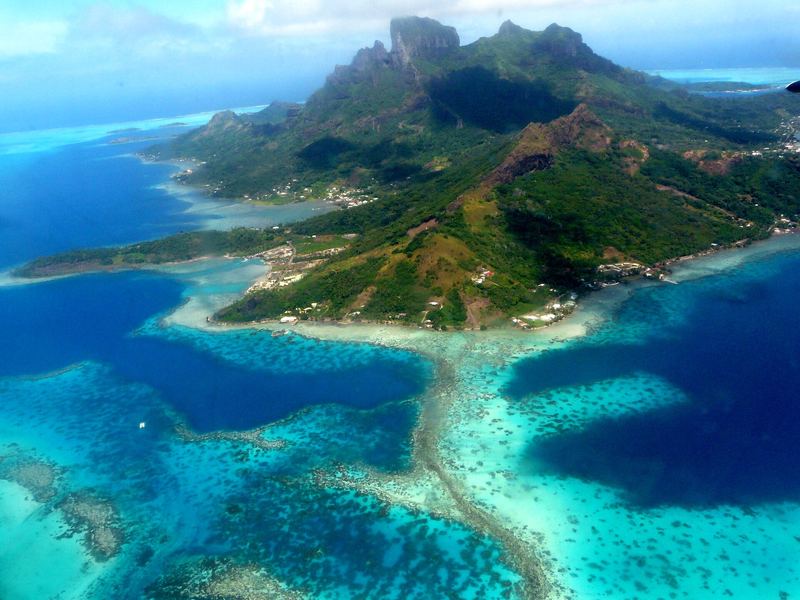
The views are a quiet bonus. From the western motus, Bora Bora sits on the horizon. At sunset its silhouette turns violet against a gold sky.
Taha'a also feels more authentic than its famous neighbor. You can tour vanilla farms run by families, visit pearl farms and drive past villages where life goes on as it always has. Church singing on Sunday morning is worth hearing if you are on the main island.
Prices are high, as anywhere in French Polynesia. Even so, couples often find better value here than on Bora Bora for a comparable overwater experience.
When to Go
The drier, cooler season runs from roughly May through October. Days are sunny, humidity drops and trade winds keep things comfortable. This is peak season. Resorts on Taha'a fill early because they have few rooms.
November through April is the warmer, wetter season. Expect high humidity and heavy tropical showers, sometimes for days at a time. December through March is the most likely period for cyclones in the region, though direct hits on the Society Islands are uncommon. Rates are lower and the lagoon is just as clear between storms.
Shoulder months such as April and November can be a good compromise.
Water temperatures stay warm year-round, usually in the high 70s to low 80s Fahrenheit, so snorkeling is pleasant in any month.
Where to Stay
Most couples stay on a motu along the reef rather than on the main island. The motus have the white sand, the snorkeling and the view of Bora Bora.
Le Taha'a Island Resort and Spa, on Motu Tautau, is the island's best-known luxury resort, with overwater and beach villas looking across the lagoon toward Bora Bora. The Coral Garden snorkel site is right beside it. A few smaller motu retreats have only a handful of bungalows; check that they are operating before you book.
On the main island, there are family-run guesthouses known as pensions, often with lagoon-view bungalows and home-cooked meals. They cost far less, often a couple of hundred dollars a night against roughly $700 to $1,500 for an overwater villa at Le Taha'a (approximate). They also give a more local experience, though you will need a boat to reach the best snorkeling.
Whichever you choose, ask about meal plans. Resorts on motus are isolated, so you will eat most meals there.
Romantic Things to Do
The Coral Garden near Motu Tautau is one of the best snorkel spots in French Polynesia. A gentle current carries you through a narrow channel between motus, over coral heads alive with fish. Walk back along the beach and float through again.
Book a lagoon tour that combines a pearl farm, a vanilla plantation, a snorkel stop and a picnic on a motu. Many tours include a demonstration of how to open a pearl oyster.
Rent a kayak or paddleboard and explore the shallow water around your motu at sunrise.
Raiatea, across the lagoon, holds Taputapuātea, a sacred marae complex listed as a UNESCO World Heritage Site. It is one of the most important cultural sites in Polynesia.
Raiatea is also the main base for yacht charters in French Polynesia. A few days of sailing around Taha'a is a classic honeymoon adventure.
Getting There and Around
Fly to Papeete (PPT) on Tahiti first. Nonstop flights run from Los Angeles on Air Tahiti Nui and Air France, from San Francisco on United and French bee and from Honolulu on Hawaiian Airlines. Schedules vary by season. The flight from California takes about eight hours.
From Papeete, Air Tahiti flies to Raiatea (RFP) in about 45 minutes. There is no airport on Taha'a. Resorts collect guests by boat from Raiatea's airport dock. Pensions can arrange transfers. There are also shuttle boats from Uturoa, Raiatea's main town.
On Taha'a itself, you mostly get around by boat. On the main island, a coastal road circles the island and rental cars or scooters are available in a few villages. Resorts on motus provide shuttle boats to the main island for tours.
Food and Drink
Vanilla flavors many dishes here, from fish in vanilla sauce to desserts and rum infusions. Try poisson cru, the national dish of raw fish marinated in lime and coconut milk, served with rice or breadfruit.
Resorts serve French-influenced menus with local fish such as mahi-mahi, tuna and parrotfish. Fresh baguettes arrive daily, a reminder of French influence.
Pensions often serve home-cooked Polynesian meals with grilled fish, taro, breadfruit and coconut. Some lodgings organize a traditional ahima'a, food slow-cooked in an underground oven, on special occasions.
Try local fruit juices made from pineapple, passion fruit or pamplemousse, a large sweet grapefruit. Hinano is the local beer.
Buy vanilla pods directly from the farms. They make light, fragrant souvenirs and cost far less than at home.
Honeymoon Tips
Mention your honeymoon when booking. Resorts in French Polynesia often arrange flower-strewn beds, a bottle of bubbly or a special dinner.
Pack reef shoes for walking on coral and rock. Bring reef-safe sunscreen and a rash guard, since the tropical sun is strong.
The local currency is the CFP franc (XPF). Resorts take cards, but carry some cash for pensions, small shops and tips on lagoon tours.
Weigh your luggage before inter-island flights. Air Tahiti has baggage allowances that can be stricter than on international flights, depending on your fare.
Build in time between connections. Domestic flights sometimes change schedules. Boat transfers depend on weather.
Consider combining Taha'a with Bora Bora or Moorea. The islands are close by air and each has a different character.