











Why Sri Lanka for a Honeymoon
Variety is the honest answer. Few places let a couple combine wildlife, history, mountains and beaches this easily in one itinerary without a single domestic flight. The Cultural Triangle in the dry north-central plains holds three UNESCO sites within a couple of hours of each other: Sigiriya, the Dambulla cave temples and the ruined royal city of Polonnaruwa. A few hours south, the hill country rises to tea estates where nights are cool enough for a fireplace.
Then there is the coast. Galle's Dutch-era fort town is one of the most walkable old quarters in Asia. The beaches east of it give you whale watching from December to April. The east coast is quieter and greener, with coral off Pigeon Island near Trincomalee.
Value matters too. Boutique villas and plantation bungalows that would cost a fortune in Bali or the Maldives often come in well below that here. Many couples also tack three or four nights in the Maldives onto the end, since Colombo to Malé is a flight of roughly 90 minutes.
Best Time to Visit
Think in coasts rather than seasons. The southwest monsoon brings rain to Colombo, Galle and the south coast from roughly May to September, with the heaviest spells early on. The northeast monsoon wets the east and north from about October to January. October and November can be unsettled almost everywhere, with squalls and the occasional cyclone.
- December to April: best for Galle, Mirissa, Tangalle and the hill country. This is peak season, so book good rooms months ahead.
- May to September: best for Trincomalee and the east coast. The Cultural Triangle is dry and the elephant gathering at Minneriya usually peaks around August and September.
- October and November: quietest and cheapest, with real rain risk.
The hill country gets afternoon showers year round. Kandy's Esala Perahera, a long nighttime procession of drummers, dancers and decorated elephants, takes place over about ten days in July or August. Hotels in Kandy fill up fast for it.
One recent caution: Cyclone Ditwah hit the island in late November 2025, causing deadly landslides in the Kandy, Nuwara Eliya and Badulla districts. Check that roads and rail are open on your route.
Where to Go
Most first trips trace a loop from Colombo through the middle of the island and back along the south coast. We cover five places in depth.
- Sigiriya: base for the Cultural Triangle, with the rock fortress, Pidurangala at dawn, Dambulla's painted caves and jeep safaris to see elephants.
- Ella: a small hill town on the railway, with tea estates, Little Adam's Peak, the Nine Arches Bridge and cool nights.
- Galle: the walled fort town on the southwest tip, full of colonial lanes, rampart sunsets and good restaurants.
- Mirissa: the south coast beach base for blue whale trips, with Weligama's surf and the quieter coves toward Tangalle nearby.
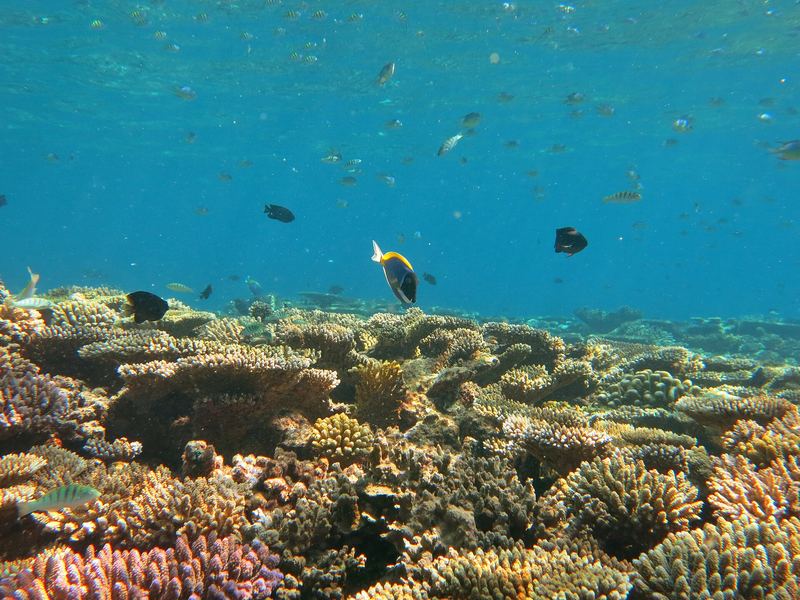
- Trincomalee: the east coast for summer travel, with the beaches of Uppuveli and Nilaveli plus snorkeling off Pigeon Island.
Kandy deserves a night for the Temple of the Tooth Relic. Nuwara Eliya and the Hatton tea estates suit couples who want a plantation bungalow. Yala and Udawalawe are the main national parks for leopards and elephants.
Sample 10-Day Itinerary
This route works best from January to April. Swap the beach days for Trincomalee if you travel in summer.
- Day 1: Land in Colombo, usually overnight. Sleep near the airport or in Negombo to recover.
- Days 2 and 3: Drive about four hours to Sigiriya. Climb the rock early, see Dambulla's caves and take an afternoon jeep safari to Minneriya or Kaudulla.
- Day 4: Drive to Kandy by way of a spice garden. Visit the Temple of the Tooth in the evening.
- Days 5 and 6: Take the train from Kandy into the hills, getting off at Nanu Oya for a tea estate night or riding on to Ella. Hike Little Adam's Peak at sunrise.
- Day 7: Descend through Ella Gap to the south coast, with an optional safari in Udawalawe or Yala.
- Days 8 and 9: Beach time near Mirissa or Tangalle, with a dawn whale trip.
- Day 10: Galle Fort, then the expressway back to the airport.
Budget and Costs
Sri Lanka covers a wide range, from guesthouses at the price of a US motel to villas that rival the Maldives. All figures here are approximate and swing with season and exchange rates.
- Midrange boutique hotels: very roughly $80 to $200 a night for two with breakfast.
- Luxury properties such as plantation bungalows and design hotels on the coast: often $350 to $900 or more a night, frequently with meals included.
- Car and driver: commonly quoted in the range of $60 to $100 a day including fuel, with the driver's lodging usually arranged by your hotels.
- Meals: a rice and curry lunch at a local spot costs a few dollars; dinner for two at a good restaurant in Galle Fort can run $40 to $80.
- Park and site fees: foreigners pay dollar-priced tickets at Sigiriya and the national parks, so budget around $30 to $50 per person for the big ones.
Hotels often add a 10 percent service charge plus taxes to the bill. Carry rupees for tuk-tuks, temple donations and tips.
Getting There and Around
All long-haul arrivals land at Bandaranaike International Airport (CMB), about 22 miles north of central Colombo. With no nonstop service from the US, the smoothest routings are on Qatar Airways through Doha, Emirates through Dubai, Etihad through Abu Dhabi, Turkish Airlines through Istanbul or Singapore Airlines through Singapore. Many flights arrive in the small hours, so book your first night ahead with an airport pickup.
On the ground, most honeymooners hire a car with a driver for the whole loop. Your driver handles the slow mountain roads, knows where to stop for king coconuts and keeps luggage safe during sightseeing. Expect averages of around 20 to 25 mph inland.
The train is the scenic exception. The Kandy to Ella stretch of the main line takes about seven hours and climbs past tea estates and waterfalls. Reserved observation and first class seats sell out early. The Southern Expressway makes Colombo to Galle about two hours by car. Tuk-tuks cover short hops; agree on a fare first or use a ride app in Colombo. Small domestic air taxis and seaplanes link a few regions, though schedules change, so confirm before planning around them.
Staying Safe
The State Department rates Sri Lanka Level 2, which means exercise increased caution. The advisory cites civil unrest and terrorism. Protests over the economy and politics can flare up quickly, mainly in Colombo. Police have used tear gas and water cannons to break them up. Steer clear of any demonstration, even a peaceful one. The 2019 Easter Sunday bombings targeted churches and hotels. The advisory still warns that attacks could come with little notice.
For most couples the everyday risks are more ordinary. Road traffic is the big one, with buses that overtake on blind bends, which is another argument for a professional driver. Ocean currents are strong on many southern and western beaches, especially during the monsoon months, so swim where locals do and respect red flags. Dengue is present year round; use repellent at dawn and dusk. If you're pregnant or hoping to be soon, check CDC travel health notices for Sri Lanka.
Touts and overcharging are common around train stations and big sights but rarely aggressive. Women may get stares or the odd comment, mostly on crowded buses and trains; modest clothes in towns and sitting together help. Enroll in the State Department's STEP program before you go.
Culture and Etiquette
Most Sri Lankans are Buddhist, with large Hindu, Muslim and Christian communities. Religion shapes daily etiquette. At temples, remove shoes and hats, cover shoulders and knees. Walk clockwise around stupas. Never pose for a photo with your back to a Buddha statue or touch one for a picture. Visible Buddha tattoos have led to tourists being turned away or deported, so cover them.
Public affection beyond holding hands draws stares outside resort areas. Save the beach kiss photo for your hotel's stretch of sand. Dress modestly in towns, even when the heat makes that annoying.
The side to side head wobble usually means yes or okay. Eat and pass things with your right hand. On poya days, the monthly full moon holidays, alcohol sales are banned and many bars close, so plan a celebratory dinner around the calendar.
Tipping is welcome. A driver-guide typically gets a daily tip at the end of the trip. Small notes for hotel staff and safari trackers go a long way.
Quick tips
- Hire a car with a driver for the inland leg; hill roads are slow and self-driving is rarely worth the stress.
- Carry a light scarf or sarong so you can cover shoulders and knees at temples without a detour.
- Book Kandy to Ella train seats as early as reservations open. Ask your hotel to confirm the line is running.