Beaches Compared
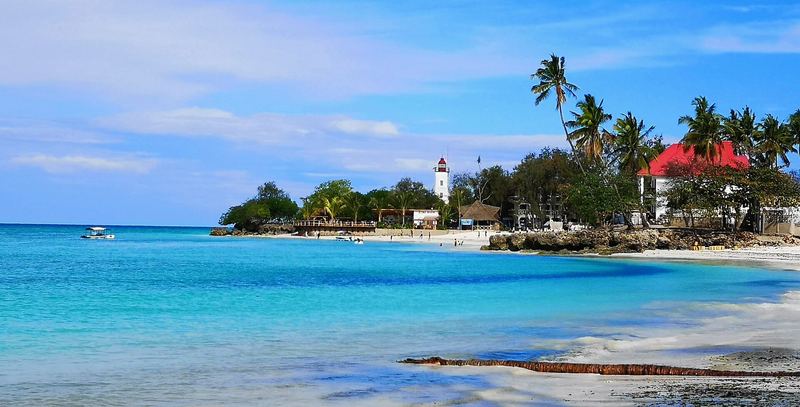
Zanzibar's beaches are white, soft and backed by palms, with water in shades of turquoise. The coast you choose matters. The north, around Nungwi and Kendwa, is less affected by tides and gets sunsets over the water. The east coast has long palm-lined beaches and a wide lagoon that drains dramatically at low tide, revealing seaweed farms and tidal pools. Check tide charts if you stay there.
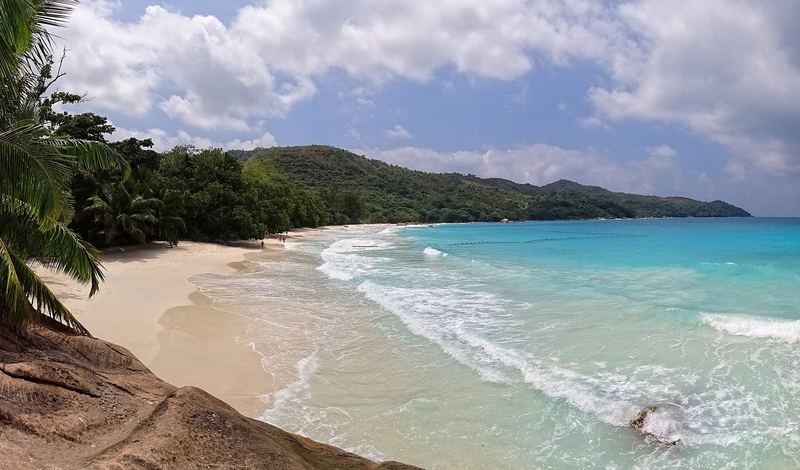
The Seychelles' beaches are the ones in the screensavers. Granite boulders in pink and gray frame the sand at Anse Source d'Argent on La Digue and Anse Lazio on Praslin, with jungle-covered hills behind. Because beaches face every direction, there is usually calm water somewhere.
One caution in the Seychelles: some showpiece beaches, such as Grand Anse on La Digue, are often unsafe for swimming from about May to September. Choose sheltered bays then.
Culture and Character
Zanzibar has far more going on beyond the beach. Stone Town's alleys lead past the Old Fort, carved wooden doors and the Forodhani waterfront, where a night food market fires up its grills after dark. Guides explain the island's complex history, including its role in the East African slave trade. Spice farms let you taste cloves, nutmeg and vanilla from the plant. Red colobus monkeys live in and around Jozani Forest.
The Seychelles' culture is a relaxed Creole blend of African, French, British, Indian and Chinese roots, best tasted in its food and music. Its highlights are natural rather than historic: the Vallée de Mai on Praslin, a UNESCO forest where the coco de mer palm grows, giant tortoises on Curieuse Island and car-light La Digue by bike.
Zanzibar keeps curious minds busy. The Seychelles keeps nature lovers busy.
Weather Windows
Zanzibar is warm year-round. The driest, most popular months are roughly June to October, which match peak safari season on the mainland and July tends to be the driest of all. December to February is hot, humid and generally sunny, pairing well with calving season in the southern Serengeti. The long rains fall from about March to May, when some resorts close, with shorter rains around November and December.
The Seychelles is also warm all year and sits outside the main cyclone belt. From about May to September the southeast trades bring drier, breezier weather and choppy seas on southeast-facing coasts. December to March is hotter and wetter. The calm transition months of April to May and October to November are favorites for snorkeling.
June to October favors Zanzibar. April, May, October and November favor the Seychelles.
Resorts and Private Islands
Zanzibar's star is &Beyond Mnemba Island, a barefoot private island off the northeast coast, ringed by protected reef, where only lodge guests may land. Couples stay in beachfront bandas a few steps from the water and snorkel with turtles. Elsewhere on Unguja, boutique beach hotels and larger resorts cover a wide range of prices, while Stone Town has small hotels in restored merchant houses.
The Seychelles is about villas with private pools and private islands. Raffles Seychelles on Praslin is a strong island-hopping base. North Island, with just 11 villas, is the archipelago's most famous retreat, while Six Senses Zil Pasyon sits on Félicité near La Digue. Denis Private Island has 23 cottages and no phone signal. Four Seasons covers both Mahé and remote Desroches. Hilton Seychelles Labriz is the only address on roadless Silhouette Island.
Price Check
All figures are approximate and vary by season.
Zanzibar is the more affordable island. Boutique beach hotels start at a few hundred dollars a night, while the private-island splurge at Mnemba costs considerably more and is typically all-inclusive. Dining out in Stone Town is cheap and excursions such as dhow cruises and spice tours are modest.
The Seychelles is a premium destination. Luxury resorts on Praslin and Mahé range from several hundred to well over a thousand dollars a night. Private islands start well into four figures and can reach several thousand, with helicopter transfers on top. You can trim costs with ferries instead of flights, Creole takeaways and a few nights at a mid-range hotel.
After a safari that may already cost $1,000 or more per person per night, Zanzibar's prices feel like a relief.
Getting There
Zanzibar's Abeid Amani Karume International Airport (ZNZ) has flights on Qatar Airways, Turkish Airlines, Ethiopian Airlines and Kenya Airways, so US couples connect easily through the Middle East or Europe. Light aircraft fly directly from many safari airstrips and Arusha, so bush to beach takes a single day. The drive to northern beaches takes an hour to an hour and a half.
The Seychelles has no nonstops from the US. Most couples connect through Dubai, Doha or Addis Ababa to Seychelles International (SEZ) on Mahé, with 20 or more hours of travel from the East Coast. From there, ferries or short flights reach Praslin and La Digue, while helicopters or small planes serve the private islands.
Both benefit from a stopover night in Doha or Dubai to break the long haul.
Can You Do Both?
Yes, though it takes planning. Flights between Zanzibar and the Seychelles are limited, so most routes connect through Nairobi, Addis Ababa or a Gulf hub. On a trip of two weeks or more, a safari in the Serengeti followed by a few nights on Zanzibar and then a week in the Seychelles is ambitious but possible.
For most couples, though, the better plan is to match the island to the trip. If a Tanzania safari is part of the honeymoon, Zanzibar is the natural ending, with no extra long flights. If the honeymoon is all about the beach, give the Seychelles eight to ten nights, split between Praslin, La Digue and a private island.
If you want safari and the Seychelles, Kenya or Tanzania via Nairobi or Addis Ababa is the usual link.