Island Character
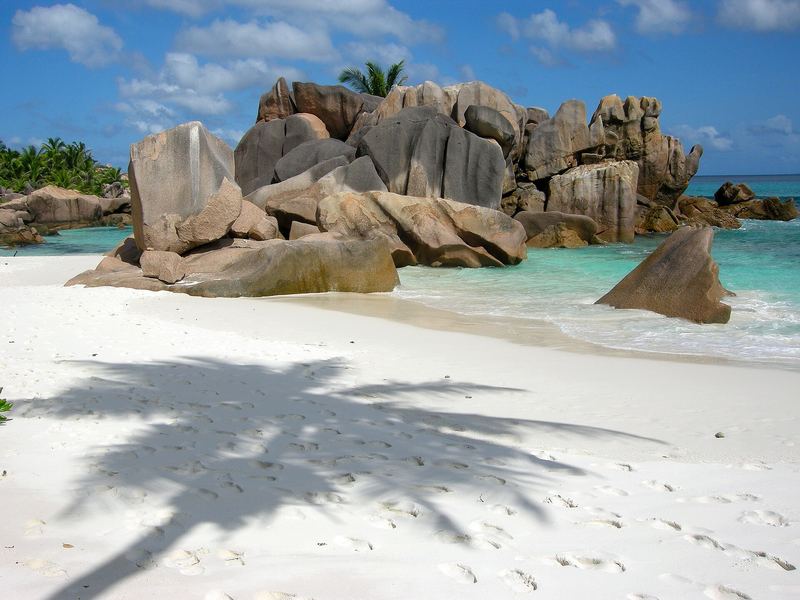
A Seychelles private island has terrain. Granite boulders, sometimes towering, frame the beaches. Forest climbs the hills behind the villas. Hiking trails lead to island summits with views over the inner islands. North Island has four beaches on about two square kilometers, including the aptly named Honeymoon Cove. Félicité's landscape is all granite drama, with La Digue a short boat ride away.
The Maldives is flatter and brighter. Islands rise barely above the sea, so the interest is in the lagoon and the reef. Villas are spacious and screened. Many have private pools. What you get instead of hills is creativity: undersea restaurants, movies on daybeds over the water, observatory telescopes and slides from your villa into the lagoon.
The Seychelles feels like staying on a wild island that happens to have a resort. The Maldives feels like staying in a resort that happens to be an island. Both are spectacular.
The Long Way There
Both take a long time from the US, typically 20 hours or more.
For the Seychelles, fly to Seychelles International Airport (SEZ) on Mahé, usually via Dubai, Doha or Addis Ababa. Helicopters then take you to the private islands: about 15 minutes to North Island and about 20 to Six Senses Zil Pasyon. Speedboats from Praslin or La Digue also reach Félicité.
For the Maldives, most couples connect through Doha, Dubai or Istanbul to Velana International Airport (MLE) near Malé, where resort staff meet you. Resorts near Malé are a speedboat ride away. Remote atolls mean a seaplane.
The constraints are the same in both. Helicopters and seaplanes fly in daylight only and have strict weight limits, so pack soft bags. Transfers are usually charged separately and can be a significant cost. Arrive with daylight to spare, or plan a night near the airport. Travel insurance with trip interruption cover is wise given the connections.
Winds, Rain and Calm Seas
The two follow similar Indian Ocean monsoon patterns, with different sweet spots.
In the Seychelles, May to September brings the southeast trades: drier, breezier weather and rougher seas in exposed spots. December to March brings the northwest monsoon, with heat, humidity and heavier showers. The calmest seas and best visibility usually come in April to May and October to November, ideal for snorkeling and smooth helicopter rides. Private islands book up early in those windows.
In the Maldives, December to April is the dry season, with sunshine, calm seas and the highest rates. May and October to November are shoulder months. June to September is wetter and windier but cheaper. It overlaps with manta season at Baa Atoll's Hanifaru Bay, roughly May to November.
April and November work well for both. For guaranteed sunshine, the Maldives from January to April is the safer bet.
Your Choice of Resort
The Maldives has dozens of top resorts, which is a huge advantage. Gili Lankanfushi and COMO Cocoa Island sit close to Malé. Soneva Fushi, Four Seasons Landaa Giraavaru and Anantara Kihavah are in Baa Atoll. Conrad Maldives Rangali Island has the undersea restaurant Ithaa. Soneva Jani has villas with water slides and retractable roofs. JOALI Maldives in Raa Atoll is art-filled and polished. Hurawalhi Island Resort is a kid-free option. Six Senses Laamu and Ayada Maldives cover the southern atolls.
The Seychelles private islands are a short list. North Island has 11 villas of roughly 450 square meters each, handcrafted from natural materials, with no set menus. Prince William and Catherine honeymooned here. Six Senses Zil Pasyon has about 30 villas with infinity pools and is more social and design-led. Frégate Island Private and Four Seasons Resort Seychelles at Desroches Island are the other big names.
The Maldives lets you match a resort to your taste and budget. The Seychelles asks you to choose among a few very special places.
Price Reality
Both are splurges. The Seychelles private islands usually cost more. All figures are approximate.
North Island is among the most expensive stays in the Indian Ocean, typically several thousand dollars a night for two. Six Senses Zil Pasyon costs less but still runs well into four figures in season. Helicopter transfers are charged on top and can be a significant sum. Ask for a detailed breakdown of what is included: meals, drinks, activities and transfers.
In the Maldives, ultra-luxury resorts frequently start well above $1,500 a night in high season, while some excellent resorts start nearer $900. Service charge, tax and a daily green tax can add a quarter or more. Seaplanes often cost several hundred to over a thousand dollars per person round trip. Half-board, full-board or all-inclusive plans usually save money, since there are no restaurants to walk to.
If the budget has limits, the Maldives offers far more options at each level.
Nature on Land and Underwater
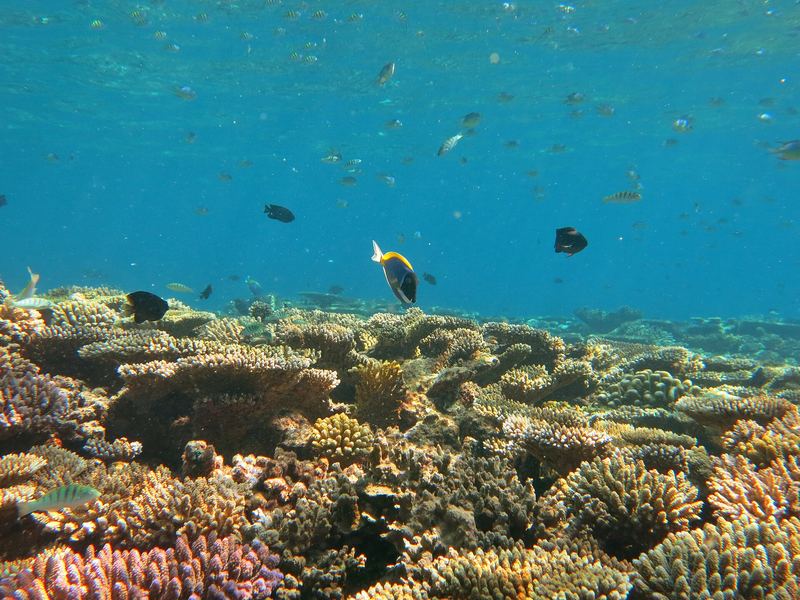
In the Maldives, the ocean is the main event. House reefs teem with turtles, reef sharks and rays. Baa Atoll, a UNESCO Biosphere Reserve, hosts manta gatherings at Hanifaru Bay. South Ari has whale sharks year-round. Snorkeling from your villa ladder can be the best part of the day.
The Seychelles private islands balance land and sea. Conservation is central, so you might join the team to monitor nesting hawksbill or green turtles in season, or help plant native trees. Giant tortoises wander near the paths. Dive or snorkel granite reefs and drop-offs with a private guide, looking for turtles, rays and reef fish. Ask about turtle seasons before you book, since the two species nest at different times.
For reef fish and big marine encounters, the Maldives wins. For wildlife on land and a sense that your stay funds restoration, the Seychelles islands stand apart.
Days Together
In the Seychelles, ask the boat team to drop you at a deserted beach with a picnic. Hike to the island summit for long views. Book a couples' spa ritual among the granite boulders at Zil Pasyon. On North Island, cycle sandy tracks, go fishing or simply claim a beach for the day. From Félicité, take a speedboat to La Digue and cycle to Anse Source d'Argent. A sunset helicopter flight over Mahé, Praslin and La Digue is a fine splurge.
In the Maldives, days settle into swims, snorkels, naps and long dinners. Book a sandbank dinner or a movie on the water. Take a whale shark trip in South Ari or a manta excursion in Baa. At some resorts you can stargaze through an observatory telescope or dine beneath the sea.
One honest warning applies to both: if you like to explore and eat out, a single island can feel small after four or five days.
Combining or Splitting
Combining the Seychelles and the Maldives in one trip is possible through Gulf hubs, but it adds a long day of flights and two sets of costly transfers. Most couples are better off splitting time within one country.
In the Seychelles, pair four or five nights on a private island with a few nights on Praslin or Mahé. That adds variety, restaurants and famous beaches and balances the budget. Félicité is especially easy to combine with La Digue and Praslin by boat.
In the Maldives, many couples split their stay between two resorts. Spend the first nights at a resort near Malé such as Gili Lankanfushi or COMO Cocoa Island to sleep off the jet lag, then take a morning seaplane to Baa for mantas, Ari for whale sharks or Noonu for stargazing. Aim for at least seven nights given the journey.
Either way, tell the resort it is your honeymoon so the team can prepare surprises.