Beach First or Nature First
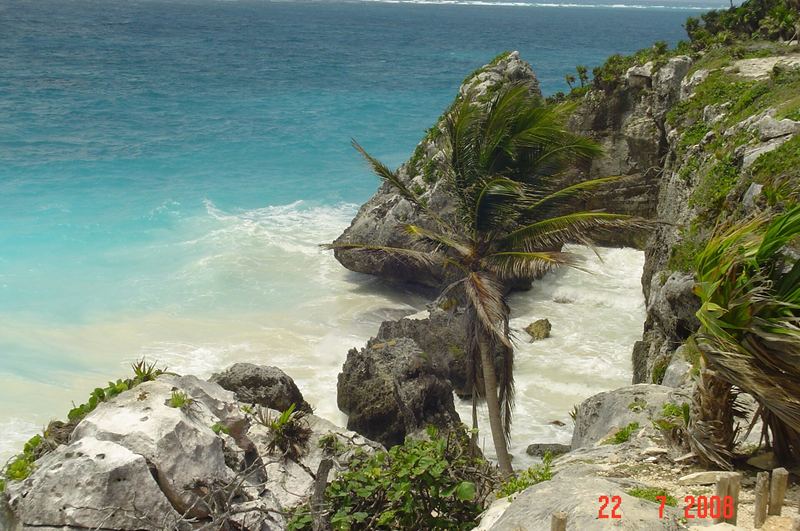
Mexico's honeymoons revolve around the sea. On the Caribbean coast, powdery white sand meets a barrier reef, with cenotes and Maya ruins inland. On the Pacific, Los Cabos pairs desert mountains with clifftop suites and Punta Mita offers green hills, golf, surf and sunsets. You can add adventure, from snorkeling with turtles to sunrise at the Tulum ruins, but the beach is the heart of the trip.
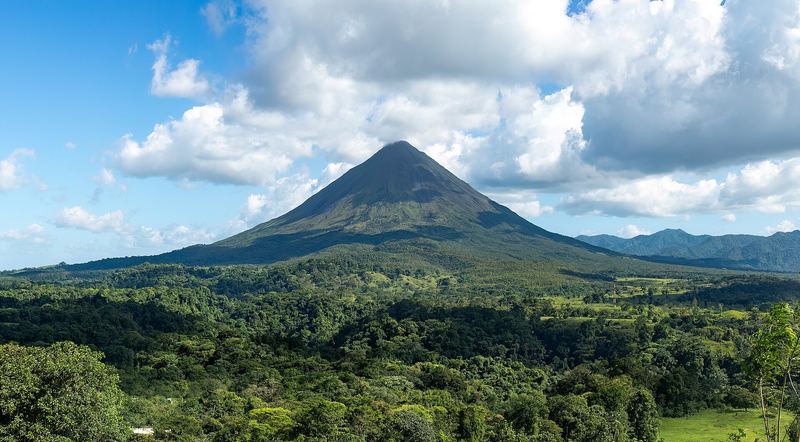
Costa Rica's honeymoons revolve around the forest. One day you are crossing a suspension bridge in the canopy looking for sloths; the next you are soaking in a hot spring as clouds peel back from Arenal Volcano; then you are on a golden Pacific beach in Guanacaste watching surfers catch the last waves. The country protects a large share of its land in national parks and reserves, so wildlife turns up almost everywhere. If you dream of turquoise water and a cocktail by the pool, Mexico fits. If you dream of waking to howler monkeys, Costa Rica does.
How the Trip Flows
A Mexico honeymoon can be one base for a week. Nonstops reach the beach destinations in roughly two to five hours, transfers are short and there is little reason to move. With ten days or more, many couples split between two places on the same coast, such as Mayakoba and Tulum. Crossing coasts needs a domestic flight, often via Mexico City.
Costa Rica works best in two or three stops. The classic plan is three or four nights at Arenal, then three or four in Guanacaste, with about three hours by road between them. Flying into San José (SJO) and out of Liberia (LIR), or the reverse, avoids backtracking. Some couples add Manuel Antonio or the Osa Peninsula. Roads are winding and transfers often cost a few hundred dollars each, so plan at least seven nights. If either of you dreads long drives after the wedding, Mexico is easier. If the journey itself sounds like part of the fun, Costa Rica rewards it.
Where You Will Stay
Mexico has a huge range of romantic resorts. In the Riviera Maya, El Dorado Maroma's overwater Palafitos and Hotel Xcaret Arte are kid-free and all-inclusive, while Rosewood Mayakoba and Banyan Tree Mayakoba offer pool villas on lagoons. Tulum has Azulik's handmade treehouse villas and Be Tulum's plunge-pool suites. On the Pacific, Esperanza and Las Ventanas al Paraíso in Los Cabos and the Four Seasons Resort Punta Mita and Imanta are some of the country's finest. Beyond the beach, Rosewood San Miguel de Allende and Escondido Oaxaca add culture.
Costa Rica's strength is eco-luxury. At Arenal, Nayara Tented Camp has stilted safari-style tents with hot-spring plunge pools, while the kid-free Nayara Springs hides villas in gardens. Four Seasons Resort Costa Rica at Peninsula Papagayo is the Forbes Five-Star beach choice. In Manuel Antonio, Arenas del Mar runs from canopy to beach and Sí Como No is the value pick. Lapa Rios Lodge on the Osa Peninsula is the country's most famous eco lodge.
Wildlife and Adventure
Costa Rica wins this one easily. Monkeys, sloths, toucans, scarlet macaws, sea turtles and countless frogs and butterflies are part of everyday life. At Arenal you can zip-line, walk hanging bridges, hike to La Fortuna Waterfall, go canyoning and take a night wildlife walk. In Guanacaste, ride horses, take a surf lesson in Tamarindo or soak in the volcanic mud pots of Rincón de la Vieja. These shared adventures become the stories you tell for years.
Mexico's nature is more water-based and very good. Snorkel the Mesoamerican Reef, swim with green turtles at Akumal and float through cenotes. Boat through the Sian Ka'an reserve near Tulum. In winter, watch humpbacks in Los Cabos or Banderas Bay and snorkel the Marietas Islands near Punta Mita. Mexico adds what Costa Rica can't match: Maya ruins at Tulum, Cobá and beyond. If you want variety in one day, Costa Rica stretches further. If you want marine life and history, Mexico delivers.
Food and Culture
Mexico's food is one of its biggest reasons to go. Its cuisine ranks among the world's great ones, from roadside taquerías to tasting menus. On the Caribbean coast, try cochinita pibil and sopa de lima. On the Pacific, Baja fish tacos and pescado zarandeado grilled over wood. Mexico's culture runs deep too, from cenotes the Maya held sacred to Día de Muertos around November 1 and 2.
Costa Rica's food is simpler and comforting: rice and beans, fresh fruit and fish, plus excellent coffee. Most couples eat well at their lodges, while restaurant bills usually include a service charge already. The culture shines in its warmth. Costa Ricans, who call themselves Ticos and Ticas, use pura vida as a greeting, a thank-you and a way of life. Respect for nature runs deep, so stay on marked trails and don't feed wildlife. Food lovers should pick Mexico. Couples who care more about a relaxed, friendly welcome will love either.
Seasons and Weather
Both share a December through April dry season, which is peak time with the highest rates. In Mexico, winter is the clearest time on the Caribbean coast before sargassum seaweed can arrive from late spring into summer, while the Pacific side has no sargassum and brings whales roughly December through April in Baja and December through March in Banderas Bay. Hurricane season runs June through November on both coasts, peaking August through October. November and May are lovely shoulder months.
Costa Rica's green season runs May through November. Mornings are often bright, with afternoon showers, lush landscapes and lower prices. September and October are usually the wettest months on the Pacific side. Rainforest regions such as Arenal see rain in every month, so pack a light rain jacket whenever you go. The sweet spots for honeymooners are late November, early December and May. Both work in winter. For a summer wedding, Mexico's Pacific coast or Costa Rica's green season can both be good-value choices.
Cost and Safety
Neither is a bargain at honeymoon level. In Mexico, kid-free all-inclusives often fall between the mid-hundreds and over $1,000 a night for two, with food and drinks included. Five-Star resorts in Los Cabos, Mayakoba and Punta Mita frequently start above $1,000 a night. In Costa Rica, luxury lodges and resorts run roughly $700 to well over $1,500 a night in high season and many exclude meals, while upscale boutique hotels run about $300 to $700. Add a few hundred dollars per private transfer and about $75 to $150 per person for tours. All figures are approximate. Mexico's all-inclusives usually make it the easier budget.
Mexico's travel advisories vary by state, so check the ones you will visit and use pre-booked transfers and hotel-called taxis. In Costa Rica, petty theft is common, so never leave bags in a parked car. Many Pacific beaches have strong rip currents with few lifeguards. Dengue circulates in both; if you're pregnant or hoping to be soon, check CDC travel health notices.