Desert Drama or Green Bay
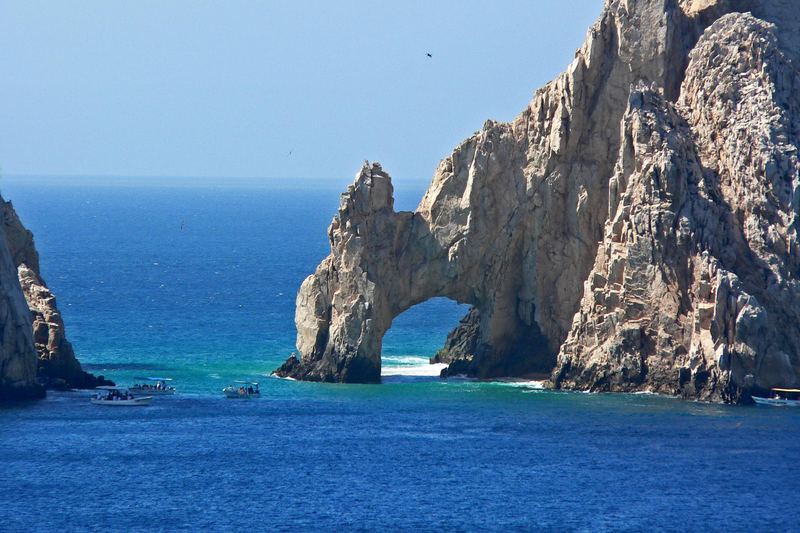
The scenery is the first and clearest difference. Los Cabos is desert meeting sea. The mountains glow at sunset, the water runs deep blue and the stone arch at Land's End marks where the Sea of Cortez meets the Pacific. It feels stark and cinematic, more Arizona-by-the-ocean than tropical.
Puerto Vallarta is the tropical version. Bahía de Banderas is one of the largest bays in Mexico and the hills behind the city are thick with jungle that turns vivid green in the rainy season. South of town the coast breaks into cliffs and small coves where hotels step down toward the water. Villages such as Yelapa have no road access at all.
Couples who love wide open space and bold landscapes tend to fall for Cabo. Couples who want palms, rivers and a place that feels lived-in lean toward Vallarta. Both deliver good sunsets, though Vallarta's drop straight into the bay from the Malecón.
Resort Stay or City Base
Los Cabos is the stronger pick if the hotel is the main event. The Corridor holds some of Mexico's most celebrated resorts. Esperanza, Auberge Collection, sits on the rocky headland of Punta Ballena with Beachfront Junior Suites that have infinity-edge hot tubs. Las Ventanas al Paraíso, A Rosewood Resort, near San José del Cabo, is known for 24-hour butlers and rooftop-terrace suites with private hot tubs. Many couples barely leave.
Puerto Vallarta's stays are smaller and more personal. The Zona Romántica has boutique hotels and rooftop pools within a short walk of dinner. Hacienda San Angel, a cluster of restored villas on the hill near the cathedral, is a classic romantic choice with views over red-tile roofs. Quieter cliff hotels line Conchas Chinas and the road toward Mismaloya. Larger resorts sit in the Hotel Zone and Marina Vallarta, including kid-free options.
The short version: Cabo is resort-first. Vallarta is neighborhood-first, with resorts as an option rather than the default.
Flights From the US
Both are easy. Los Cabos International Airport (SJD) has nonstops from many US cities, with flights as short as two hours from the West Coast. The airport sits near San José del Cabo, roughly 20 to 45 minutes from most Corridor resorts.
Puerto Vallarta International Airport (PVR) also has wide nonstop service, including Los Angeles, Dallas/Fort Worth, Houston, Phoenix and Chicago, with extra seasonal routes in winter. Flight times run about three hours from the West Coast and Texas. The airport is only 15 to 30 minutes from the Zona Romántica.
East Coast couples will find both roughly comparable, often with a connection. Routes shift by season, so compare what is running from your city before you decide.
One thing they share is the timeshare gauntlet in arrivals. Pre-arrange a transfer through your hotel, or head for the authorized taxi stand and simply keep walking past the sales desks.
When to Go
The best months line up closely. Los Cabos is most comfortable from November through May, with warm dry days and cool evenings. Puerto Vallarta's best window is November through April, with highs in the low to mid 80s Fahrenheit and May works as a quieter shoulder month.
Whale season is a shared highlight. Humpbacks visit both coasts from about December through March or April and small-boat trips in the morning offer the best viewing.
Summer is where they split. Los Cabos stays mostly dry through June and July before the heat and humidity peak in August through October, with September usually the rainiest month. Vallarta's rainy season starts earlier, from mid-June into October, bringing hot, sticky days and heavy evening storms. The hills turn gorgeous, but some boat trips and restaurants cut back.
Both sit within the Pacific hurricane zone in late summer and early fall. If you travel then, buy insurance and stay flexible.
Food, Nightlife and Evenings Out
Vallarta has the edge for couples who love to eat their way around a place. Street tacos are a ritual: fish and shrimp at lunch, al pastor at night. Pescado zarandeado, butterflied fish grilled over coals, is the dish to order at a beach restaurant. Raicilla, a smoky agave spirit from the Jalisco hills, is the local drink. A food tour on your first evening is a good way to learn the neighborhoods and dinner afterward is usually a walk away.
Los Cabos is more about destination dining. Baja-style fish tacos, aguachile and chocolate clams are the classics. Farm-to-table dinners among the crops near San José del Cabo are a highlight. Resort restaurants, such as Esperanza's cliffside Cocina del Mar, are among the most romantic tables in the country. On Thursday evenings in season, the San José del Cabo Art Walk fills the historic center with galleries and music.
Cabo San Lucas has a rowdier bar scene. If you go out there late, take a taxi back.
Cost and Value
Puerto Vallarta usually gives you more for less. Our Vallarta page puts good hotels at roughly US$150 to US$350 a night and boutique stays and dinners often cost noticeably less than similar options in Los Cabos. Taxis are inexpensive and much of what you will do, from Malecón walks to taco crawls, costs little.
Los Cabos is one of Mexico's priciest beach destinations, especially at the top end, where entry rooms at the Corridor's five-star resorts start around US$900 to US$1,000 a night and climb in winter. Taxis are plentiful but expensive, so many couples either stay put or rent a car for day trips. The trade-off is a level of polish, privacy and service that is hard to match elsewhere on the coast.
All prices here are approximate and swing widely with season. The Christmas and Easter weeks are the most expensive on both coasts, while late summer brings the lowest rates and the most weather risk.
Safety and Practical Notes
Both are heavily visited and most trips go smoothly, but the advisories differ, so read the fact table above and the State Department's Mexico page before booking. Puerto Vallarta is in Jalisco, which the State Department rates at reconsider travel, its third of four levels, largely because of cartel violence elsewhere in the state. It does not place extra limits on government staff visiting Puerto Vallarta itself. Stay in tourist areas and avoid driving between cities at night.
In Los Cabos the main hazard is the water. Many Corridor beaches have strong currents and heavy shore break, so swim only in protected bays like Santa María, Chileno or Medano and follow the flags. Vallarta's open beaches can have rip currents too.
On both coasts, bring comfortable shoes for cobblestones, layers for cool desert evenings in Cabo and repellent for Vallarta's rainy season. If you're pregnant or hoping to be soon, check CDC travel health notices.