Lagoon Island or Mountain Island
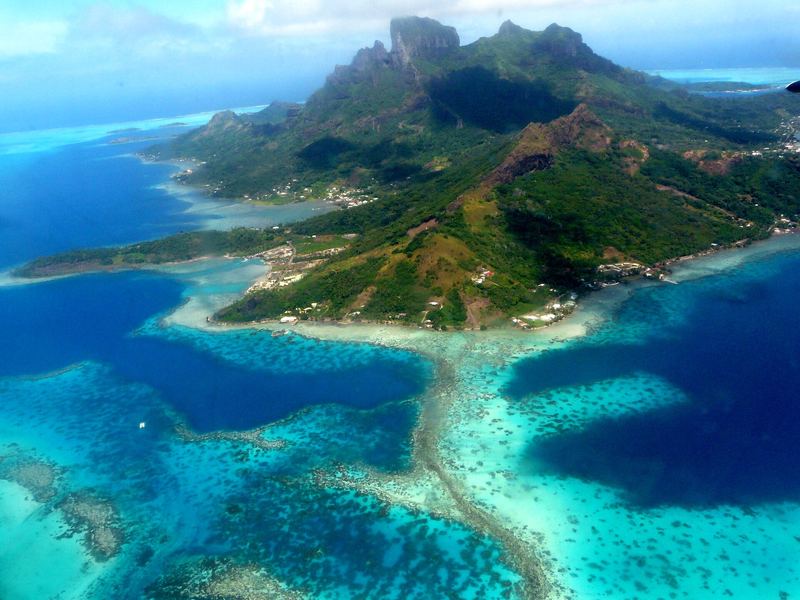
Bora Bora's appeal is the lagoon. Protected by an outer reef, it glows from pale aquamarine to deep sapphire, with calm, warm water ideal for swimming and snorkeling straight from your bungalow. Mount Otemanu, the jagged remnant of an ancient volcano, rises from the middle, wrapped in clouds or glowing pink at sunset. The whole island feels arranged around a view.
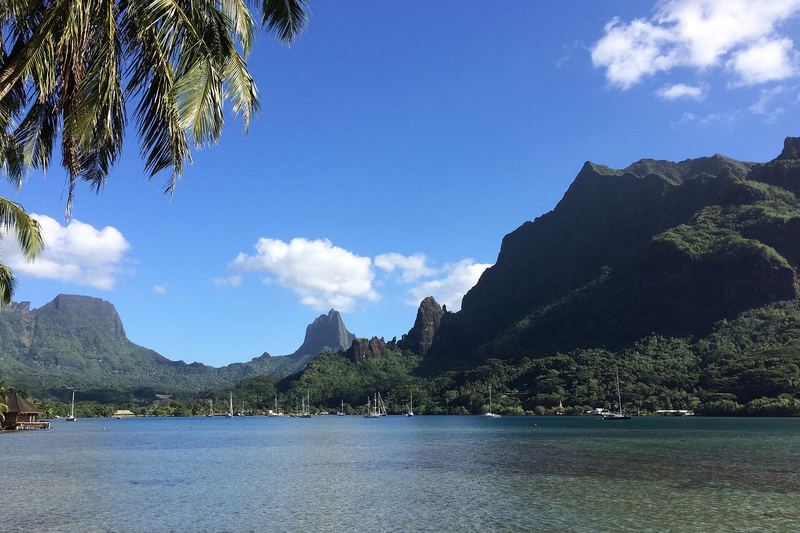
Moorea's strength is the land. Mount Rotui separates Cook's Bay and Opunohu Bay. The ridges behind them catch the light at dawn and dusk. Valleys are planted with pineapples. A reef rings the island, enclosing a lagoon where stingrays glide over sandbanks. The island feels more lived-in, with family restaurants, churches and roadside fruit stands alongside the resorts.
If you want to look at beauty from a deck, Bora Bora is hard to top. If you want to get out and walk into it, Moorea gives you more.
Where to Stay
Bora Bora has one of the world's highest concentrations of luxury overwater bungalows. Four Seasons Resort Bora Bora, on Motu Tehotu, is the benchmark, with plunge-pool bungalows and Otemanu views. The St. Regis Bora Bora Resort, on Motu Ome'e, has some of the largest overwater villas in the South Pacific, a private Lagoonarium and a kid-free pool. Conrad Bora Bora Nui wraps around a sheltered cove on hilly Motu To'opua. The InterContinental Thalasso has been closed for a full renovation, so check whether it has reopened. Smaller pensions on the main island suit tighter budgets.
Moorea has a broader mix. Our pick is the Hilton Moorea Lagoon Resort & Spa on the north coast between the two bays, with overwater bungalows above shallow water ideal for snorkeling. Its overwater crêperie, Toatea, has blacktip reef sharks gliding beneath the deck at sunset. The island also has other overwater resorts, boutique hotels, villas and family-run pensions.
Cost Difference
This is where Moorea shines. All figures are approximate.
On Bora Bora, overwater bungalows at the top resorts run from around $1,000 to several thousand dollars a night. Some resorts charge per person for boat transfers from the airport. Dining is expensive because nearly everything is imported, so breakfast or half-board packages make sense. Pensions on the main island often cost a few hundred dollars.
On Moorea, overwater bungalows often cost several hundred dollars to around $1,000 a night, noticeably less than on Bora Bora. Eating out is easier and cheaper too, with roulottes and snack bars serving generous plates at reasonable prices. A rental car opens up the whole island.
That difference is why so many couples split their stay. A few Moorea nights lower the average cost of the trip, so the Bora Bora splurge feels more manageable. Hotel loyalty points at Hilton and Marriott can also help on either island.
Getting There and Getting Around
Both start with a nonstop flight from Los Angeles or San Francisco to Papeete (PPT) on Tahiti, about 8 to 9 hours. Tahiti shares Hawaii's time zone.
Moorea is the easier hop. Ferries run several times daily from Papeete's harbor to Vai'are, a crossing of about 30 to 45 minutes. Short flights also land at Temae. You can arrive in French Polynesia and be over the lagoon by the afternoon. Once there, a single coastal road of about 60 kilometers circles the island, so a rental car, scooter or e-bike is the best way to explore.
Bora Bora needs an Air Tahiti flight of roughly 50 minutes from Papeete to the airport on Motu Mute. Your resort's boat meets you for a transfer of about 10 to 20 minutes. After that, most travel is by boat, with shuttles to Vaitape, the main village. On the main island, you can rent a car, scooter or bike for the coastal road.
Things to Do Together
Bora Bora's best days revolve around the water. Join a lagoon snorkel to swim with blacktip reef sharks and stingrays in shallow, sandy water, ideally with an operator that doesn't feed them. Picnic on a private motu. Book a sunset catamaran or a canoe breakfast delivered to your bungalow. On land, a 4x4 tour visits WWII cannons left by American forces. A helicopter flight shows the lagoon in a way photos never quite capture.
Moorea mixes land and sea. Drive up to the Belvedere lookout in the morning for clear views over both bays and Mount Rotui. Stop at the ancient marae in the Opunohu Valley and wander the pineapple fields. Hike to waterfalls or ridgelines with a guide. Taste fruit wines at the juice factory and distillery. Swim with rays on a sandbank, then kayak the reef at sunset.
Couples who like to stay busy usually rate Moorea's list higher.
Timing and Wildlife
Because they share the same climate, timing doesn't separate them. The drier season runs roughly May to October, with lower humidity, sunny skies and cooling trade winds. June through August is peak season on both, so book early. November to April is warmer and wetter, with short tropical bursts of rain and better rates. It overlaps the South Pacific cyclone season, though direct hits are uncommon. The shoulder months of April, May, October and November often balance weather and value.
Humpback whales pass through from roughly July to October. Moorea is the better base for whale watching, with tours that can bring you close to mothers and calves. Choose an operator that follows local guidelines.
Pack reef-safe sunscreen, a rash guard and water shoes for both. Bring insect repellent too. Dengue circulates in French Polynesia, so if you're pregnant or hoping to be soon, check CDC travel health notices.
How to Split Your Time
For most honeymooners, the question isn't which island but in what order. We suggest Moorea first and Bora Bora second.
Arrive on Tahiti and take the ferry to Moorea. Spend three or four nights there recovering from the flight, renting a car for a day, hiking and swimming with rays. Then fly to Bora Bora for five nights of lagoon life, a canoe breakfast and a sunset cruise. Spend your last night on Tahiti if your flight home leaves late.
That gives you eight to ten nights and the best of both. With extra money, swap a few Bora Bora nights for The Brando on Tetiaroa, a 20-minute flight from Tahiti. With extra time, add Taha'a or Rangiroa. Allow buffer time between ferries, interisland flights and your international departure, since weather can occasionally delay small planes.